
 EN
EN
Why is precision so critical in pharmaceutical printing?
How can high-end pharmaceutical packaging providers ensure consistent quality at scale?
The transition from a client’s raw design file to a finished, physical product is a complex journey fraught with potential pitfalls. By integrating advanced digital tools and automated checkpoints, manufacturers can eliminate human error and ensure that every item leaving the facility is 100% compliant with the original specifications. This article explores how a modernized workflow reduces production mistakes and enhances the reliability of pharmaceutical packaging.
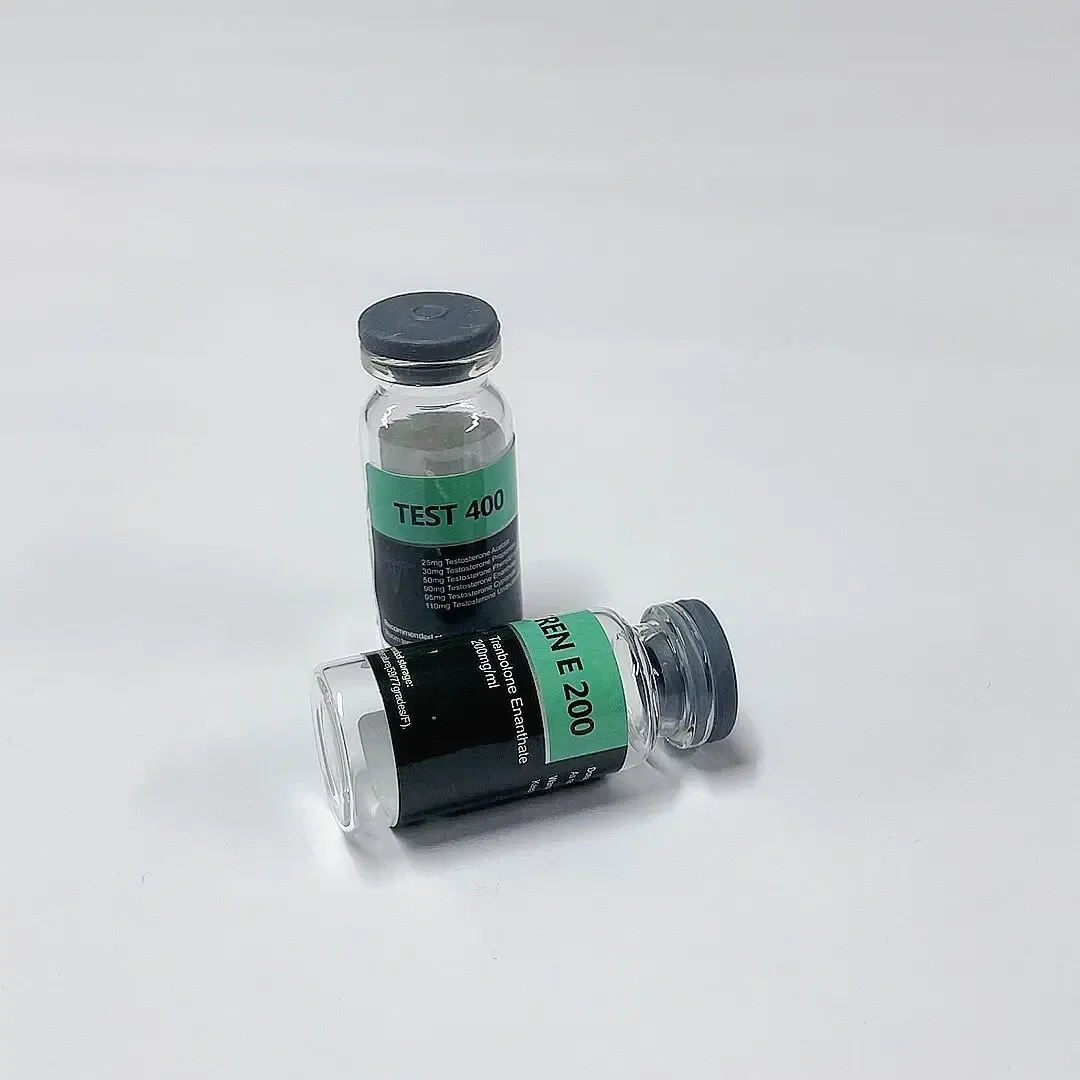
1. Digital Proofing Systems: The Virtual Safety Net
The earliest stage of production—prepress—is where most errors originate. A "Streamlined Workflow" begins with a rigorous digital proofing environment that allows for comprehensive verification before a single drop of ink touches the substrate.
High-Fidelity Soft Proofing and Color Accuracy
Gone are the days when clients had to rely on low-resolution PDF previews. Modern digital proofing uses high-fidelity "Soft Proofs" that simulate the final product with extreme accuracy.
Pantone and CMYK Matching: For brands managing sensitive products like peptides or steroids, color consistency is a security feature. Digital proofing systems calibrated to global standards ensure that the specific "Medical Blue" on a 10ml vial box remains consistent across every batch.
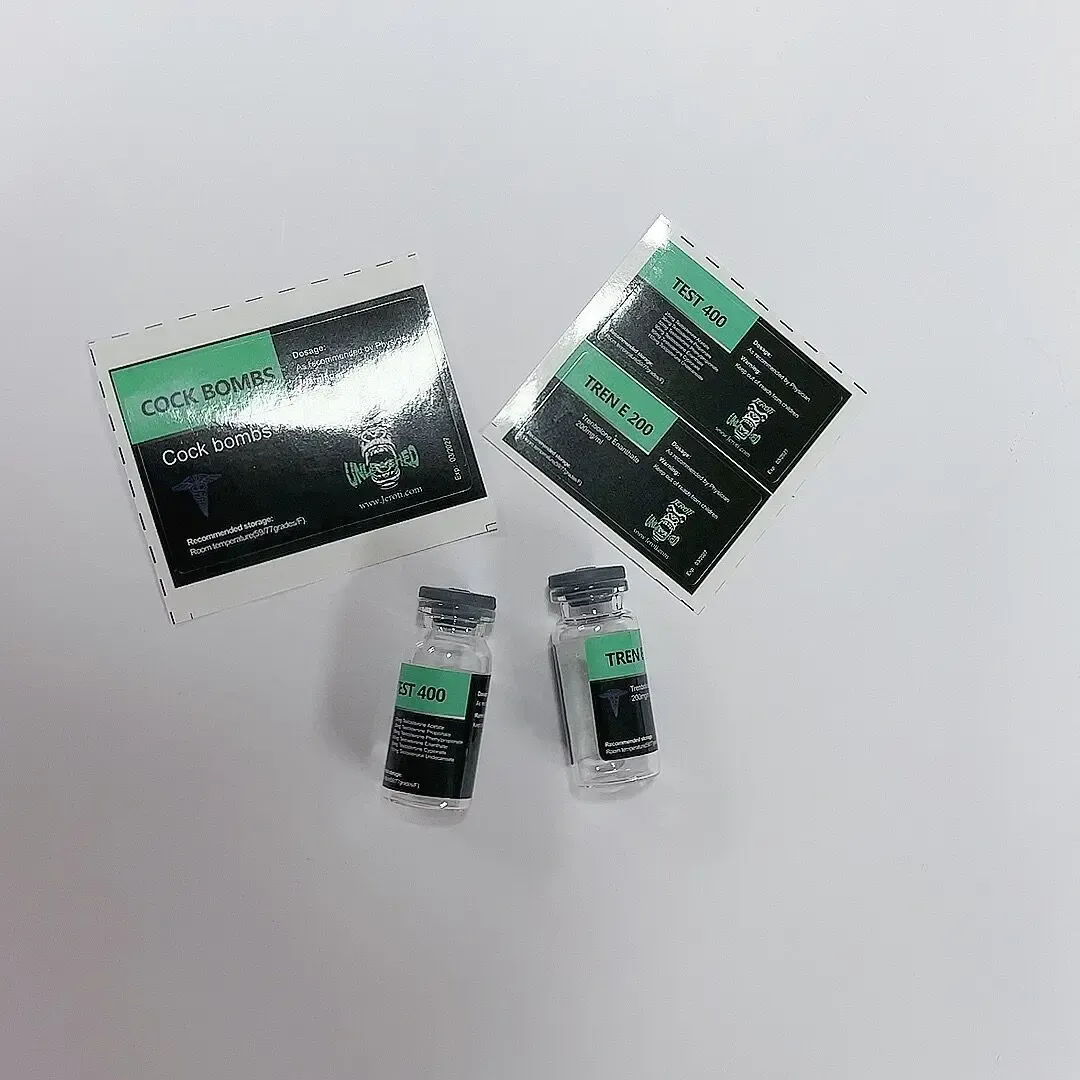
Finish Simulation: Advanced software can now simulate specialty finishes, such as holographic effects or matte lamination. This allows the client to see how light will interact with their anti-counterfeit stickers in a virtual 3D space, preventing aesthetic or functional surprises during mass production.
Automated Preflight Inspection
Before a file is sent to the plates, it must pass through an automated "Preflight" check. This system scans the digital file for technical inconsistencies that the human eye might miss.
Resolution and Bleed Verification: The system automatically flags any images below 300 DPI or any text that is too close to the die-cut line of a small paper box.
Barcode Scannability Testing: One of the most critical checks involves the barcode. The digital proofing system performs a virtual scan of the QR codes or GS1 barcodes on the vial labels to ensure they are properly encoded and will be readable by pharmacy scanners.
Collaborative Cloud-Based Approval Portals
Mistakes often occur during the feedback loop between the client and the manufacturer. By using a centralized, cloud-based approval portal, every change is tracked.
Real-Time Annotations: Instead of confusing email chains, clients can pin comments directly onto specific areas of the vial label design.
Digital Sign-offs: The workflow requires an official digital signature on the final proof. This creates a "Source of Truth" that the production team uses as their master reference, ensuring that no outdated versions of a multi-SKU project accidentally reach the press.
2. Quality Checkpoints: Rigorous Validation at Every Stage
A streamlined workflow is not just about speed; it is about building "quality gates" that catch errors early. In the production of sterile vials, caps, and boxes, these checkpoints are integrated into the physical manufacturing line.
In-Line Optical Inspection Systems
Human fatigue is the enemy of quality control. When inspecting thousands of self-adhesive vial labels, the human eye can fail.
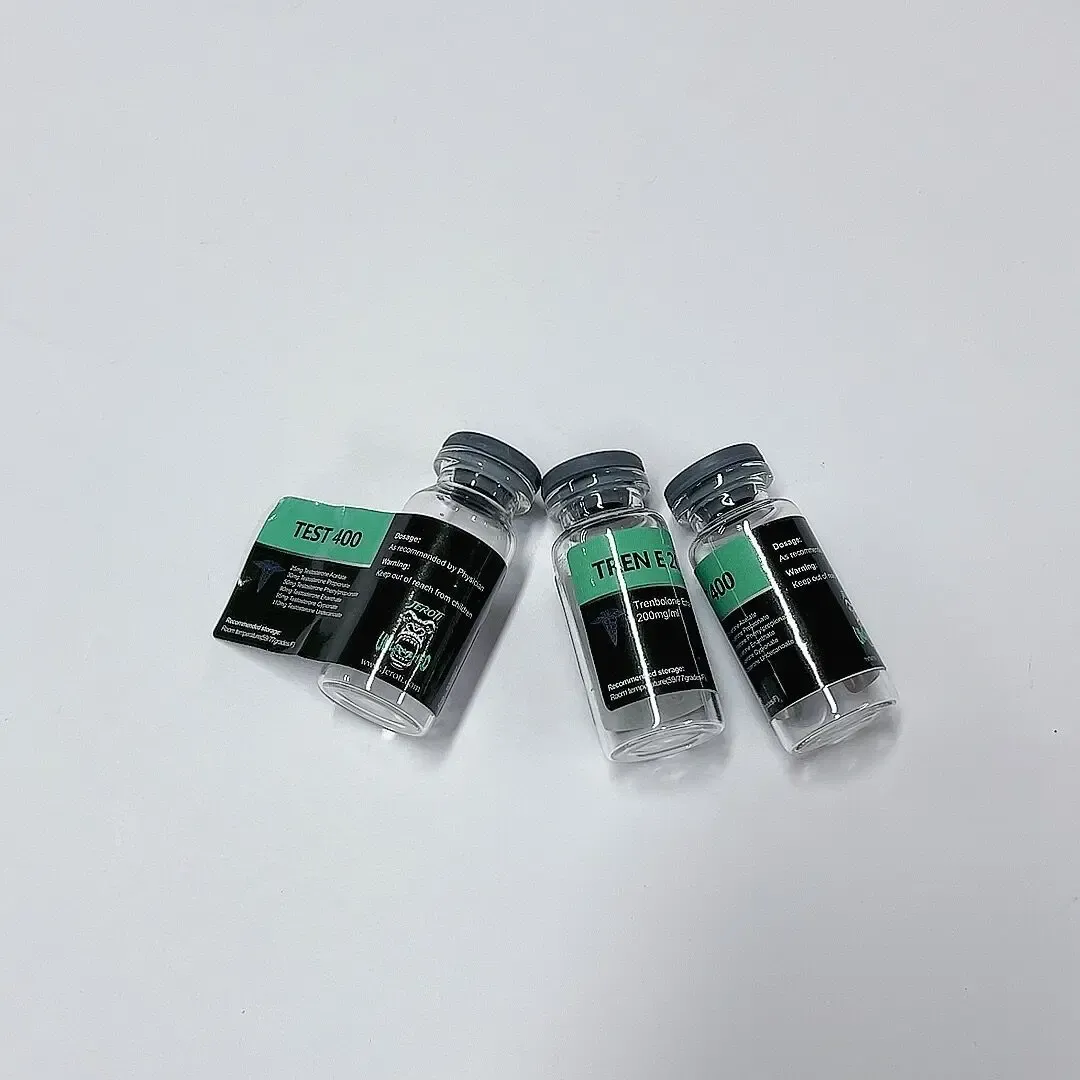
High-Speed Camera Monitoring: Automated cameras are mounted directly on the printing press and the labeling machines. These cameras compare every single printed label against the approved digital proof in real-time.
Instant Rejection Mechanisms: If a label has a tiny ink spot, a blurred character, or a shifted die-cut, the system flags it instantly. The faulty unit is automatically ejected from the line, ensuring that only perfect vial stickers are wound onto the final reel.
Material and Substrate Verification
Pharmaceutical packaging must survive harsh conditions, including refrigeration and moisture. Quality checkpoints extend to the raw materials themselves.
Adhesion and Durability Tests: For waterproof vial labels, samples from every batch undergo a "peel test" and moisture exposure test. This ensures that the label won't fall off a 10ml glass vial when it is moved from a cold-chain freezer to a room-temperature clinical environment.
Paperboard Integrity Checks: For custom medical cartons, we verify the "Caliper" (thickness) and fold-endurance of the paper. This prevents boxes from tearing or collapsing when they are loaded with vials on a high-speed automated filling line.
Post-Production Batch Auditing
Even after the machines have finished, a final audit is performed.
AQL (Acceptable Quality Level) Sampling: Using statistical models, quality control officers pull samples from the finished packaging trays and boxes. They perform a final "look and feel" check, ensuring the matte or glossy finishes meet the client's brand standards.
Reconciliation Protocols: At the end of a run, the number of raw sheets fed into the machine must match the number of finished products plus the number of rejected units. This "reconciliation" ensures that no "stray" labels—which could lead to product mix-ups—remain in the machinery.
3. Workflow Automation Concepts: The Future of Error Reduction
The ultimate goal of a streamlined workflow is to move toward "Lights-Out Manufacturing," where automation handles the repetitive, error-prone tasks, allowing human experts to focus on complex problem-solving.
JDF (Job Definition Format) Integration
Automation begins with the "Digital Job Jacket." By using JDF, the instructions for a specific 10ml vial box are transmitted directly from the administrative office to the machine.
Automated Machine Setup: The JDF file tells the die-cutter exactly where to cut and the printer exactly which ink profile to use. This eliminates the "manual entry" errors that occur when a machine operator has to type in coordinates or color settings.
Consistency Across Runs: Because the settings are saved digitally, a re-order of peptide labels six months from now will use the exact same mechanical settings as the original run, ensuring perfect consistency.
Automated Batch Serialization
In the pharmaceutical world, traceability is mandatory. Automation concepts allow for the seamless integration of variable data.
Sequential Numbering on the Fly: Digital printing allows for the application of unique serial numbers and batch codes to every holographic sticker without slowing down the press.
Database Synchronization: As the labels are printed, the serial numbers are automatically uploaded to a secure database. This ensures that the manufacturer and the client have a perfect digital record of every sterile vial produced.
Smart Inventory and Logistics Automation
A streamlined workflow extends to how the finished products are packed and shipped.
Automated Packing Slips and Labeling: Once the custom paper boxes are packed, the system automatically generates shipping labels that match the batch data. This ensures that the right products reach the right destination, preventing the logistical mistake of sending Product A to the distributor meant for Product B.
Conclusion: Efficiency as a Guarantee of Quality
Reducing production mistakes is not achieved through a single piece of technology, but through a holistic, streamlined workflow. From the initial digital proofing that catches design flaws to the automated checkpoints that monitor the printing press, and finally to the workflow automation that ensures consistency across global markets—every step is designed to protect the integrity of the medication.
In the production of vial labels, medical boxes, and pharmaceutical packaging, efficiency and quality are two sides of the same coin. By minimizing human intervention in the data-transfer process and maximizing the use of digital "Electronic Eyes," manufacturers can provide their clients with a guarantee: that the package delivered is as precise and reliable as the medicine it contains.
Want to learn about the future of smart, sustainable, and user-friendly packaging? Check out our latest article for the full scoop!