
 EN
EN
In the pharmaceutical industry, the true measure of a package's success is not just its ability to survive a complex global supply chain or its aesthetic appeal on a shelf. The ultimate test occurs in the hands of the patient. For many individuals—particularly the elderly, those with chronic conditions, or those with limited mobility—the physical act of accessing and understanding their medication can be a significant barrier to recovery.
Modern pharmaceutical packaging has evolved into a vital "medical auxiliary tool." Through thoughtful engineering of vial boxes, medical labels, and integrated tray systems, packaging design can significantly enhance drug safety, accessibility, and ultimate clinical outcomes.
1. Easy-Open Solutions: Balancing Security with Accessibility
The "Senior-Friendly" vs. "Child-Resistant" paradox is one of the greatest challenges in pharma packaging. The goal is to create a barrier that keeps curious children out while remaining effortless for an adult with arthritis or weakened grip strength to open.
1.1 Structural Engineering of Paper Boxes
Standard pharmaceutical boxes often fail because they require precise pinching or high-pressure tearing, which is extremely unfriendly to patients with finger stiffness.
Perforated Tear-Strips: By integrating micro-perforations into the box lid, patients can achieve a smooth, controlled opening with minimal force, eliminating the need to pry it open with scissors or fingernails.
Thumb-Notch Access: Adding a simple semi-circular die-cut at the top of a vial box provides a natural visual and tactile cue for visually impaired patients, guiding them to open the package accurately.
Seal Strength and Operational Consistency
For medications stored in vials, the secondary packaging must protect the glass, while the primary seal—the flip-off cap—must maintain consistent opening force. Through precision manufacturing, ensuring the force required to pop the cap remains within a standardized, accessible range prevents needle-stick injuries or accidental spills during operation.
Material Selection for Improved Grip
Texture plays a crucial role in accessible operation. Glossy coatings can cause the package to slip. Utilizing matte lamination or soft-touch finishes increases the coefficient of friction, providing a "non-slip" surface. This makes the packaging easier to hold and manipulate steadily, even if the patient has hand tremors or moisture on their skin.
2. Readability and Usability: Clarity Under Stress
A patient’s interaction with their medication often happens when they are unwell, fatigued, or in a hurry. Under these conditions, "readability" directly equates to "safety."
Information Architecture on Vial Labels
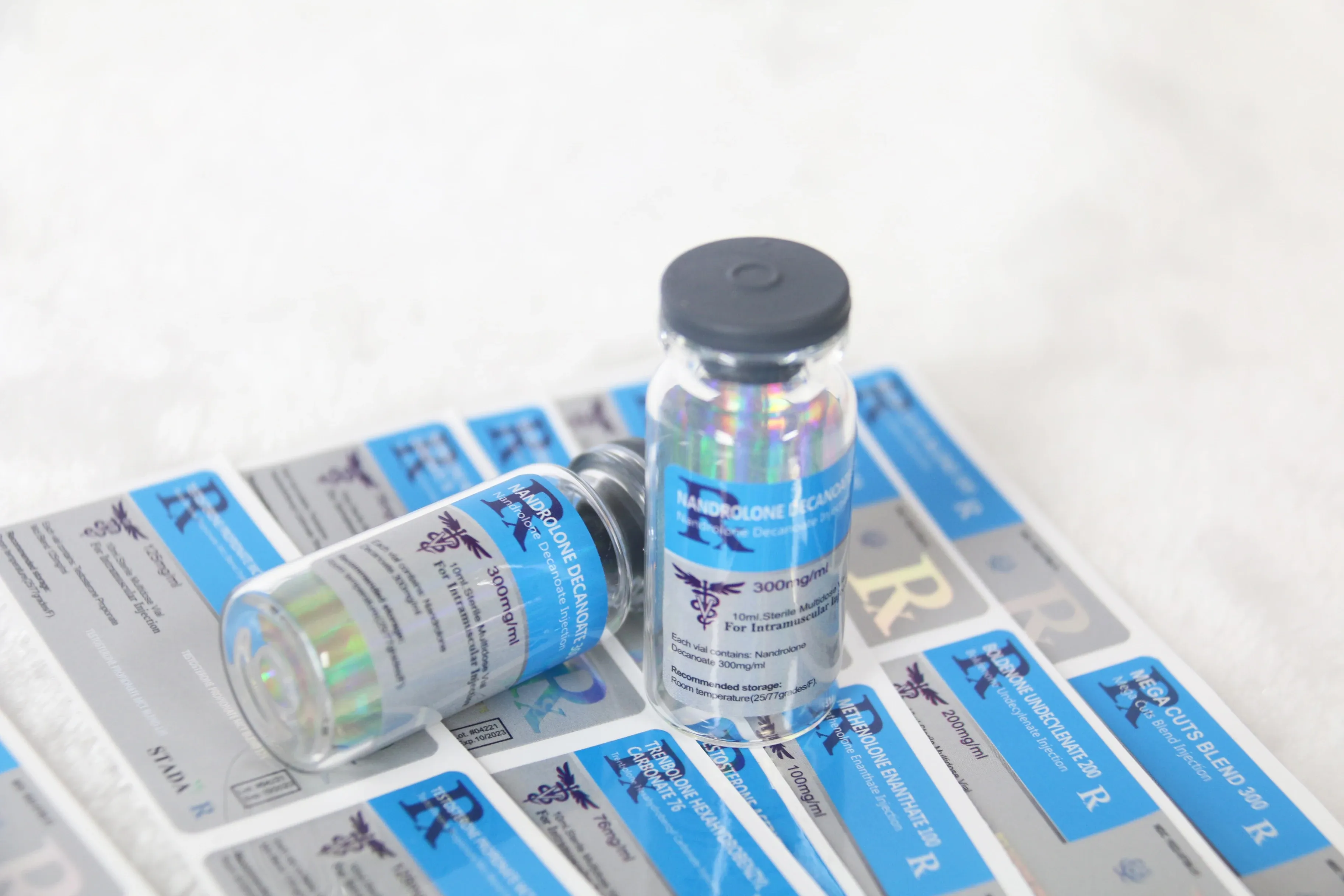
The real estate on a 10ml vial label is incredibly small, yet it must contain the drug name, dosage, batch number, and expiration date. Implementing a strict information hierarchy is essential:
Bold Typography: Utilizing high-legibility sans-serif fonts ensures that the drug name is visible from a distance.
Negative Space Strategy: To avoid "visual clutter," legal text can be moved to the side or placed on multi-layer extended labels, keeping the front face focused exclusively on dosage information.
Color Coding and Visual Cues
One of the most effective ways to prevent medication errors is through color. Developing a color-coded system acts as a "visual shorthand." For example, a 5mg dose might feature a blue band, while a 10mg dose features a red band. This visual language transcends linguistic barriers, ensuring the caregiver or patient identifies the correct specification even before reading the text.
Anti-Glare Treatment for Low-Light Environments
Medications are often stored in complex lighting environments, such as bathrooms or high-intensity hospital wards. Glossy labels can create "glare spots" that obscure vital information. Utilizing matte-finish labels scatters light, ensuring the text remains readable from any angle and under any lighting condition.
3. Improving Patient Adherence: Packaging as a Reminder
Adherence—the degree to which a patient follows their prescribed medication schedule—is the "last mile" of healthcare. Packaging that assists in this process can significantly improve treatment efficacy.
Integrated QR Codes and Digital Instructions
Modern patients expect more than a paper insert that is difficult to fold back. By printing high-resolution QR codes directly onto labels or paper boxes, patients can quickly access:
Instructional Videos: Demonstrations on how to properly reconstitute a powder or perform an injection.
Dosage Reminders: Links that can trigger a calendar notification on the patient's phone.
Multilingual Digital Leaflets: Helping non-native speakers accurately understand dosage instructions.
Building Brand Trust and Professionalism
Patients are more likely to adhere to a regimen if they trust the medication. High-quality packaging—including holographic anti-counterfeit stickers and premium-grade paperboard—signals that the drug is authentic and safe. Professional printing techniques ensure that brand identifiers are sharp and clear, fostering a psychological sense of reliability that encourages the patient to stay consistent with their treatment.
Visual Tracking Systems
For boxed products containing multiple vials, designs can include viewing windows or "count-down" numbering on the internal trays. This allows the patient to see the remaining dose at a glance, acting as a silent reminder to refill their prescription before it runs out and reducing the patient's cognitive memory load.
Conclusion: The Future of Human-Centric Pharma Packaging
Designing for the "real patient" means acknowledging human error, physical limitations, and the psychological stress of illness. It requires the industry to transition from viewing packaging as a mere "material" to seeing it as a component of the "medical device."
By combining advanced printing processes with deep structural engineering, pharmaceutical packaging can satisfy more than just compliance and security—it can truly become a warm, functional link between medicine and recovery.
Discover the Future of Pharmaceutical Packaging
If you're interested in the latest trends shaping the pharmaceutical industry, don't miss our in-depth article on next-generation packaging solutions. In this post, we explore smart, sustainable, and user-friendly packaging designs that are revolutionizing the sector.
Learn more about the innovations that will not only improve efficiency but also enhance user experience and environmental impact.