
 EN
EN
In the high-stakes world of pharmaceutical and healthcare manufacturing, the physical space on a product’s primary and secondary packaging is arguably some of the most valuable "real estate" in the industry. As medications become more complex—ranging from specialized biologics in 10ml vials to intricate peptide sequences—the amount of regulatory information, usage instructions, and safety warnings required by law has outpaced the physical dimensions of the box and label.
The solution lies in the digital bridge: Smart Packaging. By integrating high-resolution QR codes and interactive elements into custom vial labels and medical paper boxes, manufacturers can transcend the physical limits of paper and ink. This digital transformation not only ensures regulatory compliance but also fundamentally changes how patients and providers interact with medical products.
1. Digital Leaflets: Beyond the Folded Paper Insert
Traditionally, pharmaceutical packaging has relied on the "Patient Information Leaflet" (PIL)—a massive, thin sheet of paper folded into microscopic dimensions and stuffed into a carton. These inserts are difficult for patients to read, nearly impossible to refold, and environmentally wasteful.
Overcoming Physical Space Constraints
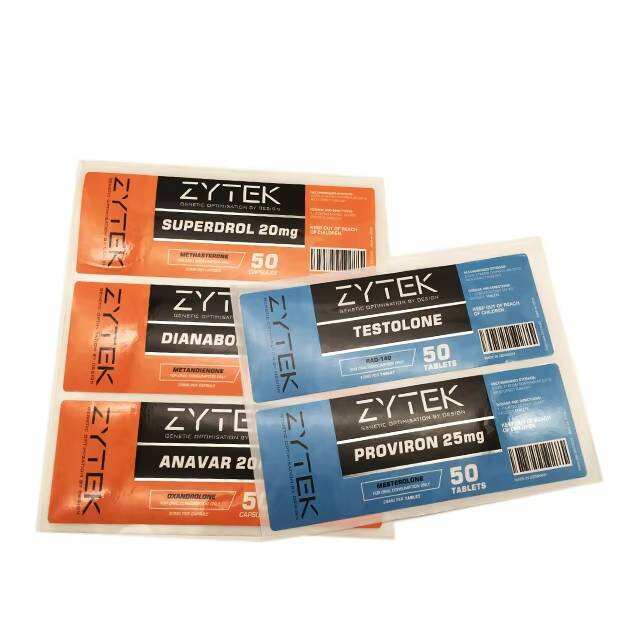
Small-format packaging, such as the cartons used for 2ml and 10ml vials, offers almost no room for detailed multi-language instructions. By replacing or supplementing the physical PIL with a scannable QR code on the vial label, manufacturers can host an unlimited amount of data in the cloud.
Dynamic Content: Unlike printed text, digital leaflets can be updated in real-time. If a new side effect is discovered or a dosage recommendation changes, the manufacturer can update the digital file without recalling physical stock.
Rich Media Integration: Digital leaflets are not limited to text. A QR code on a peptide vial box can lead the patient to high-definition instructional videos demonstrating the correct reconstitution process or injection technique, significantly reducing the risk of administration errors.
Multi-Language Accessibility for Global Markets
For manufacturers serving international markets, printing 10 different languages on a single label is impossible. Interactive labels solve this through "Geo-fencing" or language selection menus. When a patient scans the waterproof hologram sticker on their medication, the system can automatically detect the user’s phone settings and display the instructions in their native language. This ensures that critical safety information is understood regardless of the patient's location.
Improving Readability for Visually Impaired Patients
Standard printed leaflets often use 4pt or 5pt fonts to save space. Digital instructions allow for adjustable text sizes and "text-to-speech" capabilities. By scanning the QR code on a matte-finish paper box, a visually impaired patient can have the dosage instructions read aloud to them by their smartphone, a massive leap forward in inclusive design and patient safety.
2. Scannable Batch Information: Transparency and Traceability
In an era of globalized supply chains, the ability to track a specific vial from the production line to the patient's hand is no longer a luxury—it is a requirement for safety and anti-counterfeiting.
Real-Time Authentication and Anti-Counterfeiting
Counterfeit medications pose a lethal threat to public health. Integrating unique, serialized QR codes with holographic anti-counterfeit stickers creates a multi-layered security system.
One-Scan Verification: When a pharmacist or patient scans the code, the system can instantly verify if that specific serial number is authentic and has not been previously scanned (indicating a potential duplicate or fake).
Tamper Evidence: When combined with tamper-evident seals on custom vial trays, the digital record provides a complete "chain of custody," giving the end-user peace of mind that the sterile vial inside has not been compromised.
Instant Recall Management and Batch Tracking
If a specific batch of medication is found to be defective, the traditional recall process is slow and prone to gaps. Scannable batch information on self-adhesive medical labels allows for "surgical" recalls.
Automated Notifications: Patients who have registered their medication through the QR code can receive an instant push notification on their device if their specific batch is affected.
Inventory Transparency: Providers can scan the QR codes on bulk vial boxes to instantly see the expiration dates and manufacturing origin, ensuring that stock is rotated correctly and no expired medication reaches the patient.
Regulatory Compliance and E-Labeling (ePIL)
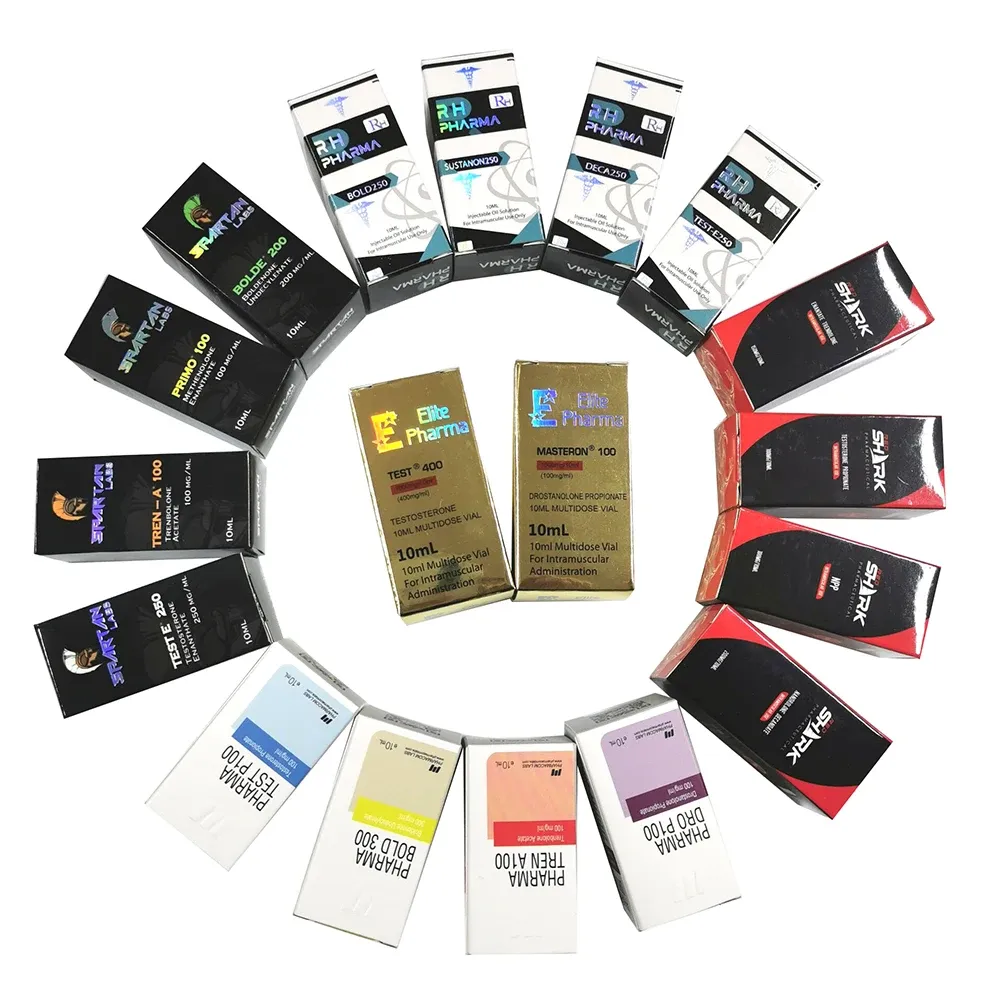
Regulatory bodies, including the EMA in Europe and the FDA in the United States, are increasingly moving toward Electronic Product Information (ePIL). By adopting interactive labeling now, manufacturers position themselves ahead of the regulatory curve. Using high-precision printing for QR codes—ensuring high contrast and sharp edges—is vital to guarantee that the code is scannable even on the curved surface of a small 10ml glass vial.
3. Enhancing Patient Engagement: The Packaging as a Service
The relationship between a pharmaceutical brand and a patient should not end at the pharmacy counter. Smart packaging turns a one-way delivery system into a two-way engagement platform.
Adherence Tracking and Dosage Reminders
Poor medication adherence is a multi-billion dollar problem in healthcare. Interactive packaging acts as a digital health coach.
Log-in Capabilities: After scanning the vial label, a patient can "check-in" each dose. This data can be shared with their healthcare provider to monitor treatment progress.
Automated Alerts: The scan can trigger the smartphone to set up a recurring dosage schedule, sending reminders to the patient’s lock screen to ensure they never miss a dose.
Feedback Loops and Adverse Event Reporting
Traditionally, reporting a side effect is a cumbersome process that patients often skip. Digital instructions can include a "Report an Issue" button. This direct link between the custom-printed medicine box and the manufacturer's pharmacovigilance department allows for faster data collection on drug performance and side effects in the real world.
Educational Content and Brand Loyalty
Beyond the "must-know" safety data, smart labels can provide "nice-to-know" educational content. For example, a QR code on a bodybuilding steroid or peptide vial could link to a portal explaining the science of the compound, diet recommendations, and community support forums. By providing this extra value through the packaging, brands build deeper trust and long-term loyalty with their users.
Conclusion: Bridging the Gap Between Physical and Digital
The evolution of pharmaceutical packaging from a passive container to an active digital interface is an essential step in modern medicine. By utilizing QR codes, interactive labels, and digital instructions, manufacturers solve the three most pressing problems in pharma logistics: the lack of physical space, the need for absolute traceability, and the challenge of patient adherence.
High-quality execution is the key to this digital transition. A QR code is only useful if it can be scanned; a digital leaflet is only effective if it is hosted on a secure, fast-loading platform. By combining precision printing on vial labels and boxes with intelligent digital strategy, healthcare brands can ensure that their products are not just safe and compliant, but truly "smart" for the next generation of patients.
Want to learn about the future of smart, sustainable, and user-friendly packaging? Check out our latest article for the full scoop!