
 EN
EN
The global peptide and life sciences market is expanding rapidly. Whether you are distributing research and development (R&D) chemicals, compounding custom formulations, or manufacturing clinical-grade biologics, your packaging is much more than a container. It is a critical guardian of product integrity, a legal safeguard for regulatory compliance, and the primary touchpoint for your brand’s professionalism.
Sourcing vial labels and boxes specifically engineered for peptides involves navigating unique challenges. These include cryogenic storage environments, chemical exposure, ultra-precise dimensions, and strict counterfeit prevention. This comprehensive guide breaks down everything you need to know to evaluate suppliers, compare quotes, and secure high-quality, compliant packaging solutions.
1. How to Evaluate Peptide Label Suppliers — 10 Key Criteria
Peptide vials are uniquely demanding. They are small, frequently subjected to extreme temperature fluctuations, and exposed to moisture or chemical solvents. Standard paper or generic product labels will fail in these environments. When vetting a potential label printing partner, evaluate them against these 10 essential criteria:
1. Materials and Adhesives for Low-Temperature Stability
Peptides are frequently stored in cold environments, ranging from standard refrigeration (2°C to 8°C ) down to deep-freeze conditions (-20°C to -80°C ). Ensure your supplier offers specialized synthetic substrates—such as polypropylene (BOPP), polyester, or vinyl—paired with high-tack, cryogenic-grade acrylic adhesives. Standard adhesives crystallize and lose tack in the cold, causing labels to flag (peel at the edges) or drop off entirely.
2. Mandrel Hold and Flexural Resistance
Vial labels must wrap tightly around incredibly small diameters, typically 2ml to 10ml vials. This requires a material with excellent mandrel hold. The material must be thin and flexible enough to resist the natural "memory" of the plastic or film to flatten back out. If the material is too rigid, the label will wing or pop open along the seam over time.
3. Chemical and Moisture Resistance
Vials are often wiped down with isopropyl alcohol (IPA) or sanitizing agents, and they are prone to condensation when moved from cold storage to room temperature. The supplier must utilize topcoat laminates or UV-cured inks that resist smudging, bleeding, or dissolving when exposed to water, alcohols, and oils.
4. High-Resolution Printing Capabilities
Because a 2ml or 5ml vial offers very limited surface area, text sizes often drop to 4pt or 5pt font. Your supplier must possess high-resolution digital presses (minimum 1200 DPI) or advanced flexographic setups to ensure that barcodes, lot numbers, expiration dates, and dosing instructions remain crisp, legible, and easily scannable by optical readers.
5. Multi-Layer and Extended Content Label (ECL) Production
If your product requires extensive regulatory warnings, multi-language instructions, or reconstitution guides, a standard wrap-around label may not provide enough space. Check if the supplier can manufacture booklet labels or peel-and-reveal multi-layer labels, which allow users to peel back the top layer to read interior text and cleanly re-seal it.
6. Variable Data Printing (VDP) for Serialization
Traceability is paramount in pharmaceutical and research supply chains. Your supplier must have the capability to print unique serial numbers, sequential barcodes, or distinct QR codes on every single label. This facilitates seamless batch tracking and simplifies inventory management.
7. Built-In Anti-Counterfeiting Features
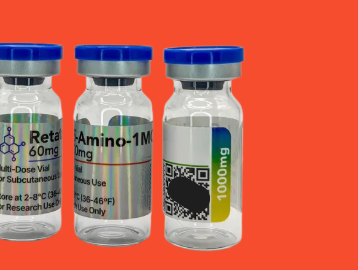
The high value of peptide products makes them a frequent target for counterfeiters. Evaluate whether the supplier can integrate security features directly into the label design. Look for options like micro-text, UV fluorescent inks (visible only under blacklight), holographic foils, or tamper-evident destructible materials that break apart if someone attempts to peel them off and transfer them to another vial.
8. Strict Quality Control and Defect Detection
Inquire about the supplier's in-line inspection systems. Reputable manufacturers use automated, high-speed camera systems to inspect 100% of the print run, instantly flagging and removing labels with hickeys, ink spots, color shifts, or misaligned die-cuts.
9. Dust-Free, Clean Manufacturing Environments
Contamination is a major hazard for injectable or research solutions. Label rolls should be produced, slit, and packed in clean, dust-controlled environments to prevent airborne particulates, paper dust, or static debris from clinging to the adhesive backing or face stock.
10. Industry Compliance and Certification
Look for suppliers holding certified quality management systems, such as ISO 9001:2015. If your product is destined for regulated medical frameworks, the supplier should understand cGMP (current Good Manufacturing Practices) guidelines and be capable of providing Certificates of Conformance (CoC) for material traceability.
2. What to Look for in a Peptide Box Manufacturer
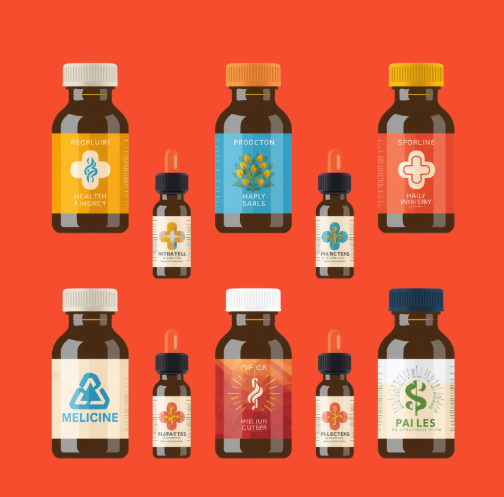
The outer box provides structural protection, dictates retail shelf appeal, and serves as an organizational system for vials, sterile water, and mixing kits. A subpar box manufacturer can result in crushed products during transit or a disappointing unboxing experience. Here is what to prioritize:
Structural Integrity and Exact Caliper Thickness
Peptide vials are made of glass or specialized cyclic olefin polymers, making them fragile. The box manufacturer must offer high-density structural paperboards that resist crushing.
Custom-coated One-Sided (C1S) or Two-Sided (C2S) art paperboard (typically ranging from 300gsm to 400gsm, or 14pt to 18pt thickness) is the standard for retail and clinical presentation boxes.
For multi-vial shipping or heavy kits, ensure they can work with rigid chipboard or fine E-flute corrugated cardboard to prevent collapsing when stacked in master cartons.
Precision-Cut Internal Inserts and Dividers
A vial box should never allow glass containers to rattle, roll, or collide with one another. Look for manufacturers with advanced in-house sample making and die-cutting machinery. They should design custom internal trays using:
Custom die-cut paperboard inserts: Eco-friendly, recyclable, and engineered to lock each vial securely in place by its neck.
High-density EVA or EPE foam inserts: Provide premium shock absorption and a clean presentation, with precise finger-slots for easy vial extraction.
Specialty Finishes for Premium Branding
Peptide branding often leans toward a clean, clinical, or high-end aesthetic. Ensure your manufacturer offers advanced post-press finishing techniques:
Matte or Gloss Soft-Touch Lamination: Provides a velvety tactile feel and moisture protection.
Spot UV / 3D Raised Varnishes: Adds a glossy, tactile dimension to logos or product names.
Hot Foil Stamping: Adds metallic accents (gold, silver, holographic, or rose gold) to convey premium quality.
Embossing or Debossing: Raises or depresses specific design elements into the paperboard for added depth.
Precision Color Matching (Delta E Frameworks)
Brand consistency across different production runs is a hallmark of professional operations. Ensure your manufacturer utilizes the Pantone Matching System (PMS) and monitors color variances using tight Delta E (ΔE) tolerances. If your brand color drifts between print runs, your products will look inconsistent on the shelf, eroding customer trust.
Structural Styles and Closure Security
The box design must align with your end-user workflow. A manufacturer should offer diverse structural templates:
Straight Tuck End (STE) or Reverse Tuck End (RTE): Classic, cost-effective options for single vials.
Auto-Lock Bottom: Ideal for fast-paced assembly lines, as the bottom snaps into place automatically when opened.
Book-Style or Magnetic Closure Rigid Boxes: Perfect for high-ticket multi-vial kits, giving a premium feel that reinforces product value.
3. Vial Label Sourcing — MOQ, Lead Time & Quality Checklist
Sourcing labels effectively requires balancing procurement logistics with technical metrics. Miscalculating Minimum Order Quantities (MOQs) or overlooking a quality metric can cause costly supply chain delays.
Understanding MOQs: Digital vs. Flexographic Printing
Label printing technology directly dictates supplier MOQ thresholds:
Digital Printing: Best for startups, emerging brands, or multi-SKU product lines (e.g., sourcing 10 different peptide varieties). MOQs are typically low, ranging from 500 to 2,000 total labels. There are no plate charges, making it highly economical for short runs.
Flexographic Printing: Best for large-scale, high-volume production runs (10,000 to 100,000+ units per SKU). It requires a significant upfront investment for physical printing plates, but offers an incredibly low per-unit cost at scale.
Standard Industry Lead Times
Lead times vary depending on the complexity of the order and seasonal demand.
Pre-production Digital Proofing: 2 to 4 business days.
Digital Printing Run: 5 to 7 business days post-proof approval.
Flexographic Printing Run: 10 to 15 business days due to plate fabrication and press setup.
Logistics Window: Always factor in an additional 3 to 10 days for domestic freight or air shipping when planning your production schedule.
Sourcing Quality Checklist
Before authorizing production or signing off on a bulk run, cross-reference your order with this operational quality checklist:
| Quality Parameter | Standard Requirement / Metric | Verification Method |
| Material Base | Synthetic PP, BOPP, or PET film | Review supplier material datasheets |
| Adhesive Rating | Cryogenic / High-Tack Acrylic | Review technical specifications |
| Unwind Direction | Must match your automatic applicator | Cross-reference applicator manual |
| Core Size | 1" or 3" inner diameter | Confirm roll compatibility |
| Finishing Shield | Matte/Gloss lamination or UV varnish | Rub test with 70% IPA |
| Die-Cut Tolerance | Variance within ±0.5mm | Check alignment on vials |
| Color Target | Pantone match / Delta E < 2.0 | Inspect under standard light |
4. Vial Box Suppliers — How to Compare Quotes & Capabilities
Receiving multiple quotes from packaging suppliers can be overwhelming if they aren't structured identically. A low quote might hide cheap materials or exclude essential finishing costs, while a high quote might include unneeded services. Use this structured approach to compare quotes accurately.
Itemizing the Line Items
Never accept a simple lump-sum quote. Demand a transparent breakdown that isolates each cost driver:
Tooling & Die-Cutting Fees: The one-time cost to manufacture the physical steel die used to punch out your custom box shape.
Setup Fees: The labor and calibration cost to prep the presses for your specific run.
Unit Price: The isolated cost of printing and converting an individual box.
Insert Costs: Ensure foam or paperboard inserts are quoted as distinct, optional line items.
Shipping & Duties: Clarify whether terms are FOB or DDP (Delivered Duty Paid).
Material Weight & Caliper Comparison
Ensure you are comparing equivalent materials. If Supplier A quotes a 350gsm C1S art paperboard and Supplier B quotes a thin 250gsm paperboard, Supplier B will be significantly cheaper—but their boxes will feel flimsy. Standardize your inquiries by explicitly stating your required paper weight or thickness in your Request for Quote (RFQ).
Structural Sample Prototyping
Before committing to a bulk production run, require physical structural samples:
Unprinted Plotter Samples (White/Dieline Samples): Usually free or very inexpensive. These allow you to verify that your vials fit perfectly into the interior inserts and that the box closes securely.
Digital Pre-Production Samples (Printed Prototypes): These incur a small fee but show exactly how the graphics, colors, and finishes will look on the final material.
5. Custom Vial Packaging — How to Brief a Supplier from Scratch
When you need to design a custom packaging solution from scratch—such as a multi-vial kit containing peptides, bacteriological water, and syringes—providing a clear, professional design brief minimizes design errors.
Step 1: Supply Exact Physical Dimensions and Weights
Gather all components that will go into the packaging. Use a digital caliper to measure the total height, outer diameter, and weight of your vials and ancillaries. Share these exact measurements with your supplier's structural engineering team.
Step 2: Request a Technical Dieline File
The supplier will use your measurements to generate a digital layout template, known as a dieline. This file contains specific line designations for cutting, creasing, and folding. Ensure you request bleed zones (typically 3mm) to prevent white edges.
Step 3: Set Up Artwork in Vector Software
Your graphic designer must lay out the artwork using professional vector software like Adobe Illustrator.
Color Mode: Set to CMYK or define specific Pantone (PMS) spot colors.
Resolution: All raster images must be at least 300 DPI.
Font Outlining: Convert all typography to vector outlines to prevent font errors.
Step 4: Define Your Assembly and Fulfillment Workflow
Indicate how the boxes will be assembled and packed. Will you be hand-packing them in-house, or will they be run through a high-speed automatic cartoneer? If you are hand-packing, request flat-shipped, easy-to-assemble designs (like auto-lock bottoms) to streamline your manual assembly.
6. Red Flags When Sourcing Pharmaceutical Packaging Suppliers
High-quality packaging protects your brand reputation and product stability. Watch out for these critical red flags:
Unwillingness to Provide Material Data Sheets (MSDS/TDS): If a label supplier cannot provide certified technical documentation detailing their adhesive's temperature ratings, they are likely using generic stocks that risk failing in cold storage.
Vague Quality Control Protocols: Avoid suppliers who cannot explain how they inspect for print defects or color consistency. If they lack in-line automated camera checking, you risk receiving batches with unreadable barcodes.
Excessive or Unusually Cheap Sample Fees: A reputable manufacturer charges reasonable, transparent rates for printed physical samples, often crediting that cost back to your balance once you place a bulk order.
Lack of Cleanliness and Traceability Controls: If a factory tour reveals unorganized production floors, airborne dust near the printing presses, or unlabelled raw material rolls, look elsewhere.
7. China vs. Local Peptide Packaging Suppliers — Pros, Cons & How to Decide
Choosing between an overseas packaging manufacturer (such as in China) or a domestic, local supplier depends on your budget, order volume, and timeline flexibility.
| Scenario | Recommended Supplier | Key Advantages |
| Start-up, Low Volumes, Tight Launch Window | Local Supplier | Faster transit times, streamlined communication, and reduced setup costs for small production runs. |
| High Volumes, Complex Kits, Cost Savings | China Supplier | Significant per-unit cost reduction, economies of scale, and specialized infrastructure for complex, multi-part assembly. |
How to Decide: The Selection Framework
Choose a Local Supplier if:
You are launching a new product line with small initial test batches (under 2,000 units).
You operate on a tight schedule and need finished packaging in hand within 2 to 3 weeks.
Your compliance framework requires easily verifiable domestic material certifications.
Choose an Overseas Supplier (China) if:
Your order volumes have stabilized, and you are scaling up to 5,000+ boxes or 10,000+ labels per run.
You are designing intricate, high-ticket custom presentation kits with multiple components.
You maintain a reliable supply chain calendar with at least an 8 to 10-week lead time window.
Table of Contents
-
1. How to Evaluate Peptide Label Suppliers — 10 Key Criteria
- 1. Materials and Adhesives for Low-Temperature Stability
- 2. Mandrel Hold and Flexural Resistance
- 3. Chemical and Moisture Resistance
- 4. High-Resolution Printing Capabilities
- 5. Multi-Layer and Extended Content Label (ECL) Production
- 6. Variable Data Printing (VDP) for Serialization
- 7. Built-In Anti-Counterfeiting Features
- 8. Strict Quality Control and Defect Detection
- 9. Dust-Free, Clean Manufacturing Environments
- 10. Industry Compliance and Certification
- 2. What to Look for in a Peptide Box Manufacturer
- 3. Vial Label Sourcing — MOQ, Lead Time & Quality Checklist
- 4. Vial Box Suppliers — How to Compare Quotes & Capabilities
- 5. Custom Vial Packaging — How to Brief a Supplier from Scratch
- 6. Red Flags When Sourcing Pharmaceutical Packaging Suppliers
- 7. China vs. Local Peptide Packaging Suppliers — Pros, Cons & How to Decide