
 EN
EN

Premium Visual and Functional Enhancement for Modern Pharmaceutical Boxes
Pharmaceutical brands increasingly rely on Pharmaceutical Boxes not only as protective secondary packaging but also as a controlled, compliant, and visually consistent carrier of critical medical information. High-quality finishing options help stabilize color accuracy, ensure legibility, strengthen structural performance, and elevate brand recognition in professional medical environments. When applied correctly, these finishes create Pharmaceutical Boxes that withstand supply-chain stress, maintain printing clarity, and support regulatory compliance without compromising efficiency. With the growing demand for multi-SKU medication packaging, consistent finishing also helps pharmaceutical companies maintain uniform product identity across regions. For manufacturers with advanced capabilities, these finishes deliver a clear balance of functionality, durability, and visual quality that healthcare products require.
Lamination and Surface Enhancement
Matte Lamination Finish
Matte lamination creates a smooth, low-gloss surface that reduces glare and enhances readability on Pharmaceutical Boxes. This finish is ideal for medical environments where clarity and a clean appearance are essential. It helps protect the printed surface from scratches, scuffs, and moisture during transportation and pharmacy handling. Matte lamination also gives Pharmaceutical Boxes a premium tactile experience, improving user perception and reinforcing product professionalism. For brands with large volumes of medication SKUs, matte lamination supports consistent visual tone across all packaging lines. The soft, diffuse surface ensures that dosage information and regulatory text remain sharp and easy to read.
Gloss Lamination Finish
Gloss lamination provides a highly polished surface that enhances color saturation and creates a vivid appearance on Pharmaceutical Boxes. It is well suited for packaging lines that rely on strong visual contrast, especially when printed with medical illustrations or color-coded dosage systems. The glossy coating adds an additional layer of protection against chemical contact, humidity, and physical abrasion. Pharmaceutical Boxes with gloss lamination maintain a clean, reflective appearance even after repeated handling. This finish also improves carton rigidity, helping the structure retain its shape during distribution.
Soft-Touch Lamination Finish
Soft-touch lamination creates a velvety, rubberized texture that elevates the sensory quality of Pharmaceutical Boxes. Although often associated with premium consumer packaging, soft-touch surface technology is increasingly used in pharmaceutical cartons to differentiate product categories. The soothing tactile effect supports a perception of safety and comfort, especially for patient-facing medications. This finish helps hide fingerprints and provides resistance against tearing or cracking along the edges. The durability of soft-touch lamination ensures that Pharmaceutical Boxes retain a refined feel from production to final dispensing.
UV and Spot Finishes
Spot UV Finish
Spot UV finishing highlights specific areas of Pharmaceutical Boxes by applying a glossy, raised coating that contrasts with surrounding matte surfaces. This method allows manufacturers to emphasize logos, icons, dosage symbols, or critical instructions without overwhelming the design. Pharmaceutical Boxes with spot UV enhancements maintain excellent readability while offering enhanced visual structure. The targeted application of UV coating strengthens brand presence and improves quick identification on pharmacy shelves. It also resists friction and provides long-lasting clarity even in high-touch environments.
Full UV Coating Finish
Full UV coating covers the entire surface with a protective gloss layer, improving moisture resistance and creating a high-definition visual effect. Pharmaceutical Boxes that require vivid printing or detailed illustrations benefit greatly from full UV coating. This protective layer helps maintain print stability during long-distance transport, especially in humidity-controlled medical logistics systems. The smooth, sealed surface protects vital regulatory text from becoming damaged or smudged. This finish also increases the structural rigidity of Pharmaceutical Boxes, supporting better stacking and storage.
Raised UV Texture Finish
Raised UV texture creates a tactile, embossed feel by applying thick UV varnish to designated patterns. This offers pharmaceutical brands a method of enhancing user interaction without relying entirely on traditional embossing. Pharmaceutical Boxes with raised UV textures can feature elevated logos, warning symbols, or tactile indicators that allow faster product recognition. This technique also improves grip, making the boxes easier to handle in clinical environments. The added texture makes the packaging physically distinctive while reinforcing important information through touch.
Foil and Metallic Effects
Hot Foil Stamping Finish
Hot foil stamping applies metallic layers onto Pharmaceutical Boxes to create sharp reflective accents in gold, silver, or custom colors. This finishing technique conveys a sense of precision and quality that aligns with medical-grade product expectations. Foil stamping is often used to highlight brand elements, certification marks, or category indicators. The metallic film adheres firmly to the Pharmaceutical Boxes, providing a long-lasting effect that resists fading. Because the process does not bleed or blur, it maintains crisp edges that support compliance with legibility requirements.
Cold Foil Finish
Cold foil technology applies metallic effects inline during printing, enabling more complex gradients and fine detail on Pharmaceutical Boxes. This finish is ideal for brands that require scalable foil decoration without high heat or multiple passes. Cold foil improves visual uniformity across large production runs, making it suitable for multi-SKU pharmaceutical lines. The reflective effect enhances visual hierarchy and helps categorize dosage types or product families. Pharmaceutical Boxes finished with cold foil maintain clarity and durability while offering a modern metallic aesthetic.
Holographic Foil Finish
Holographic foil introduces multidimensional light-reflective patterns that enhance the visual depth of Pharmaceutical Boxes. Although not used for anti-counterfeiting in this context, holographic foil creates advanced visual presence suitable for distinguishing specialized medication categories. The shifting spectral effect attracts attention and helps differentiate packaging in complex distribution environments. Pharmaceutical Boxes with holographic foil maintain consistent structural performance and resist peeling or wear during handling.
Structural and Tactile Finishes
Embossing Finish
Embossing creates raised relief patterns on Pharmaceutical Boxes, adding depth and tactile definition to logos or critical text. This finish increases touch recognition and helps guide attention to essential information. Pharmaceutical Boxes with embossed surfaces feel more refined and durable, supporting user trust and professional aesthetics. The raised structure also enhances rigidity, contributing to better carton shape retention during shipment. Embossing integrates well with matte or soft-touch laminations for multi-layered texture experiences.
Debossing Finish
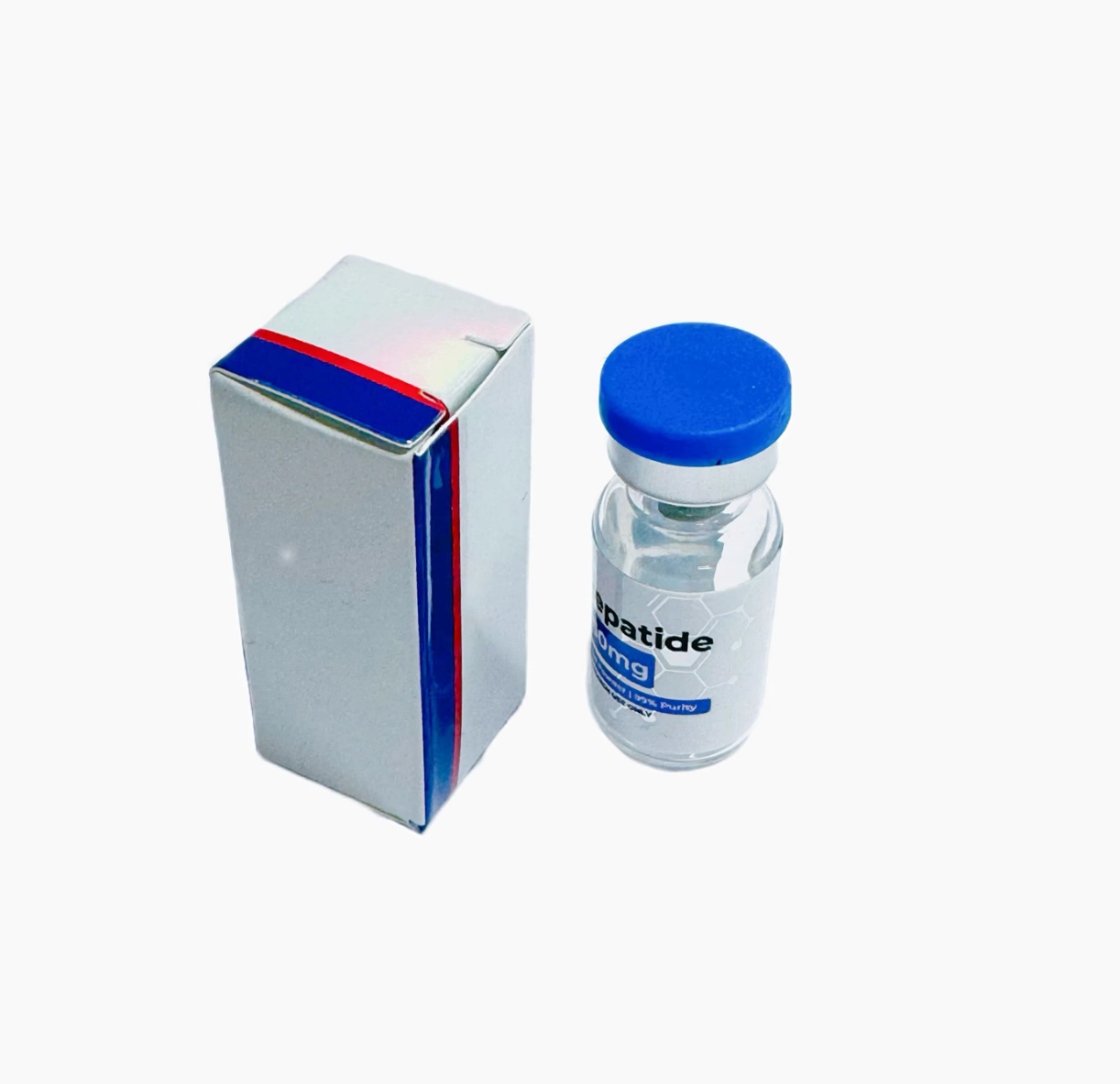
Debossing presses patterns into the carton surface to form recessed designs, creating a subtle yet elegant tactile effect. This technique is frequently selected for Pharmaceutical Boxes intended for premium or specialist medication segments. The recessed texture provides a controlled visual tone that complements minimalistic medical designs. Debossing also works well with foil stamping, creating layered effects that enhance brand identity. The structure remains robust and supports clean lines that maintain compliance with pharmaceutical packaging requirements.
Die-Cut Window Finish
Die-cut windows incorporate transparent or semi-transparent openings that allow partial visibility of internal blister packs or leaflets. Pharmaceutical Boxes with die-cut windows improve patient confidence by offering a preview of the contained medication. These structures must be precisely aligned to maintain carton integrity and prevent deformation. Window finishes create a balance between protection and visibility, supporting multi-layer product communication. They also help pharmacists confirm product types without opening the packaging.
Specialized Protective Finishes
Anti-Scratch Coating
Anti-scratch coatings protect Pharmaceutical Boxes from abrasion during automated packing, distribution, and high-frequency handling. This finish preserves the clarity of printed medical information, ensuring that dosage instructions and regulatory text remain legible. The protective layer maintains surface quality for extended periods, even under demanding supply-chain conditions. Pharmaceutical Boxes treated with anti-scratch coatings maintain a clean, reliable appearance in clinical environments.
Moisture-Resistant Coating
Moisture-resistant coatings safeguard Pharmaceutical Boxes from humidity exposure, condensation, and minor liquid contact. This is critical for high-value medications transported through temperature-controlled logistics networks. The coating stabilizes the outer surface and prevents warping, bubbling, or ink disruption. Pharmaceutical Boxes remain structurally sound and visually consistent even in environments with frequent climate fluctuations.
Chemical-Resistant Coating
Chemical-resistant coatings protect Pharmaceutical Boxes from accidental contact with alcohol wipes, disinfectants, or chemical residues commonly used in hospitals. This finish prevents ink fading and preserves the printed surface when exposed to cleaning routines. It helps maintain compliance with legibility requirements and supports long-term carton durability. Pharmaceutical Boxes with this protective layer remain stable and reliable throughout medical handling cycles.