
 EN
EN
Understanding Material Differences in Modern Pharmaceutical Labeling
Pharmaceutical labeling has evolved into a sophisticated system that balances durability, clarity, compliance, and production efficiency. A PP label, a PET label, and a Paper Label each offer unique strengths, and choosing between them requires a full understanding of performance requirements in regulated pharmaceutical environments. The properties of a PP label provide flexibility and moisture resistance, whereas the rigidity and clarity of a PET label support high-end applications. Meanwhile, a Paper Label remains a cost-effective solution for high-volume medication packaging where natural texture and ink absorption are preferred. By evaluating each label material carefully, pharmaceutical brands can achieve better regulatory alignment, printing accuracy, and packaging consistency while maintaining stable efficiency across production lines.
Label Material Properties and Performance
Structural Characteristics of PP Label
A PP label is known for its strong moisture resistance, excellent tear strength, and flexible handling performance in both cold and room-temperature environments. The material supports clean printing surfaces while resisting deformation under pressure, making it ideal for curved bottles, tubes, and pharmaceutical containers that face frequent handling. The low-density structure offers cost savings during large-scale transportation and storage, ensuring consistent roll-to-roll performance on automated machines. The durability of PP Label surfaces supports varnish, lamination, cold foil, and a wide range of finishing techniques that maintain long-term legibility.
Key Characteristics of PET Label
A PET label provides superior clarity, dimensional stability, and scratch resistance, which is essential for high-value pharmaceutical products requiring premium appearance and long shelf life. The mechanical strength of a PET label ensures excellent resistance against heat, friction, and chemical exposure. These properties allow the material to maintain its shape even under high-speed labeling conditions. Pharmaceutical brands rely on PET Label structures for products that demand long-term durability in varying supply chain temperatures, from cold-chain logistics to controlled room temperature environments. The high tensile strength also supports very precise die-cut shapes.
Functional Characteristics of Paper Label
A Paper Label remains popular due to its cost-effectiveness, natural texture, and wide compatibility with standard printing processes. The material offers exceptional ink absorption, producing accurate color reproduction for dosage instructions, batch numbers, and regulatory texts. A Paper Label also supports pharmaceutical folding cartons, cartons with varnish coatings, and blister packaging where the label serves an informational rather than a protective function. While Paper Label materials are less resistant to moisture, their affordability and versatility make them ideal for secondary packaging, tube boxes, instruction surfaces, or tamper-evident sealing functions.
Label Appearance and Print Quality
Visual Effects of PP Label
A PP label provides smooth, glossy or matte finishes that enhance the clarity of printed text and graphics. The surface properties allow for crisp barcodes, QR codes, and variable information applied via thermal transfer or digital printing. A PP Label maintains consistent color density without ink feathering, which supports pharmaceutical brands that require accurate medication identification. The clarity of PP surfaces also allows for finishing techniques that enhance both branding and regulatory visibility on bottles and vials.
High-Resolution Printing on PET Label
A PET label offers the best print clarity among the three material types due to its high transparency and stable surface structure. The rigid material prevents distortion during printing, ensuring dosage instructions and compliance details remain readable after long-term use. A PET Label resists abrasion from transportation, storage, and routine handling, keeping batch codes and serial numbers sharp. This material’s high-end appearance makes it suitable for premium packaging lines where immaculate transparency and gloss are essential.
Natural and Informational Print Style of Paper Label
A Paper Label offers a soft, natural appearance with excellent ink retention. The matte surface reduces glare under hospital lighting, enhancing readability for pharmacists and patients. A Paper Label can be adapted to various textures and tactile finishes, allowing for high-contrast text that supports medication safety guidelines. The simplicity of Paper Label designs complements folding cartons and informational inserts, making the material ideal for compliance-oriented pharmaceutical products.
Mechanical Performance and Durability
Durability Level of PP Label in Daily Handling
A PP label resists tearing, stretching, and moisture penetration, making it ideal for frequent contact environments like clinics, pharmacies, and distribution centers. The flexible material maintains adhesion on curved bottles without peeling or cracking. PP Label surfaces also protect printed information from smudging due to oils or routine handling. These qualities ensure long-term legibility across domestic and export pharmaceutical supply chains.
Long-Term Strength of PET Label in Harsh Environments
A PET label withstands higher temperatures, chemical exposure, and mechanical impact better than both PP and Paper Label materials. The enhanced rigidity prevents wrinkles or deformation during storage and shipment. PET Label durability ensures that regulatory markings and batch coding remain intact through diverse climate zones. Its robust structure supports strict global compliance requirements that mandate label clarity throughout a product’s entire shelf life.
Paper Label Handling Stability
A Paper Label performs well in controlled indoor environments with limited moisture exposure. The material suits dry pharmaceutical packaging lines that prioritize cost-effective production and straightforward readability. Paper Label performance is consistent on folding boxes, blister cartons, and secondary packaging where mechanical stress is minimal. With proper varnish or lamination, a Paper Label can gain added strength while maintaining its recognizable texture.
Compatibility with Pharmaceutical Packaging Lines
PP Label Integration with Automated Labeling
A PP label runs efficiently on both high-speed and moderate-speed labeling equipment. The lightweight structure reduces friction during feeding and supports excellent roll stability in automated lines. PP Label performance is stable across various adhesives, making it adaptable to vials, bottles, jars, and medical devices. The consistency of PP Label materials allows manufacturers to maintain uninterrupted production cycles.
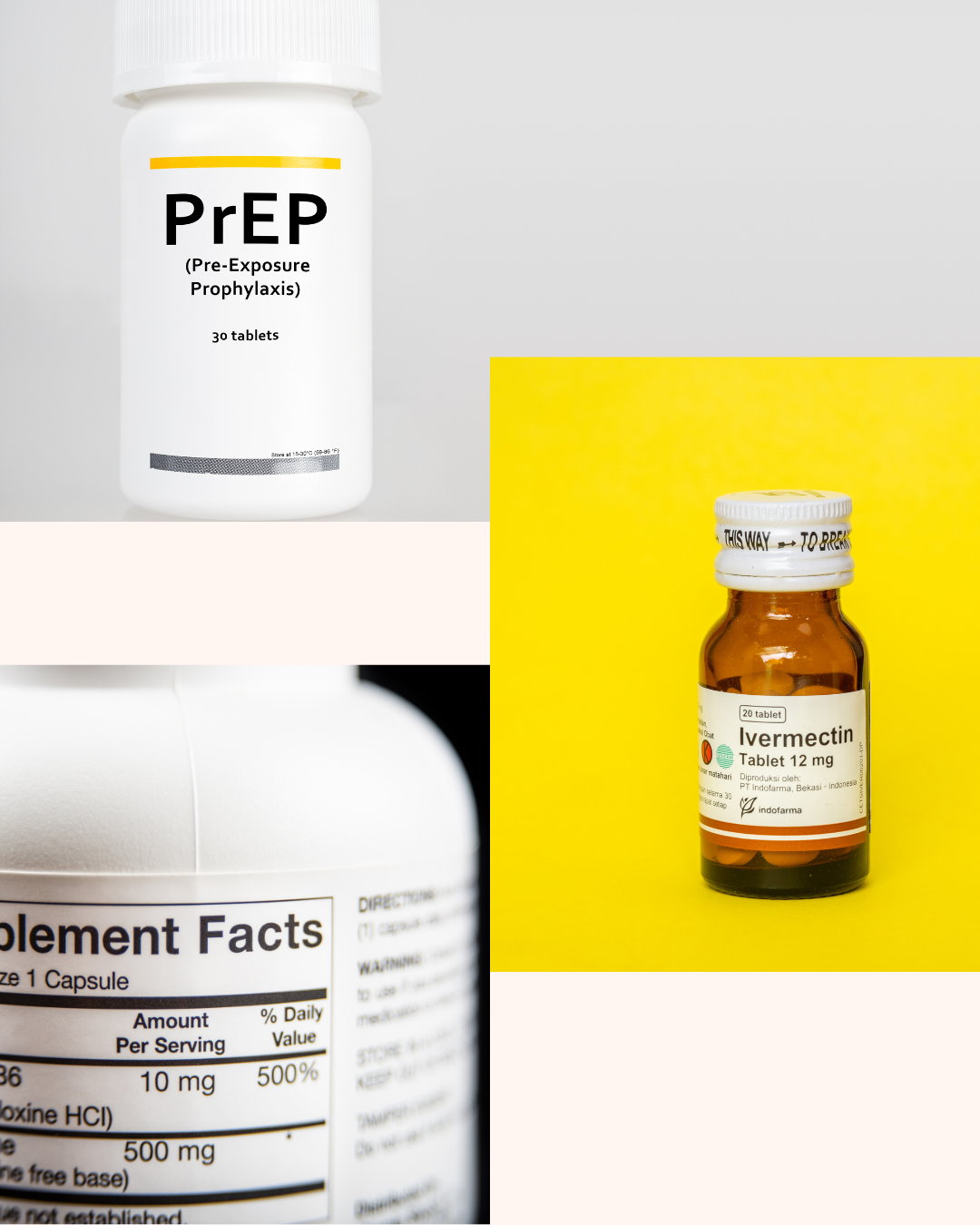
PET Label Precision in High-Speed Production
A PET label performs exceptionally well in advanced packaging lines where accuracy and speed are essential. The rigidity supports extremely clean die-cutting, ensuring precise label placement on curved or flat surfaces. PET Label performance excels in environments where tight tolerances are required to meet GMP standards. Pharmaceutical brands benefit from stable film thickness and uniform transparency that enhance automated vision inspection accuracy.
Paper Label Compatibility with Folding Cartons
A Paper Label integrates seamlessly into carton-based pharmaceutical lines, making it ideal for batch labeling, secondary packaging, and informational markings. The material supports offset, digital, and flexo printing processes. Paper Label surfaces allow for economical multi-SKU production, which is useful for brands managing large product ranges. Its compatibility with glue and varnish coatings ensures efficient application on paperboard structures.
Environmental and Cost Considerations
Resource Efficiency of PP Label
A PP label is lightweight and contributes to reduced transportation costs. The material offers good recycling potential in pharmaceutical environments where controlled waste separation is possible. PP Label production supports long roll lengths that minimize changeover times and reduce overall material waste.
Sustainability Considerations for PET Label
A PET label supports high recyclability and provides excellent reuse value due to its strong chemical structure. PET Label waste is widely accepted in industrial recycling channels. Although PET Label material is typically more expensive, its longevity and premium performance justify the investment for high-value medications.
Cost-Effectiveness of Paper Label
A Paper Label remains the most economical choice, providing reliable performance for secondary packaging and large-volume production runs. The biodegradable nature of a Paper Label makes it suitable for brands emphasizing sustainability in non-moisture environments. Its versatility supports cost-efficient labeling strategies without sacrificing readability.