
 EN
EN
Importance of Material Selection in Pharmaceutical Packaging
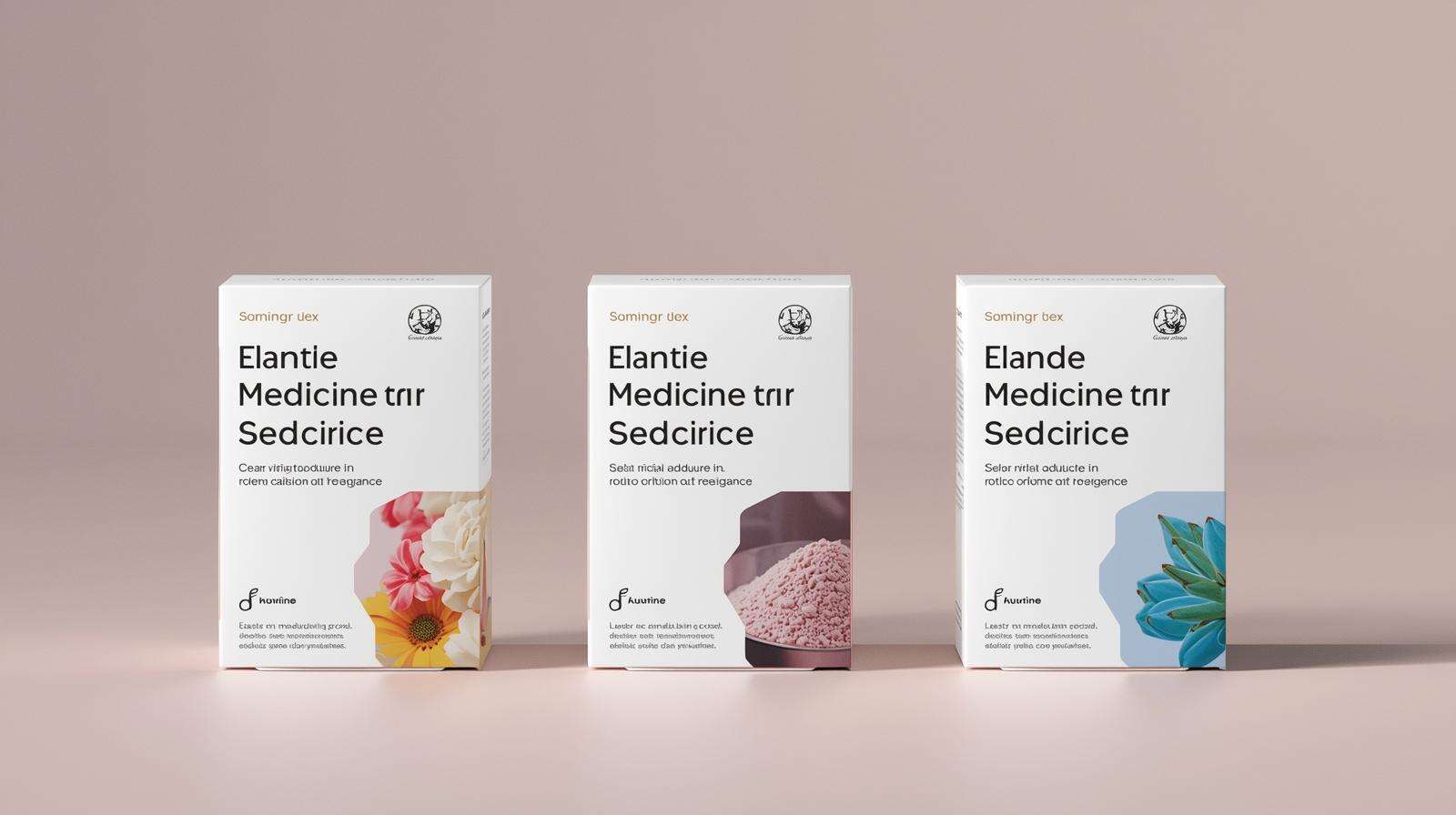
Choosing the appropriate paperboard for Pharmaceutical Boxes is a critical decision that influences product protection, regulatory compliance, printing performance, and the overall brand image. Pharmaceutical Boxes operate as an essential component of secondary packaging, supporting both logistical efficiency and patient safety. When the right material is used, Pharmaceutical Boxes maintain structural strength, ensure label readability, and protect delicate medications from environmental exposure. This selection also affects production costs, sustainability considerations, and compatibility with folding carton structures used in the pharmaceutical industry. Hengxinmao integrates advanced material engineering, precision converting, and GMP-compliant packaging workflows to help pharmaceutical brands achieve consistent quality, stability, and visual uniformity. Through this combination of technical and regulatory understanding, the process of choosing paperboard becomes more systematic and predictable, ensuring that Pharmaceutical Boxes maintain high performance throughout their lifecycle.
Types of Pharmaceutical Box Structures
Tuck-End Structures
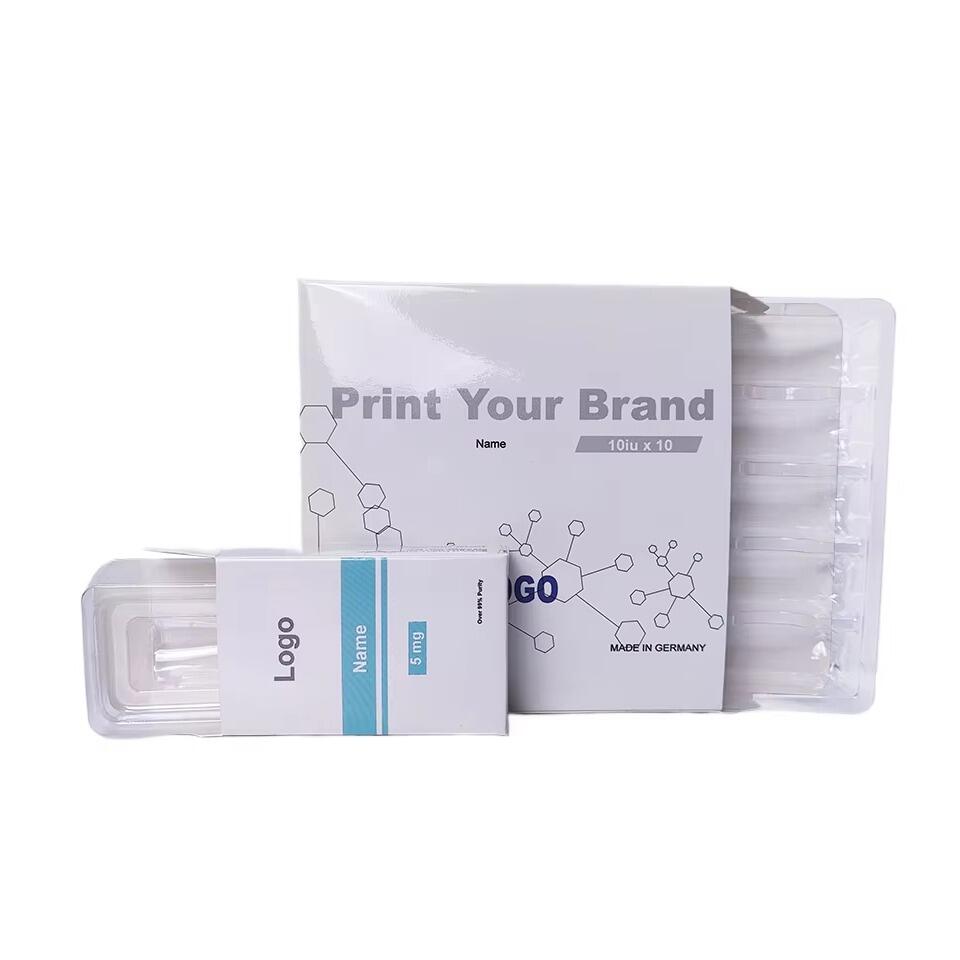
Tuck-end structures are among the most widely used formats for Pharmaceutical Boxes due to their assembly efficiency and compatibility with automated filling lines. These cartons rely on top and bottom tuck panels that lock securely while providing easy opening for pharmacists and end users. The design works well with standard 350–400 g white card or SBS C1S because these substrates support crisp creasing and accurate folding during high-speed converting. Tuck-end boxes are suitable for lightweight to medium-weight medications such as tablets, blisters, and small bottles, providing sufficient rigidity without unnecessary material waste. In addition, their broad printable surface allows clear display of dosage information, barcodes, and regulatory codes required by pharmaceutical authorities.
Crash Bottom Structures
Crash bottom structures offer enhanced strength for Pharmaceutical Boxes that carry heavier or irregularly shaped medical items. The interlocking base provides load-bearing capacity far beyond standard tuck-end formats, making it ideal for glass vials, larger blister cards, or bundled pharmaceutical kits. A slightly higher board grammage or micro-corrugated option may be used to reinforce structural integrity while maintaining optimal print quality. These cartons benefit from precise scoring and gluing accuracy to prevent deformation during filling and shipping. Their durability also ensures that instructions, product identifiers, and serial numbers remain well-protected from abrasion or transit pressure.
Sleeve and Tray Designs
Sleeve and tray formats are used in Pharmaceutical Boxes requiring premium presentation or higher stability for sensitive medications. The tray cradles the product securely, while the sleeve protects the contents and adds branding impact. This structure is frequently chosen for multi-SKU kits, clinical trial packaging, and combination products. Due to the two-part construction, selecting a paperboard with balanced stiffness and scoreability is essential. SBS C1S and micro-flute substrates offer the strength and surface smoothness needed for high-definition printing and seamless sliding action between sleeve and tray.
Types of Pharmaceutical Label Formats
Roll Label Applications
Roll labels play a critical role in Pharmaceutical Boxes when high-speed labeling machines are used for mass production. They offer continuous application efficiency and excellent consistency in adhesive performance. Materials such as PP, PE, or coated paper labels support variable data printing, serialization, and barcoding essential for pharmaceutical tracking systems. Roll labels must maintain dimensional stability under different humidity and temperature conditions to avoid misalignment on Pharmaceutical Boxes. Their compatibility with varnish or lamination enhances durability, ensuring patient-critical information remains readable even during extended storage or frequent handling.
Sheet Label Solutions
Sheet labels are suited for controlled manual application or small-batch production where precision and flexibility are required. They are often used for hospital-specific kits, clinical samples, or specialty medications packaged in Pharmaceutical Boxes with stricter label placement rules. These labels can incorporate complex shapes through die-cutting and withstand handling without tearing. Paper-based labels offer cost-effective solutions, while PET labels provide superior clarity and resistance to chemical exposure. For Pharmaceutical Boxes, sheet labels must adhere securely without curling or edge lifting, especially when used on coated paperboard surfaces.
Multi-Layer Booklet Label Systems
Multi-layer booklet labels are applied when Pharmaceutical Boxes need to convey long instructions, multilingual guidance, or mandated safety information. These labels combine multiple pages into a compact structure that adheres firmly to the carton without sacrificing readability. Materials such as PP and PE are selected for their flexibility and tear resistance. The design allows pharmaceutical companies to comply with regulatory requirements while preserving the limited surface area of Pharmaceutical Boxes for branding and essential product identifiers. The booklet construction must be durable enough to withstand repeated opening without compromising adhesive performance.
Core Material Categories for Pharmaceutical Boxes
White Cardboard and SBS C1S
White card and SBS C1S remain the most standard substrates for Pharmaceutical Boxes because of their print clarity, stiffness, and excellent folding behavior. These materials provide a clean white surface ideal for medical branding and precise color reproduction. The grammage range of 350–400 g supports strong structural integrity while maintaining compatibility with automated packing lines. Their uniform fiber composition ensures stable creasing, accurate die-cutting, and high-quality embossing or lamination.
Grey Back Board and CCNB
Grey back board (CCNB) offers a cost-efficient alternative for Pharmaceutical Boxes that do not require premium-grade whiteness on the interior panel. While slightly less bright than SBS, CCNB still supports clear printing and reliable creasing. It maintains rigidity for cartons that must withstand stacking or compression during transportation. For secondary packaging in non-display scenarios, CCNB provides a balance of economy and performance.
Micro-Flute E/F Substrates
Micro-flute E or F grade corrugated materials provide enhanced protection and mechanical durability for Pharmaceutical Boxes designed to hold heavier or radiation-sensitive medical items. These substrates offer increased shock absorption while remaining thin enough to support automated gluing and folding. The finely fluted interior ensures printing quality on the exterior liner remains smooth and visually consistent. Pharmaceutical Boxes using micro-flute often perform well in long-distance shipping and in temperature-variable supply chains.
Customization Options for Pharmaceutical Boxes
Carton Surface Treatments
Surface treatments allow Pharmaceutical Boxes to achieve better tactile quality, shelf presence, and resistance to moisture or abrasion. Matte or gloss lamination enhances durability and improves print longevity. Spot UV highlights critical design elements and facilitates brand recognition. Soft-touch lamination offers a premium feel that many pharmaceutical brands prefer for high-end product ranges. These processes require paperboard with reliable surface strength and coating uniformity to ensure defect-free finishing.
Structural Enhancements
Embossing, debossing, foil stamping, and die-cut windows can provide Pharmaceutical Boxes with a distinct visual effect while maintaining regulatory compliance. These enhancements require substrates with adequate thickness to support deep impressions without cracking. The choice of paperboard directly affects consistency in these premium features, making substrate stability essential for maintaining cost efficiency and visual uniformity across multiple SKUs.
Label Finishing Techniques
Label finishing options such as varnish, cold foil, or lamination contribute to longevity and legibility on Pharmaceutical Boxes. Adhesion strength and top-coating compatibility must be considered to prevent smudging or fading. Pharmaceutical Boxes benefit from labels that withstand friction, storage temperature shifts, and chemical contact while remaining crisp and easy to read throughout their shelf life.
Printing Technologies for Pharmaceutical Boxes
Offset Printing Capabilities
Offset printing is the dominant method for Pharmaceutical Boxes due to its superior color consistency, fine detail reproduction, and high-speed efficiency. It supports Pantone precision, micro-text clarity, and anti-smudge finishes essential for pharmaceutical compliance. Paperboard must maintain dimensional stability during printing to prevent registration issues or ink absorption variations.
Digital Short-Run Printing
Digital printing offers cost-effective versatility for multi-SKU production or clinical trial packaging. Pharmaceutical Boxes with frequent artwork updates benefit from rapid changeovers and minimal plate requirements. This technology performs well on SBS C1S, white card, and select PP labels where smooth surfaces support crisp resolution. Digital printing is ideal for serialized applications and variable data integration.
Flexographic Printing for Labels
Flexo printing ensures efficient production of roll-labels used on Pharmaceutical Boxes. It supports coatings, adhesives, and specialty materials with consistent performance. Flexo's fast curing times and stable color transfer make it a reliable choice for pharmaceutical-grade labels requiring chemical resistance and long-term legibility.
Regulatory Requirements for Pharmaceutical Boxes
GMP-Compliant Production Environment
Pharmaceutical Boxes must be manufactured in clean, controlled environments that prevent contamination and ensure accuracy. GMP-approved workshops maintain strict control over dust, humidity, workflow zoning, and personnel hygiene. These factors reduce packaging risk for medications sensitive to environmental exposure.
International Packaging Standards
Pharmaceutical Boxes must align with FDA, EU, and related global regulations covering structural integrity, material safety, and label clarity. These standards require high readability, correct placement of identification codes, and durable surfaces that withstand distribution stresses. Paperboard selection plays an important role in meeting these strict compliance requirements.
Tamper-Evident Structural Features
Tamper-evident features such as tear lines, perforated edges, and locking tabs ensure that Pharmaceutical Boxes unmistakably indicate unauthorized access. These structural elements require substrates that can maintain precise cut tolerances without tearing unexpectedly. Proper material selection ensures effective performance without compromising carton stability.
Manufacturing Capabilities Supporting Pharmaceutical Boxes
Automated Carton Production
Hengxinmao employs automated gluing, die-cutting, and folding lines to ensure high-volume consistency in Pharmaceutical Boxes. The precision of these lines reduces error rates and improves the uniformity required for medical packaging. Automated production also supports faster lead times for large market demands.
Label Roll Production Lines
Advanced roll printing systems enable continuous, high-speed label production compatible with Pharmaceutical Boxes. These lines support variable coding, lamination, and die-cutting with tight tolerances. This ensures label consistency across multi-SKU portfolios requiring frequent updates.
Multi-SKU and Small-Batch Flexibility
Hengxinmao specializes in flexible production for Pharmaceutical Boxes with diverse SKUs or small-batch requirements. This is essential for clinical trials, regional labeling variations, or early-stage drug launches that demand rapid turnaround and strict version control.
Quality Control System for Pharmaceutical Boxes
Incoming Material Verification
All paperboard, label stock, and coatings undergo rigorous incoming inspection to confirm grammage, fiber composition, and moisture stability. These checks ensure that Pharmaceutical Boxes start with reliable materials before entering production.
Color and Print Accuracy
Color consistency is essential for Pharmaceutical Boxes because dosage instructions and safety information must remain readable under all conditions. G7 and Pantone-managed workflows maintain stable and accurate reproduction across batches and SKUs.
Structural and Adhesion Testing
Glue strength, die-cut precision, and carton compression tests ensure the stability of Pharmaceutical Boxes throughout the distribution chain. Label adhesion tests confirm that critical information remains intact even when exposed to handling, storage, or transport-related stress.
Pharmaceutical Packaging Supply Chain Solutions
Packing and Palletizing Optimization
Bulk packing strategies help Pharmaceutical Boxes remain secure and space-efficient during warehousing and transport. Proper palletizing reduces deformation and maintains alignment for downstream automation.
Climate-Safe Storage Consultation
Pharmaceutical Boxes must remain stable under varying warehouse conditions. Guidance on humidity, temperature, and stacking load ensures cartons retain their original structural and printing integrity.
Global Logistics Coordination
Hengxinmao supports multi-country pharmaceutical logistics by offering stable supply chains, predictable lead times, and documentation that meets cross-border regulatory requirements for finished packaging.
Conclusion
Hengxinmao delivers Pharmaceutical Boxes engineered for compliance, durability, and visual precision. Through professional material selection, advanced converting equipment, and strict QC workflows, pharmaceutical brands gain a reliable packaging partner capable of supporting complex requirements across multiple markets. For technical consultation, sampling, or quotation, packaging teams can connect directly with Hengxinmao to build stable, compliant, and cost-effective Pharmaceutical Boxes.
Table of Contents
- Importance of Material Selection in Pharmaceutical Packaging
- Types of Pharmaceutical Box Structures
- Types of Pharmaceutical Label Formats
- Core Material Categories for Pharmaceutical Boxes
- Customization Options for Pharmaceutical Boxes
- Printing Technologies for Pharmaceutical Boxes
- Regulatory Requirements for Pharmaceutical Boxes
- Manufacturing Capabilities Supporting Pharmaceutical Boxes
- Quality Control System for Pharmaceutical Boxes
- Pharmaceutical Packaging Supply Chain Solutions
- Conclusion