
 EN
EN
Foundations of Choosing the Right Printing Method for Pharma Packaging
Selecting between Offset, Digital, and Flexo Printing in pharmaceutical packaging requires understanding how each printing method behaves under strict regulatory conditions, complex SKU structures, and high expectations for print fidelity. Pharmaceutical packaging is not only about branding aesthetics; it is deeply tied to legibility, traceability, compliance, and stability. Offset, Digital, and Flexo Printing each offer distinct advantages in terms of color consistency, variable data capability, substrate compatibility, and cost efficiency for different production volumes. Because pharmaceutical cartons, labels, leaflets, and blister packaging require precision and repeatability, choosing the right method directly influences quality control, operational efficiency, and long-term supply chain reliability. When brand owners understand what factors matter most—text clarity, batch coding adaptability, color standardization, and multi-SKU coordination—they can better align with manufacturers and optimize production outcomes.
1.Offset Printing Characteristics in Pharma Packaging
Color Accuracy and Consistency in Offset Printing
Offset printing is widely valued in pharmaceutical packaging because it produces highly consistent colors across large production runs. Its plate-based system enables stable ink distribution, which is essential when producing cartons where multiple panels must align perfectly with regulatory text. Offset printing supports sophisticated color management, making it ideal for pharmaceutical products that require strict color matching for brand identity and safety differentiation. When repeated orders are placed, the consistency of offset ink systems helps ensure that every batch matches the approved standard without variation.
Substrate Flexibility and Structural Compatibility
Offset printing performs well on a wide range of substrates commonly used in pharma cartons, such as SBS board and medical-grade cardboard. This is important because pharmaceutical packaging often requires substrates that balance rigidity with print clarity, ensuring barcodes, dosage information, and batch numbers remain readable. Offset printing handles fine text and complex linework with precision, making it suitable for packaging designs that include multilingual text blocks, QR codes, serial numbers, and high-volume regulatory content. Structural features such as locking flaps and die-cut panels also benefit from offset’s sharp registration accuracy.
Cost Efficiency in Medium to Large Runs
Offset printing becomes cost-effective when producing medium to large batches of pharmaceutical packaging. Because the setup involves plate creation, the cost per unit decreases significantly as volume increases. For pharma companies with stable SKUs or recurring order cycles, the economics of offset printing align well with supply chain planning. Its ability to maintain identical quality across thousands or millions of units ensures that production remains predictable and efficient. The method also supports specialized coatings and varnishes required in pharmaceutical packaging, contributing to durability and usability.
2.Digital Printing Capabilities in Pharma Packaging
Advantages in Variable Data and SKU Flexibility
Digital printing provides significant benefits for pharmaceutical packaging projects that involve multiple SKUs, localized versions, or variable content requirements. Unlike Offset or Flexo Printing, digital systems do not require plates, enabling fast artwork changes without additional setup. This is especially valuable when packaging must display unique serial numbers, anti-counterfeit codes, language variations, or dosage distinctions. Digital printing supports rapid revisions and controlled variation, allowing brands to manage complex compliance requirements with minimal workflow disruption.
Speed of Changeovers and On-Demand Production
Digital printing excels in short runs and on-demand production, making it ideal for new product launches, pilot batches, or market-specific test groups. Because there is no plate-making stage, production can begin as soon as artwork is approved. This flexibility reduces waiting time in the prepress phase and supports agile packaging strategies. For pharmaceutical companies that update regulatory text frequently or manage a wide portfolio of SKUs, digital printing offers a level of adaptability that traditional methods cannot match. This reduces waste and enables more precise demand planning.
High Precision for Text-Heavy Components
Pharmaceutical packaging often includes leaflets, inserts, and labels containing dense text, diagrams, and medical instructions. Digital printing maintains crisp edges and high-definition reproduction even in small fonts, ensuring vital information remains legible. This is especially important for safety-critical components such as dosage instructions, contraindications, and batch identifiers. Digital printing also supports consistent quality across multiple small batches, ensuring that each printed component meets the same standards without variation from run to run.
3.Flexo Printing Applications in Pharma Packaging
Strength in High-Speed Production and Long Runs
Flexo Printing is widely used in pharmaceutical labeling and flexible packaging due to its speed and efficiency in large-scale production. Its continuous rotary process allows high throughput while maintaining consistent ink laydown. For blister packs, sachet films, and pressure-sensitive labels, Flexo Printing delivers durability and stable image reproduction. Its speed advantages become particularly important when manufacturers handle large volumes for high-demand products. Flexo systems perform well on flexible substrates commonly used in pharma secondary packaging.
Compatibility With Specialized Inks and Coatings
Flexo Printing supports a broad range of specialized inks, including UV-curable, water-based, and low-migration formulations. This is essential in pharmaceutical packaging where ink safety, migration control, and chemical resistance must be tightly regulated. For flexible substrates, Flexo Printing provides excellent adhesion and resilience, ensuring printed surfaces withstand production processes such as sealing, folding, or sterilization. Its compatibility with barrier coatings also ensures long-term durability under various storage conditions.
Integration With Inline Finishing Technologies
One of the major advantages of Flexo Printing is its ability to integrate inline finishing processes, including varnishing, laminating, die-cutting, and slitting. This integrated workflow reduces handling time and minimizes the number of separate steps required to produce finished packaging. Pharmaceutical labels and flexible films benefit from this streamlined production, especially when tight quality controls are required. Flexo lines enhance operational efficiency by reducing transitions between machines, improving consistency, and ensuring traceability within the same production cycle.
Comparing Offset, Digital, and Flexo Printing for Pharma Packaging
Differences in Print Quality and Visual Output
Offset, Digital, and Flexo Printing each deliver distinct visual characteristics that influence pharmaceutical packaging performance. Offset provides premium color depth and crisp edges, Digital offers high-definition reproduction with excellent clarity for small text, and Flexo delivers smooth gradients and stable coverage on flexible substrates. Understanding these visual distinctions allows pharma companies to choose the best method for cartons, inserts, labels, or films. Each method meets pharmaceutical standards, but the choice depends on the specific material and function.
Adaptability to SKU Load and Regulatory Complexity
In pharmaceutical packaging, the number of SKUs and the frequency of content changes directly impact production method selection. Digital printing offers unmatched flexibility for variable data needs, Offset supports stable families of SKUs with consistent artwork, and Flexo Printing excels when producing large quantities of labels or flexible packs. Coordinating these strengths with regulatory requirements creates a more stable and predictable supply chain. The method chosen must align with compliance factors, language variations, and batch traceability demands.
Balancing Cost, Volume, and Operational Efficiency
Each printing method has an optimal economic range. Offset remains the most efficient for large carton volumes, Digital is ideal for small-batch or frequently updated items, and Flexo Printing is unmatched in continuous runs of labels or films. When brand owners analyze volume forecasts and SKU strategies, they can map printing decisions to operational needs more effectively. Selecting the proper method ensures reduced waste, more efficient approvals, and consistent pharmaceutical packaging quality.
Choosing the Appropriate Method for Specific Pharma Packaging Components
Cartons and Secondary Packaging Structures
Pharmaceutical cartons require precision, structural compatibility, and regulatory clarity. Offset printing delivers the best combination of sharpness, color stability, and substrate adaptability for secondary packaging. Its ability to reproduce complex text blocks makes it ideal for cartons with dense labeling requirements. Offset also supports additional coatings that enhance durability and usability in supply chain handling.
Labels, Stickers, and Compliance Markings
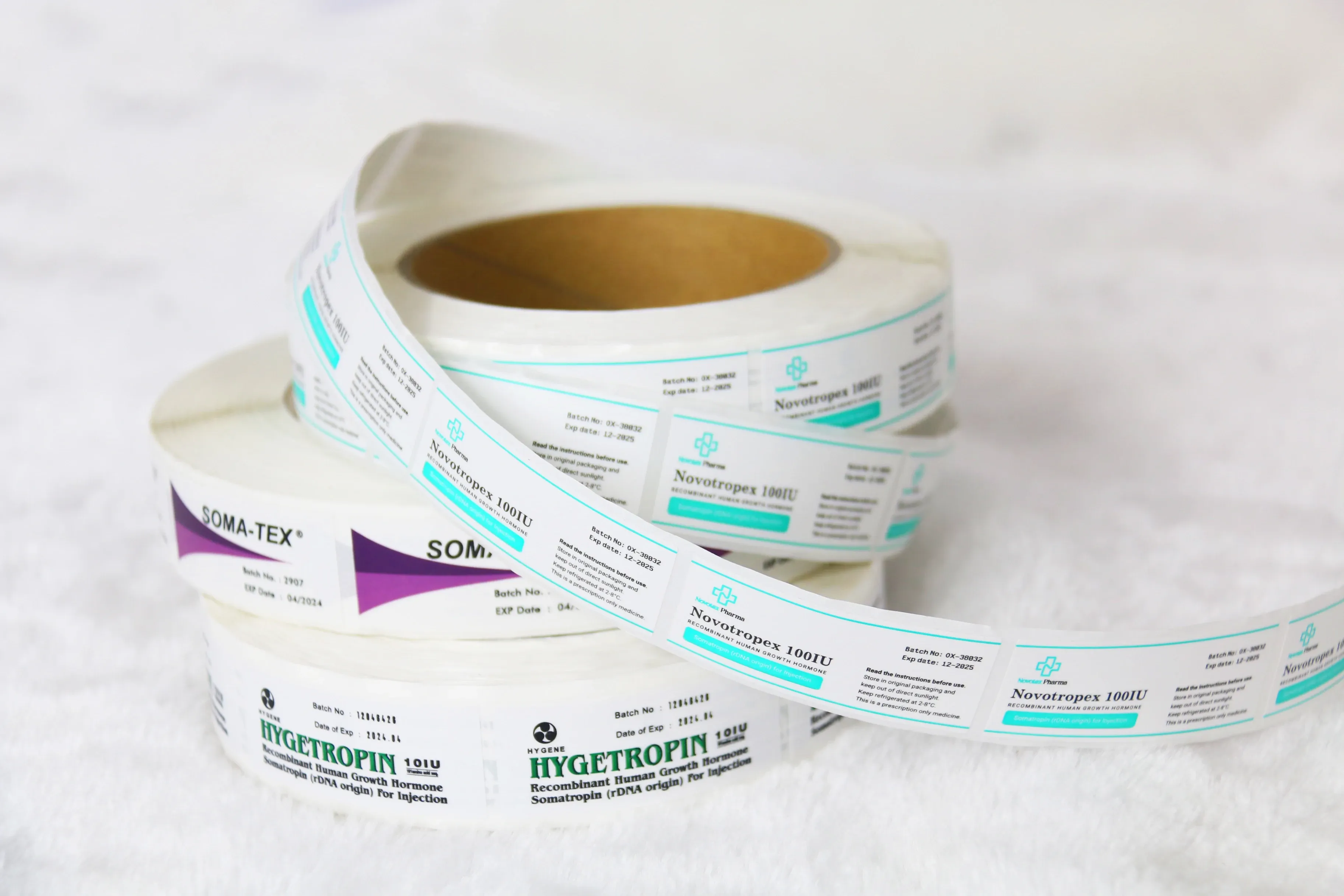
Labels are critical in Pharmaceutical Packaging because they carry dosage information, batch codes, and safety warnings. Flexo Printing performs exceptionally well for large-scale label production due to its speed and ink system adaptability. However, Digital printing becomes advantageous when variable data or frequent revisions are required. By pairing these strengths, pharma companies can support both large-volume production and fast-changing compliance needs.
Inserts, Leaflets, and Instructional Materials
Pharmaceutical leaflets and inserts demand extremely high text clarity and stability. Digital printing offers excellent control over small fonts, fine lines, and multi-language layouts. It is also ideal for producing multiple variations on demand. Offset printing remains a strong choice when leaflets require large production quantities, providing consistent quality and cost efficiency. The combination of Digital and Offset ensures that products with varying regulatory requirements can be managed smoothly.
Operational Considerations for Manufacturers and Brand Owners
Planning for Color Management and Brand Integrity
Pharmaceutical packaging must maintain visual consistency across all printing methods. Color standards must be confirmed early to avoid variations between Offset, Digital, and Flexo Printing outputs. Accurate color targets help ensure that medical professionals and patients can easily distinguish SKUs by color coding. Close coordination between brand owners and print teams enhances long-term consistency across materials and markets.
Aligning Artwork Preparation With Technical Requirements
Artwork preparation is a shared responsibility that significantly influences workflow speed. Ensuring dielines, text placement, and regulatory content remain stable minimizes the need for corrections. Offset, Digital, and Flexo Printing each require different file considerations, and preparing artwork according to the method used reduces approval cycles. This alignment leads to faster prepress processing and more predictable production outcomes.
Coordinating Multi-Method Printing Across Complex Packaging Families
Pharmaceutical packaging often uses multiple methods simultaneously—cartons in Offset, labels in Flexo Printing, and regulatory inserts in Digital. Coordinating these components requires consistent communication and shared technical references. When brand owners collaborate effectively with printing teams, they create unified packaging systems that maintain accuracy from design to distribution.
Table of Contents
- Foundations of Choosing the Right Printing Method for Pharma Packaging
- 1.Offset Printing Characteristics in Pharma Packaging
- 2.Digital Printing Capabilities in Pharma Packaging
- 3.Flexo Printing Applications in Pharma Packaging
- Comparing Offset, Digital, and Flexo Printing for Pharma Packaging
- Choosing the Appropriate Method for Specific Pharma Packaging Components
- Operational Considerations for Manufacturers and Brand Owners