
 EN
EN
Understanding the Real Foundations Behind Pharmaceutical Box Development
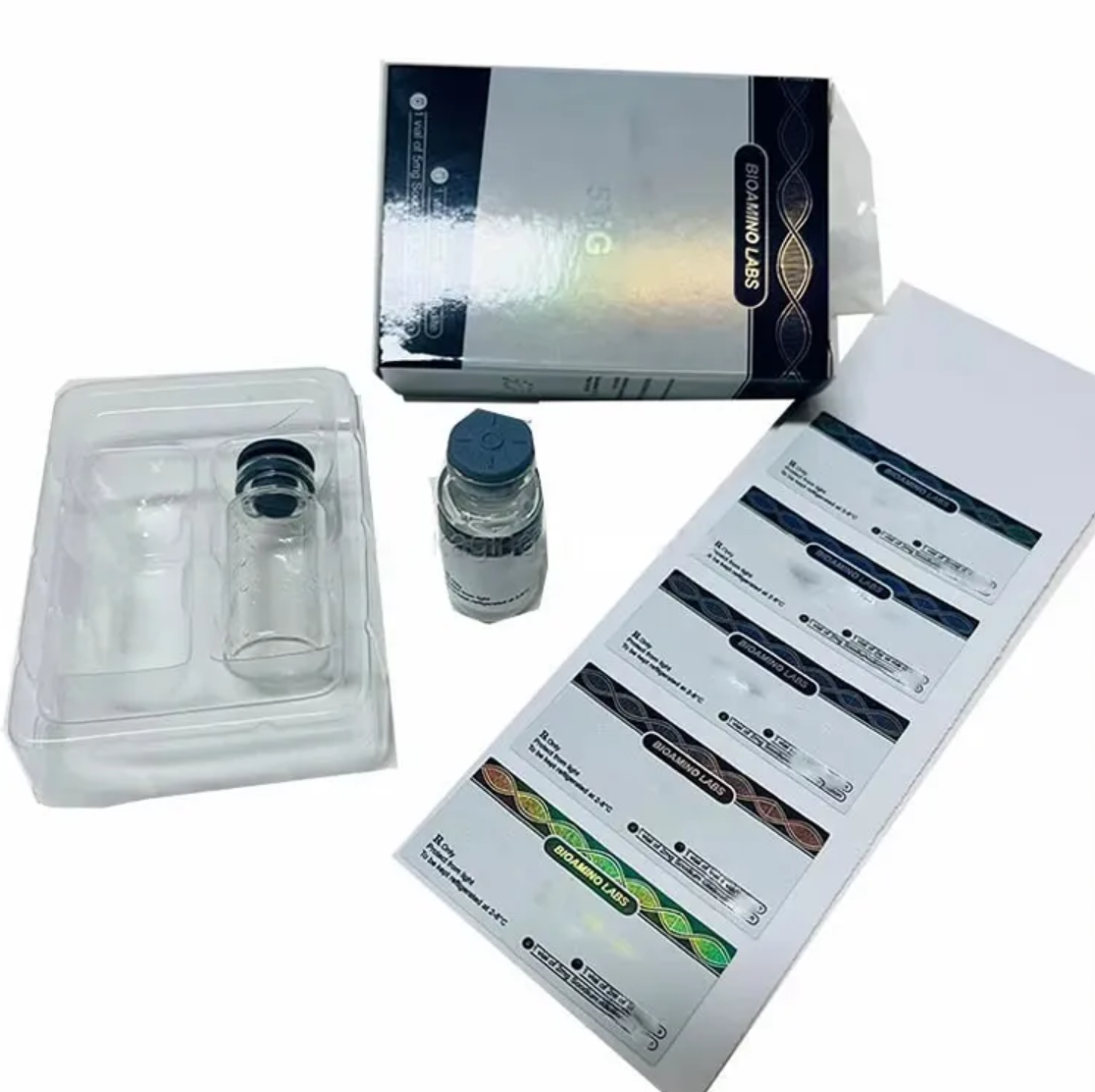
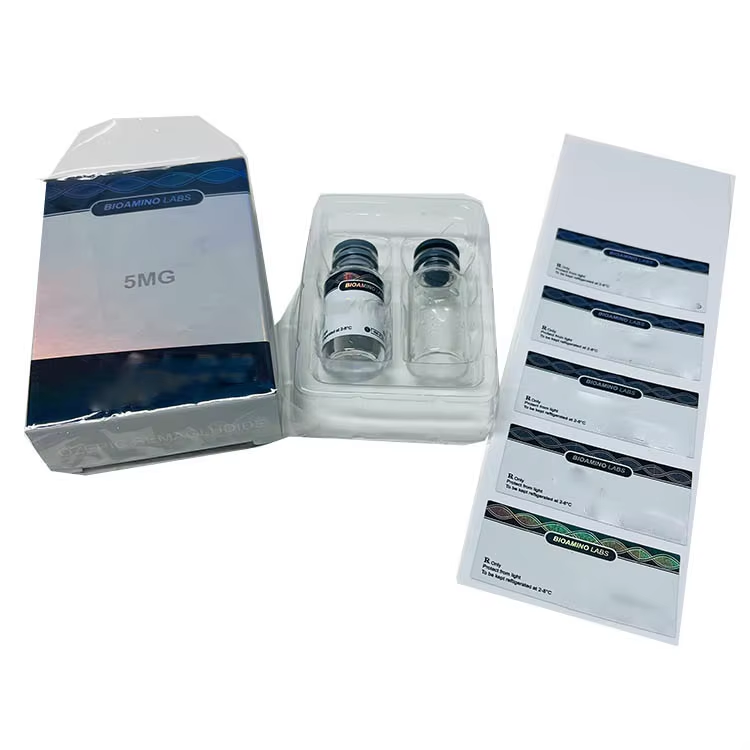
A Pharmaceutical Box is more than a simple container for tablets, vials, or medical devices. It is a regulated, engineered, multi-layered packaging component that influences product stability, brand compliance, operational efficiency, and supply chain integrity. When companies explore the development of a Pharmaceutical Box, the cost is defined not by numbers but by the components, decisions, and expectations built into every stage of the packaging lifecycle. Rather than discussing pricing figures, this guide explains the deeper structural and technical factors shaping how a Pharmaceutical Box is formed. These elements determine production pathways, manufacturing complexity, workflow planning, compliance considerations, and quality control intensity. By understanding the underlying drivers, brands can make informed decisions that streamline lead times, enhance quality, and reduce unnecessary risk in highly regulated markets.
Material Factors
Paperboard Selection and Performance Requirements
The foundation of every Pharmaceutical Box is the chosen paperboard, which directly affects structural integrity, print performance, compliance, and shelf presentation. Selecting SBS, white card, or micro-flute creates different visual outcomes, stiffness levels, and compatibility with folding or die-cutting processes. A Pharmaceutical Box designed for fragile glass vials may require stronger substrates, while a lightweight carton for blister packs can focus more on print accuracy and surface smoothness. Sustainability goals, recycled fiber content, and certifications shape material choices as well. Each requirement influences manufacturing steps, storage needs, and compliance documentation, all contributing to the overall formation of the Pharmaceutical Box.
Thickness, GSM, and Functional Durability
The thickness of the substrate determines how the Pharmaceutical Box behaves during folding, gluing, loading, and transit. A thicker board increases protection for delicate pharmaceutical units, while thinner boards improve machine efficiency and speed. This choice affects coating consumption, crease behavior, and transport weight. For markets requiring strict cold-chain logistics, board durability against humidity or condensation becomes essential. These functional demands define how the Pharmaceutical Box must perform across the supply chain and directly influence many production decisions without referencing any numerical pricing.
Sustainability, Certifications, and Compliance Documentation
Pharmaceutical brands increasingly require FSC certifications, recyclable structures, low-migration coatings, and eco-friendly inks. Each sustainability requirement influences sourcing, approval cycles, and material compatibility. A Pharmaceutical Box developed for regulated markets must align with local compliance standards, child-resistance expectations, and traceability requirements. Documentation, audits, and material traceability add controlled workflows that shape production planning. These non-pricing certifications influence how the Pharmaceutical Box is structured long before printing begins.
Structure and Engineering
Structural Style Complexity and Assembly Needs
The structural design of a Pharmaceutical Box determines how much engineering, testing, and setup are needed. A simple tuck-end style requires fewer steps than a crash-bottom or a reinforced locking system. When inserts, partitions, or protective holders are added, the workflow becomes more complex. Engineering teams must ensure that the Pharmaceutical Box protects the product during distribution while maintaining efficient packing performance on automated filling lines. Increased precision demands lead to more technical checkpoints, deeper tooling requirements, and more detailed approvals, shaping the full development process.
Insert Requirements and Internal Protection
Pharmaceutical products vary widely—vials, ampoules, bottles, syringes, and blister packs all require different handling standards. Some need internal holders to prevent movement, vibration, or impact. Inserts can be made from paperboard, PET, or eco-friendly alternatives. Each additional structural component increases design coordination and testing requirements. A Pharmaceutical Box with an integrated insert must pass transportation simulations, assembly checks, and stability validation, adding layers of engineering complexity.
Die-Cutting Difficulty and Tooling Precision
Die-cutting plays a critical role in the performance and appearance of a Pharmaceutical Box. Intricate cut lines, locking tabs, and window openings increase the technical demands of tooling. The more detailed the design, the more precise the die-cutting equipment must be. High-precision cuts are required to maintain structural consistency and compliance across thousands of units. Tooling complexity affects lead time, approval cycles, and quality control steps—not through pricing but through engineering capability and workflow depth.
Printing and Finishing
Printing Method and Production Workflow
Offset printing produces sharp, consistent graphics for large production runs, while digital printing supports flexible and multi-SKU orders. The chosen method influences setup time, color calibration, proofing requirements, and artwork preparation. A Pharmaceutical Box with strict regulatory content, batch numbers, multilingual warnings, and compliance icons requires precise alignment and stability across every print batch. Consistent color tone is essential for pharmaceutical branding, and maintaining this uniformity across SKUs leads to structured quality control checkpoints.
Lamination and Surface Treatments
Matte, gloss, and soft-touch laminations alter the tactile feel, protection level, and overall visual quality of the Pharmaceutical Box. These coatings influence scuff-resistance, moisture performance, barcode legibility, and regulatory readability. The selected finish also affects post-printing operations, as certain coatings interact differently with glues or finishing passes. The final lamination defines how the Pharmaceutical Box will resist abrasion during transport and storage, offering functional durability in pharmacies, warehouses, and distribution centers.
Special Effects, Multiple Passes, and Compliance Features
Foiling, embossing, debossing, or spot-UV accents require additional production passes. These added steps increase precision requirements, handling sensitivity, and approval stages. A Pharmaceutical Box incorporating tamper-evident elements or authentication labels needs specific finishing compatibility. Each effect contributes to the final aesthetic, brand positioning, and regulatory alignment. The depth and sophistication of finishing add complexity to the production workflow, shaping how the Pharmaceutical Box is ultimately formed.
Order Complexity
Multi-SKU Management and Version Control
Pharmaceutical brands often require multiple SKUs with similar dimensions but different regulatory text, dosage information, or serialized codes. Managing these differences requires a structured workflow to prevent mix-ups. The number of SKUs affects proofing cycles, printing plans, and scheduling efficiency. A Pharmaceutical Box with multiple variations must undergo separate approvals, color checks, and artwork verification steps. This level of organizational detail influences the operational structure without referencing pricing.
Artwork Adjustments and Change Cycles
Artwork differences between SKUs—such as active ingredient details, compliance updates, or regional language variations—impact production flow. Each artwork file must be checked for regulatory accuracy, font clarity, symbol placement, and color stability. These checkpoints define how quickly or slowly a Pharmaceutical Box progresses from prepress to printing. Every modification requires version control, documentation, and communication across teams, contributing to the formation of the final packaging.
Color Proofing, Validation, and Consistency Requirements
Pharmaceutical packaging demands strict visual consistency across batches. Color proofing ensures brand colors match approved standards and remain stable throughout production. Multiple rounds of proofing may be required depending on artwork density, gradient areas, or logo details. A Pharmaceutical Box designed for a regulated market must pass validation checks that confirm readability and consistency. These technical validations form a major component of production planning.
Logistics and Packaging
Export Carton Strength and Protection Level
A Pharmaceutical Box must remain intact through transportation, warehousing, and retail handling. Export carton strength influences how cartons are stacked and how well they protect the units inside. Higher protection levels are required for fragile pharmaceutical items. Carton specifications impact palletization, freight planning, and storage conditions. These logistical factors shape the broader system around the Pharmaceutical Box, determining how it is prepared for global shipment.
Pallet Configuration and Handling Requirements
Different regions and logistics partners require specific pallet types, including euro pallets, standard pallets, or fumigated options. Pallet configuration affects stacking patterns, compression strength needs, and how many Pharmaceutical Box units can be efficiently shipped. These handling requirements influence the final packaging approach and the structural planning of carton quantities and arrangements.
Labeling, Tracking, and Compliance Markings
Pharmaceutical supply chains require clear labeling, batch control, barcodes, QR codes, and regulatory marks. Label placement and legibility influence how cartons are oriented and how inventory is tracked through warehouses. A Pharmaceutical Box must integrate seamlessly with these labeling workflows. Labeling requirements shape packing line configuration, documentation needs, and inspection steps, integrating logistics into the formation of the overall packaging system.
Summary
A Pharmaceutical Box is shaped by its materials, structure, printing choices, SKU complexity, and logistical expectations. Each decision influences manufacturing workflows, compliance alignment, handling behavior, and product protection. Understanding these non-pricing components helps pharmaceutical brands optimize carton design, reduce risks, and improve efficiency across every stage from concept to delivery. A Pharmaceutical Box is not simply a printed board—it is a controlled, engineered packaging solution shaped by technical, regulatory, and operational factors.
Contact Hengxinmao for a tailored packaging proposal based on your exact design and regulatory needs.