
 EN
EN


Understanding the Structural Role of Folding Carton Packaging
A Folding Carton plays a crucial role across pharmaceutical, cosmetic, nutraceutical, and consumer goods industries, functioning not only as a protective container but also as a medium for regulatory information, branding, and product integrity. A well-engineered Folding Carton ensures structural stability, supports automated packing lines, enhances customer usability, and reinforces brand perception. When companies evaluate different structures, they often find that material choice, printing precision, and construction style directly influence compliance performance and shelf impact. This is why selecting an optimized Folding Carton structure can significantly improve product safety, operational efficiency, and end-user experience. Structural design ultimately determines how efficiently a product moves through production, how well it withstands logistics pressure, and how clearly information is communicated.
Common Folding Carton Structures
Tuck-End Folding Carton Designs
Tuck-end structures are among the most widely used Folding Carton formats due to their efficient assembly, economical production, and compatibility with automated filling equipment. These cartons can be produced with straight or reverse tuck closures, depending on whether brands prioritize speed, closure strength, or packing direction. Their lightweight nature makes them an excellent option for high-volume production without compromising stability. Companies across pharmaceuticals and cosmetics rely on this Folding Carton style because it performs well during stacking, barcode scanning, and retail display. The panels offer ample space for product data, instructions, or branding elements, supporting both compliance and marketing needs.
Crash Lock Bottom Folding Carton Styles
Crash lock bottom structures are selected when higher weight-bearing capacity is required. This Folding Carton design offers reinforced bottom strength that allows products such as glass vials, liquid bottles, or heavier medical devices to remain stable throughout transport. The bottom panel locks automatically during assembly, improving production throughput and reducing manual labor. Compared with simpler constructions, this Folding Carton style supports rapid line efficiency and prevents bottom collapse during handling or distribution. It is frequently preferred by manufacturers seeking durability and speed within the same structure.
Tray and Sleeve Folding Carton Systems
A tray and sleeve structure combines a rigid inner tray with an outer sliding sleeve, delivering premium presentation for high-value items. This Folding Carton configuration creates a sophisticated unboxing experience while maintaining the protective characteristics needed for sensitive products. Many brands choose this design when they require secure product positioning, enhanced graphics area, and strong shelf presence. The design’s dual-layer nature also improves product protection by reducing impact exposure during shipment. Its compatibility with inserts or partitions makes it an ideal solution for multi-component packaging needs.
Specialized Folding Carton Categories
Micro-Flute Folding Carton Construction
Micro-flute designs incorporate lightweight corrugated structures such as E-flute or F-flute, making them suitable for products that need more rigidity without transitioning to full corrugation. This Folding Carton style offers a balance between strength and printability, allowing brands to maintain high-definition graphics while improving compression resistance. The added structural depth enhances stacking safety and helps protect fragile items from vibration or pressure. Because micro-flute substrates support larger dimensions without deformation, they are often chosen for medical kits, combination products, or retail multipacks.
Blister-Compatible Folding Carton Solutions
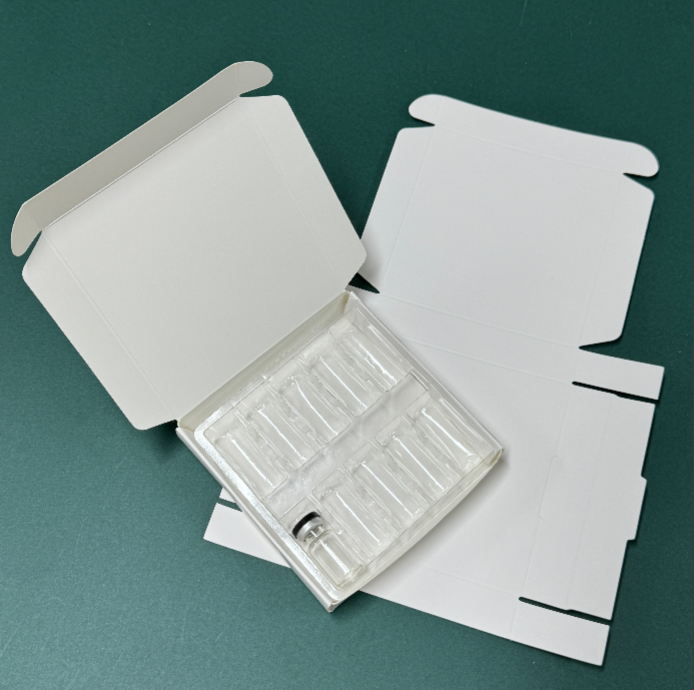
Blister-compatible cartons are engineered to work with thermoformed PVC or aluminum-plastic blister packs commonly used in pharmaceuticals. This Folding Carton structure integrates locking slots, reinforcement panels, or perforated features to hold blister sheets securely in place. The structural precision required for this design ensures alignment with blister cavities while maintaining easy access for end users. It also allows manufacturers to optimize secondary packaging without compromising medication safety. Consistent die-cutting and high-tolerance folding are essential to maintaining regulatory compliance for this category of Folding Carton.
Custom Structural Folding Carton Adaptations
Custom structures are developed when brands need very specific performance characteristics such as enhanced tamper-resistance, optimized machine-packing compatibility, or unique retail presentation. These Folding Carton formats may include multi-panel systems, lock-tab mechanisms, reinforced sidewalls, or shaped die-cuts that support both branding and protective requirements. Customization opens the door to tailored structural solutions that improve efficiency on high-speed lines or help differentiate products in crowded markets. Precision engineering ensures that every Folding Carton aligns with the intended use case and product dimensions.
Materials Used in Folding Carton Production
Paperboard Grades for Folding Carton Applications
Common materials include 350–400g white card, SBS C1S, CCNB grey back, and micro-flute corrugated grades. These substrates provide various levels of brightness, rigidity, and cost-efficiency. A Folding Carton made from SBS offers excellent print clarity for pharmaceutical and cosmetic applications, while CCNB supports cost-optimized packaging with acceptable rigidity. Micro-flute grades enhance impact resistance for larger formats. Each material choice influences the Folding Carton’s dimensional stability, machine compatibility, and regulatory suitability.
Label and Substrate Combinations for Integrated Packaging
When folding cartons are paired with product labels, substrate selection becomes part of the overall packaging system. Materials such as PP, PE, paper labels, and PET films help create a cohesive appearance across the entire product line. A Folding Carton that coordinates with clear or opaque labels ensures unified branding and improves the usability of multi-SKU pharmaceutical packaging. Material compatibility also affects adhesion quality and barcoding performance during logistics scanning.
Customization and Surface Finishes
Finishing Methods for Folding Carton Enhancement
Brands often apply matte or gloss lamination, soft-touch coatings, embossing, debossing, spot UV, or foil stamping to elevate the look and feel of a Folding Carton. Each technique enhances tactile and visual impact, turning the carton into a high-value communication tool. These methods strengthen brand identity while protecting printed surfaces from abrasion or moisture. Enhanced finishes help maintain premium appearance even under extensive handling in distribution channels.
Label Finishing Options for Complete Packaging Systems
Labels accompanying a Folding Carton may use varnishes, laminations, cold foils, or custom die-cut shapes to match the box design. A cohesive combination of carton and label finishing improves shelf visibility and ensures that compliance information remains legible throughout the product’s life cycle. These finishing methods reinforce durability while contributing to a unified packaging system that supports both marketing and regulatory goals.
Printing Technologies for Folding Carton Production
Offset and Digital Print Integration
Offset printing remains the primary method for high-quality Folding Carton production due to its color accuracy and cost efficiency for large volumes. Digital printing complements offset by enabling small batches, rapid prototyping, and multi-SKU variations without the need for plates. The combination of both technologies helps brands manage short-run items, seasonal launches, or controlled pharmaceutical batches. Maintaining consistency across print technologies is vital for brand coherence.
Flexo Systems and Color Management
Flexo printing supports label production and certain Folding Carton applications that require continuous-roll output. Its fast setup and variable-data capabilities enhance operational efficiency for regulated industries. Color management systems such as G7 and Pantone matching maintain accuracy across substrates and production platforms. Reliable color consistency reinforces brand trust, especially when multiple Folding Carton designs belong to the same product family.
Regulatory and Structural Compliance
Standards for Folding Carton Production
Pharmaceutical folding cartons must be produced within environments that comply with GMP requirements to ensure cleanliness, material safety, and traceability. A Folding Carton used for medication must meet FDA and EU standards related to legibility, stability, labeling, and tamper-evidence. Structural accuracy ensures that automated lines operate smoothly and that cartons protect sensitive contents during distribution.
Tamper-Evident Structural Features
Tamper-evident design elements such as tear lines, perforations, and lock tabs can be engineered directly into the Folding Carton structure. These features provide visible confirmation of package integrity and help brands meet regulatory expectations for patient safety. Incorporating tamper-resistant structures enhances trust and minimizes the risk of product interference.
Manufacturing Capabilities
High-Precision Folding Carton Production
Capabilities such as ISO-certified workshops, automated gluing equipment, advanced die-cutting lines, and multi-SKU management systems allow manufacturers to support complex packaging requirements. A Folding Carton produced under strict quality protocols demonstrates consistency across large batches and supports demanding pharmaceutical timelines. Automation ensures stable glue application, clean creases, and reliable structural performance.
Label and Multi-SKU Integration
Integrated label printing lines ensure that each Folding Carton is paired with accurate roll or sheet labels. This is essential for pharmaceutical brands managing extensive SKU portfolios. High-speed production supports both small-batch clinical runs and full-scale commercial orders. With fast delivery capabilities, manufacturers can help clients reduce inventory pressure and streamline product launches.
Quality Control for Folding Cartons
Inspection and Structural Verification
Quality control includes incoming material inspection, color consistency evaluation, glue strength testing, and die-cut accuracy measurement. A Folding Carton must pass stringent inspections before entering the packing line. Strength tests verify that the carton withstands compression, impact, and humidity changes. Adhesion tests ensure that labels paired with cartons maintain secure bonding throughout storage and transport.
Final Performance Testing
The final stage of quality assurance confirms that every Folding Carton meets structural, print, and regulatory criteria. Consistency across batches is essential for maintaining brand reliability and patient safety. With precise quality control, manufacturers ensure that packaging performs as intended in both manual handling and automated environments.
Packaging and Supply Chain Solutions
Logistics and Storage Considerations
Proper palletizing, moisture-controlled storage, and efficient line loading help maintain Folding Carton performance throughout the supply chain. Temperature-safe storage recommendations ensure the structural integrity of pharmaceutical cartons. Optimized packing strategies reduce damage risks and facilitate smoother distribution.
Lead Time Optimization and Global Support
Manufacturers offering flexible MOQs, rapid turnaround, and support for international shipping help brands accelerate time-to-market. A Folding Carton that is backed by efficient logistics ensures reliability across multiple countries. Coordinated supply chain solutions minimize delays and maintain production continuity.
Conclusion
Benefits of Choosing a High-Quality Folding Carton Partner
A skilled manufacturer provides structural engineering expertise, high-precision production, reliable regulatory compliance, and flexible printing solutions. Choosing a trusted Folding Carton supplier ensures consistent performance across global markets and supports product integrity at every stage. With strong capabilities, companies can deliver safe, professional, and visually appealing packaging that reinforces brand value.
Table of Contents
- Understanding the Structural Role of Folding Carton Packaging
- Common Folding Carton Structures
- Specialized Folding Carton Categories
- Materials Used in Folding Carton Production
- Customization and Surface Finishes
- Printing Technologies for Folding Carton Production
- Regulatory and Structural Compliance
- Manufacturing Capabilities
- Quality Control for Folding Cartons
- Packaging and Supply Chain Solutions
- Conclusion