
 EN
EN
Understanding Medicine Box Structure Types and Anti-counterfeiting Technologies
The structure and design of medicine boxes are crucial for the protection of pharmaceutical products and ensuring the safe handling and consumption of medications. As the pharmaceutical industry evolves, so does the need for advanced packaging solutions that provide security and prevent counterfeiting.
Medicine Box Structure Types
The structure of a medicine box plays an essential role in its functionality and appeal. Depending on the type of product being packaged, different box structures are designed to provide the necessary protection, ease of use, and aesthetic appeal. Below are the most common types of medicine box structures used in the pharmaceutical industry.
Slot Box
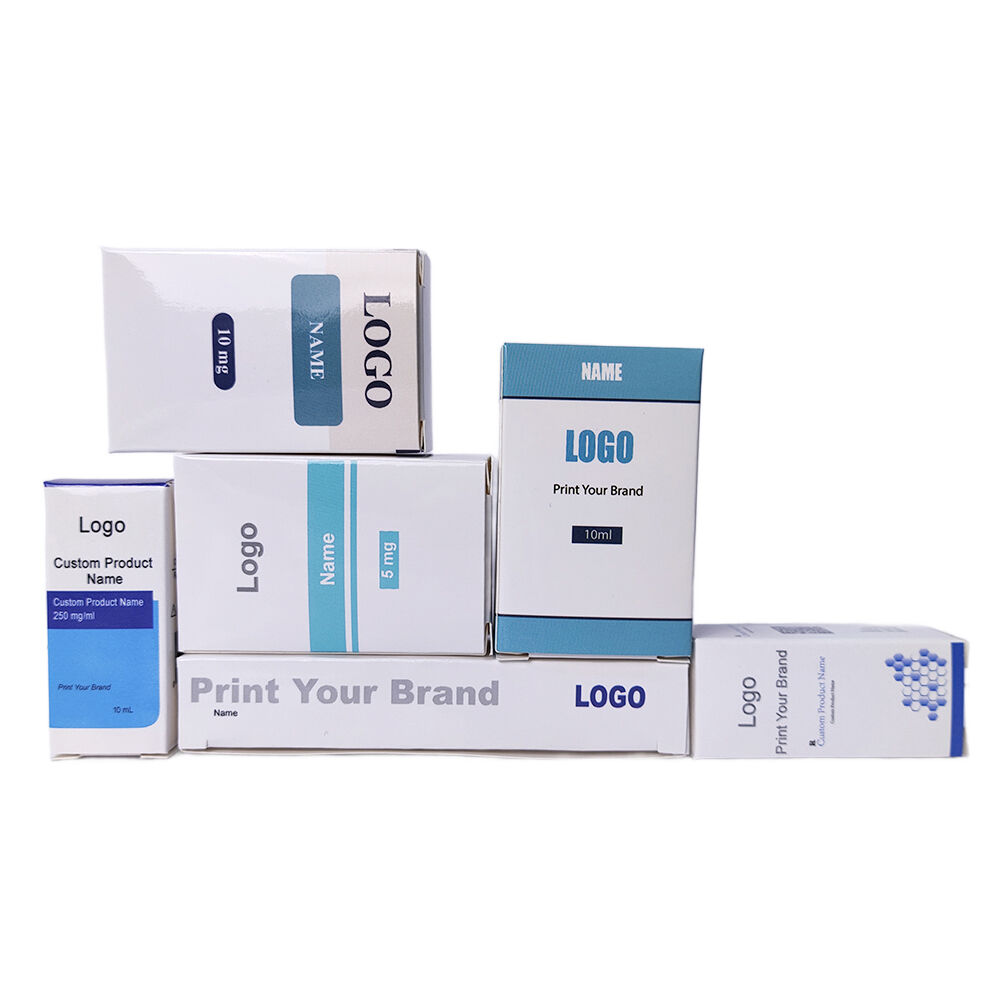
Slot boxes are one of the simplest and most cost-effective packaging solutions. These boxes are designed with slots that interlock to form the box, making them easy to assemble. They are often used for smaller pharmaceutical products, such as blister packs of tablets, vials, and other small-sized medications.
One of the key advantages of slot boxes is their efficiency in packaging and space-saving design. The slot box structure is also highly customizable, allowing manufacturers to adjust the size and shape of the box to suit different product types. While slot boxes are relatively simple in design, they are effective at protecting the product from external elements, such as moisture and light.
Drawer Box
Drawer boxes offer a more secure and premium packaging solution compared to slot boxes. These boxes have a sliding drawer mechanism, which allows the user to pull open the box like a drawer. Drawer boxes are typically used for higher-end pharmaceutical products, such as specialized medications or health supplements.
The main benefit of drawer boxes is their ability to provide an enhanced user experience. The drawer design makes it easy to access the product without having to remove the entire box, which is particularly useful for medications that need to be dispensed multiple times. Additionally, the sturdy and secure design of drawer boxes offers a higher level of protection compared to simpler packaging types, making them ideal for high-value products.
Top and Bottom Lid Box
Top-and-bottom lid boxes are commonly used for larger pharmaceutical products or those that require additional protection. These boxes consist of a top lid that fits over the bottom base, providing a secure and easy-to-assemble packaging solution. The top and bottom lid box structure is versatile, offering excellent durability while being relatively simple to produce.
This type of packaging is commonly used for products that need to be transported safely or those with more complex shapes. The sturdy design of top-and-bottom lid boxes ensures that the contents remain secure during shipping and handling. Furthermore, these boxes are highly customizable, allowing for branding opportunities and unique designs that can help differentiate the product on store shelves.
Anti-counterfeiting Technologies for Pharmaceutical Packaging
With the rising threat of counterfeit medications, the pharmaceutical industry has invested heavily in packaging technologies that protect consumers and healthcare providers. Anti-counterfeiting measures are essential for ensuring the authenticity of pharmaceutical products and maintaining trust in the brand. Below are some of the most effective anti-counterfeiting technologies used in pharmaceutical packaging.
QR Code Traceability Codes
QR codes have become one of the most widely used anti-counterfeiting measures in pharmaceutical packaging. These codes can be scanned with a smartphone or specialized device, providing consumers and healthcare professionals with instant access to product information, including its origin, batch number, and authenticity status. By linking the QR code to a centralized database, manufacturers can track the movement of the product through the supply chain and identify any instances of tampering or fraud.
One of the main advantages of QR codes is their ease of use. Consumers can quickly scan the code to verify the authenticity of the product, ensuring that they are receiving a legitimate medication. QR codes also provide a cost-effective solution for manufacturers, as they can be printed directly on the packaging without requiring significant changes to the existing design.
Laser Anti-counterfeiting Film
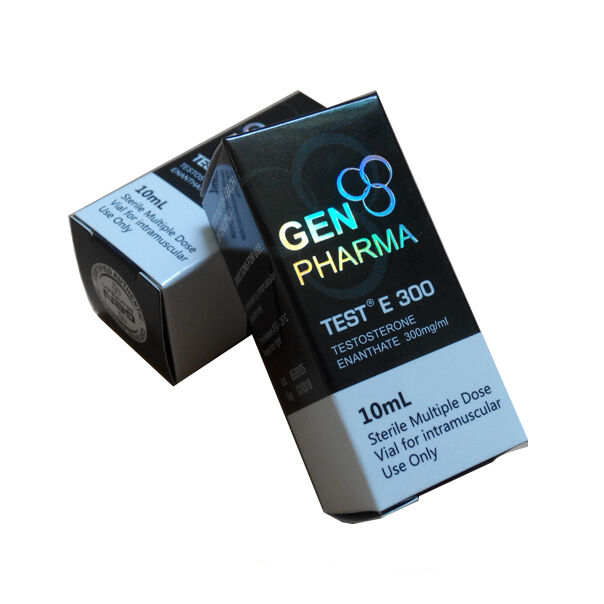
Laser anti-counterfeiting film is another effective measure used to prevent the counterfeiting of pharmaceutical products. This film is applied to the packaging surface, and when exposed to a laser, it reveals a hidden security feature, such as a holographic image or text. These features are difficult to replicate, making them an effective deterrent against counterfeiters.
Laser anti-counterfeiting film is often used on medicine boxes and labels, providing an additional layer of security that is not easily visible to the naked eye. This makes it particularly useful for products that are highly susceptible to counterfeiting, such as high-value medications or those with a significant global market.
Invisible UV Ink
Invisible UV ink is a special type of ink that can only be seen under ultraviolet light. This ink is used to print hidden security features on pharmaceutical packaging, such as serial numbers, logos, or product codes. The use of invisible UV ink adds another layer of protection against counterfeiting, as it is almost impossible for counterfeiters to replicate the UV ink without specialized equipment.
Invisible UV ink can be applied to both medicine boxes and labels, ensuring that the product’s authenticity can be verified under controlled conditions. Healthcare providers and regulatory authorities can use UV lights to check the integrity of the packaging and ensure that the product has not been tampered with.
Electronic Supervision Codes
Electronic supervision codes, also known as RFID (Radio Frequency Identification) tags, are an advanced anti-counterfeiting technology that allows for real-time tracking of pharmaceutical products. These electronic tags contain embedded chips that store information about the product, such as its origin, batch number, and expiration date. When scanned, the RFID tag transmits this information to a central database, allowing manufacturers and regulatory authorities to monitor the product’s movement through the supply chain.
RFID technology offers several advantages over traditional anti-counterfeiting measures, such as QR codes. It allows for more accurate tracking of products in real time and can be used to monitor the condition of the product during transportation. Electronic supervision codes also help to reduce the risk of fraud and theft by providing an additional layer of security that cannot be easily bypassed.
FAQ
What are the advantages of using a drawer box for pharmaceutical packaging?
Drawer boxes provide a premium, secure, and user-friendly packaging solution. They are ideal for high-value pharmaceutical products that require easy access, offering a convenient slide-out design. Drawer boxes also provide additional protection, ensuring the medication is securely housed during transport.
How does QR code traceability help in preventing counterfeit drugs?
QR code traceability allows consumers and healthcare providers to quickly verify the authenticity of a product. By scanning the QR code, users can access detailed product information and confirm that the product has not been tampered with. This traceability feature significantly reduces the risk of counterfeit drugs entering the market.
What is the role of laser anti-counterfeiting film in pharmaceutical packaging?
Laser anti-counterfeiting film provides a hidden security feature that can only be revealed under specific conditions, such as exposure to a laser. This makes it highly difficult for counterfeiters to replicate and adds an additional layer of security to the packaging, protecting both the product and consumers.