
 EN
EN
A Comprehensive Guide to Drug Label Materials and Printing Standards
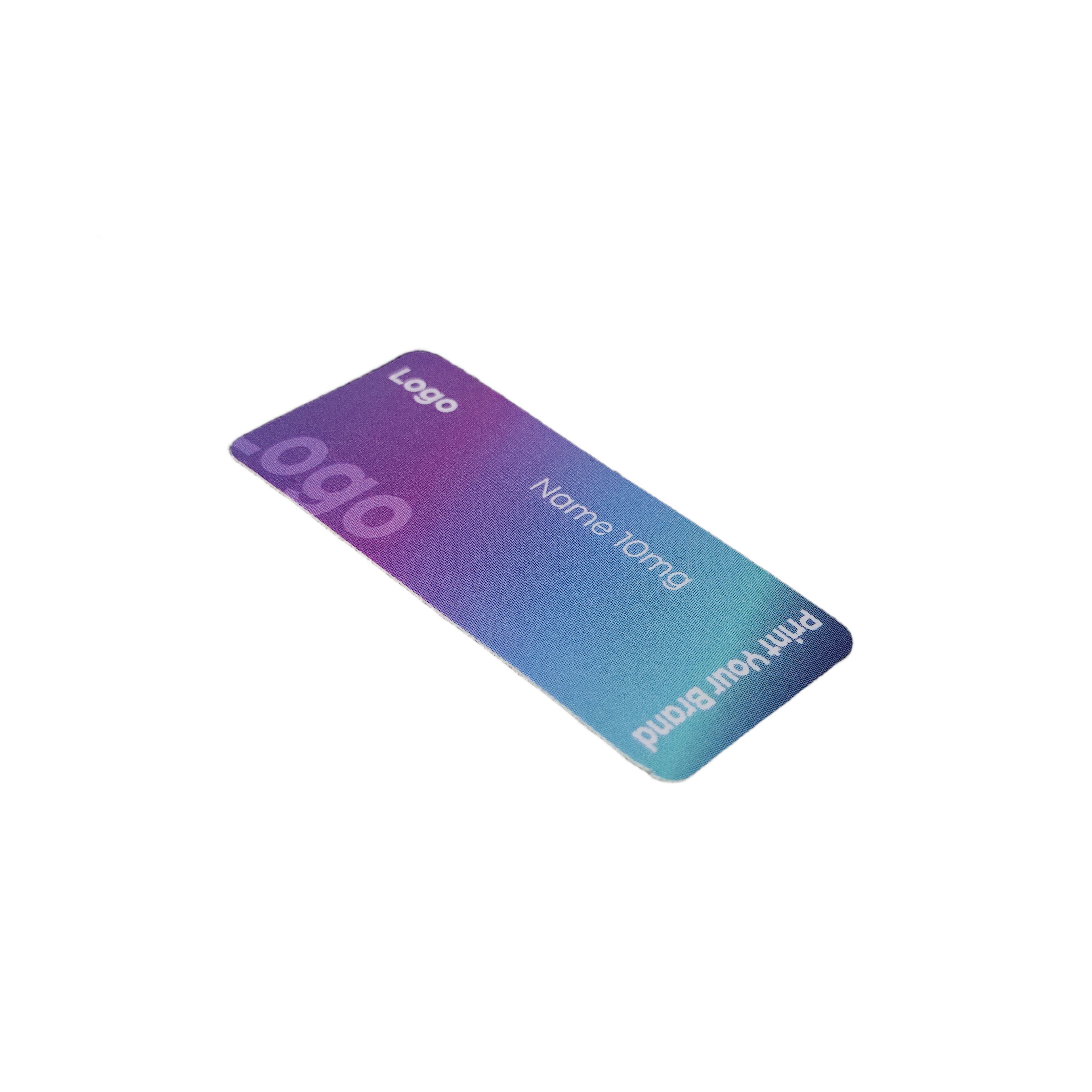
In the pharmaceutical industry, the materials used for drug labels play a crucial role in ensuring the protection, safety, and accuracy of the product information. Labels not only provide essential drug details but also protect the product from tampering and enhance its shelf appeal. Choosing the right materials and ensuring compliance with printing standards are critical for pharmaceutical companies.
Drug Label Materials
When it comes to drug label materials, there are various options available, each with its unique features. The choice of material directly impacts the durability, appearance, and functionality of the label. Let’s explore some of the most commonly used materials for drug labels.
Coated Paper
Coated paper is one of the most popular materials used for pharmaceutical labels. It has a smooth, glossy finish that allows for high-quality printing, ensuring the information is clear and legible. Coated paper labels offer excellent ink adhesion, making them suitable for both small and large pharmaceutical products.
The coating on the paper helps to enhance the brightness and sharpness of the printed text, ensuring that critical information, such as dosage instructions and expiration dates, remains visible throughout the product’s shelf life. Coated paper is particularly useful for products that require a clean, professional, and high-quality finish, such as over-the-counter medications.
Self-adhesive Labels
Self-adhesive labels are widely used in pharmaceutical packaging due to their ease of application. These labels consist of a paper or plastic backing material with a pressure-sensitive adhesive that bonds when applied to the surface. Self-adhesive labels are ideal for packaging products that need to be labeled after the packaging process, such as custom-made medications or small batch productions.
One of the key benefits of self-adhesive labels is their versatility—they can be used on a wide range of materials, including glass, plastic, and metal. These labels are also resistant to tearing and are often waterproof, making them suitable for pharmaceutical products that need to withstand handling and transportation. Additionally, self-adhesive labels can be designed to include security features like tamper-evident seals, ensuring the integrity of the product.
PET (Polyethylene Terephthalate)
Polyethylene Terephthalate (PET) is a durable, lightweight, and transparent material that is often used for pharmaceutical labels. PET labels are resistant to moisture, chemicals, and UV light, making them an excellent choice for products that require long shelf lives or exposure to harsh environmental conditions. PET labels are commonly used for medications that are stored in humid environments or need to be resistant to fading due to sunlight exposure.
One of the benefits of PET labels is their clarity and high-quality appearance. They can be printed with vibrant colors and fine details, making them ideal for premium pharmaceutical products. PET is also flexible, allowing it to adhere to curved or irregular surfaces without compromising its functionality.
PVC (Polyvinyl Chloride)
PVC labels are another commonly used material in pharmaceutical packaging. PVC is known for its durability and resistance to wear and tear, making it ideal for pharmaceutical products that require long-lasting labeling. PVC labels are commonly used for medications that need to be stored in conditions where they may be exposed to moisture or rough handling.
PVC labels also offer excellent print quality and can be easily customized to include branding, product details, and regulatory information. However, they are less flexible than PET labels and may be more prone to cracking in extremely low temperatures.
Easy-tear Film
Easy-tear film is used for packaging that requires tamper-evident seals or easy-to-open features. This material is particularly useful for over-the-counter medications, where ease of access is important without compromising the product’s integrity. Easy-tear film is designed to be easily ripped open, making it convenient for consumers to access the medication while maintaining the security of the packaging.
Easy-tear film labels are often used for blister packs, bottle seals, and other small pharmaceutical packages. They can be printed with important information like dosage instructions, expiration dates, and barcodes. Additionally, the tamper-evident feature ensures that any unauthorized access to the product is easily detectable.
Standards for Printing Pharmaceutical Labels
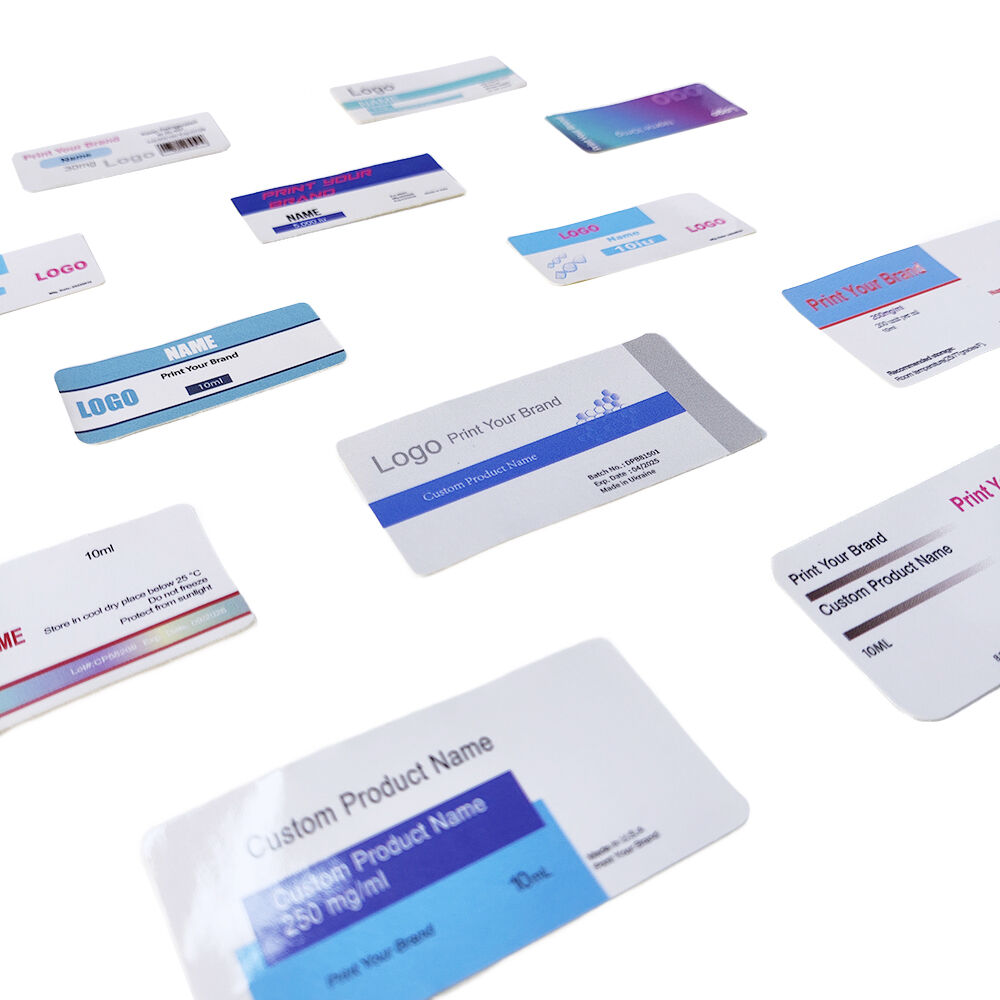
The printing of pharmaceutical labels is subject to various standards and regulations to ensure the accuracy and safety of the information provided. These standards govern everything from the materials used to the quality of the printing process. Let’s look at some key printing standards for pharmaceutical labels.
Die-cutting Accuracy
Die-cutting is a critical process in label printing, as it involves cutting the label material into specific shapes and sizes. For pharmaceutical labels, die-cutting must be accurate to ensure that the label fits the packaging perfectly and aligns with regulatory requirements.
Inaccurate die-cutting can lead to misalignment, which may affect the readability of important information such as dosage instructions or warnings. It is crucial to use high-quality die-cutting machines that can consistently produce precise cuts. Additionally, the die-cutting process must be thoroughly tested to ensure that the labels are correctly applied to the packaging without damaging the printed information.
Adhesion Testing
Adhesion testing is an essential step in the label printing process to ensure that the label stays attached to the packaging throughout its lifecycle. Pharmaceutical labels must withstand various conditions, including temperature changes, moisture, and friction during transportation and handling.
The adhesion of self-adhesive labels is particularly important, as poor adhesion can result in the label peeling off, which may compromise the product's integrity and violate regulatory standards. Adhesion testing involves applying labels to different surfaces and subjecting them to various stress tests, such as exposure to heat or cold, moisture, and abrasion. Only labels that pass these tests are approved for use in pharmaceutical packaging.
Waterproof/Anti-detachment Treatment
Waterproof and anti-detachment treatments are essential for pharmaceutical labels, particularly those that are exposed to moisture or chemicals. Waterproof labels ensure that the printed information remains legible and intact, even in humid or wet environments. Anti-detachment treatments prevent labels from peeling off the packaging, ensuring that the label stays securely attached during the product’s shelf life.
In pharmaceutical packaging, waterproof and anti-detachment treatments are often applied to labels that are used on bottles, vials, and blister packs. These treatments help to maintain the integrity of the product and the accuracy of the information provided to consumers and healthcare professionals.
FAQ
What are the main advantages of using self-adhesive labels for pharmaceutical products?
Self-adhesive labels offer several benefits, including ease of application, versatility, and resistance to tearing. They are suitable for a wide range of packaging materials, including glass, plastic, and metal. Additionally, self-adhesive labels can be printed with tamper-evident features to ensure product integrity.
How do I choose the right label material for my pharmaceutical products?
The choice of label material depends on factors such as the type of product, its packaging, and the environment it will be exposed to. Coated paper is ideal for high-quality printing, while PET and PVC are better for products that need resistance to moisture and UV light. Self-adhesive labels offer flexibility, and easy-tear film is best for tamper-evident packaging.
Why is die-cutting accuracy important for pharmaceutical labels?
Die-cutting accuracy is essential to ensure that the labels fit the packaging properly and that the printed information is aligned correctly. Inaccurate die-cutting can lead to misalignment, which may affect the legibility of important information and impact regulatory compliance.
How can I ensure that my pharmaceutical labels meet the required printing standards?
To ensure compliance with printing standards, it’s important to use high-quality materials, conduct adhesion testing, and ensure die-cutting accuracy. Waterproof and anti-detachment treatments are also essential for labels that need to withstand harsh environmental conditions.
Table of Contents
- A Comprehensive Guide to Drug Label Materials and Printing Standards
- Drug Label Materials
- Standards for Printing Pharmaceutical Labels
-
FAQ
- What are the main advantages of using self-adhesive labels for pharmaceutical products?
- How do I choose the right label material for my pharmaceutical products?
- Why is die-cutting accuracy important for pharmaceutical labels?
- How can I ensure that my pharmaceutical labels meet the required printing standards?