
 EN
EN
Selecting the right packaging for a pharmaceutical or healthcare product is a high-stakes decision that balances scientific requirements, regulatory mandates, and the user experience. For products such as 10ml vial injectables, peptide powders, and specialized steroids, the packaging is more than a container—it is a critical protective barrier and an information delivery system.
Decision-makers must weigh numerous variables that go far beyond simple cost-per-unit metrics. From the chemical compatibility of a waterproof vial label to the structural integrity of a multi-compartment medical box, every choice impacts the product's shelf life and patient safety. This article explores the strategic factors that influence packaging decisions, focusing on materials, structural engineering, and supplier selection.
1. Material vs. Usability: The Science of Selection
What is the first key decision in pharmaceutical packaging design?
Chemical Stability and Barrier Properties
The primary function of packaging is protection. For sensitive compounds stored in 10ml glass vials, the choice of label and box material is dictated by the storage environment.
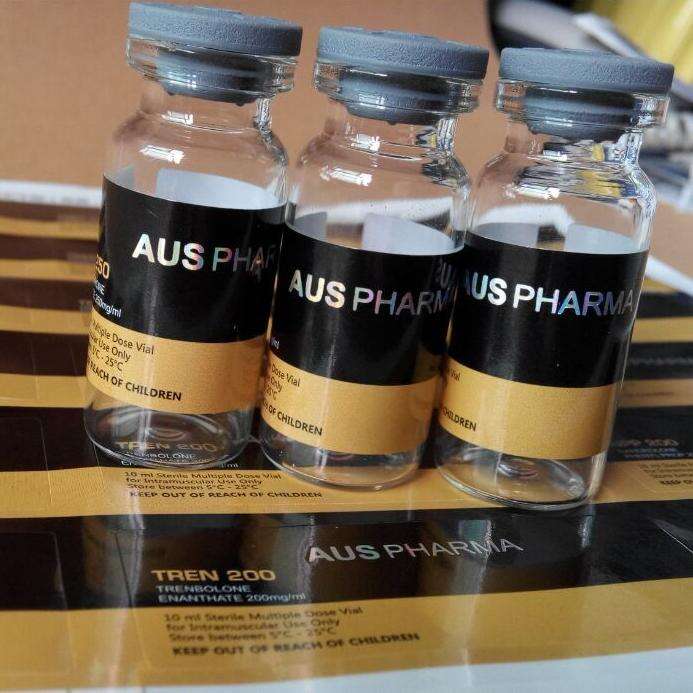
Substrate Compatibility: Decisions are influenced by whether a product requires cold-chain storage. For vials kept in freezers, the decision-factor is the adhesive's performance at sub-zero temperatures. A self-adhesive medical label must be chosen based on its ability to resist "winging" or peeling when exposed to moisture and cold.
Light and Oxygen Sensitivity: If a drug is photosensitive, the decision leans toward heavy-gauge, high-opacity paperboards for the custom box to ensure no UV light reaches the vial, even if the primary container is clear glass.
Tactile Usability and Grip
Material choice directly affects how a patient handles the medication.
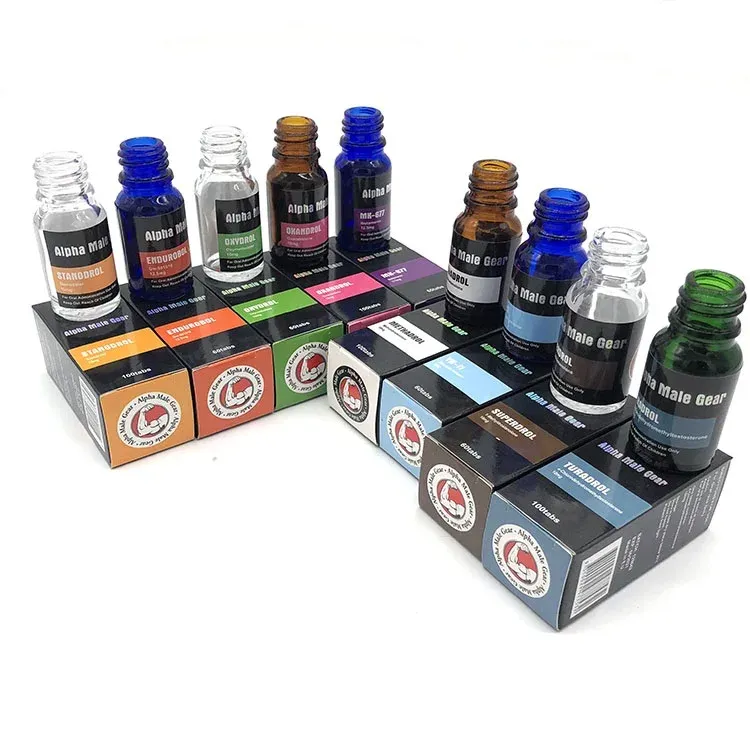
Matte vs. Glossy Finishes: While glossy finishes are common, the decision to use matte lamination is often driven by usability. Matte surfaces provide better grip and reduce glare under bright hospital lights, making it easier for a clinician to read the dosage on a vial sticker.
Synthetic vs. Paper Labels: For products frequently handled with gloved or wet hands, the decision often shifts toward waterproof synthetic materials (like BOPP or Vinyl) over traditional paper, ensuring the label remains intact and legible throughout its lifecycle.
Sustainability Goals
Environmental impact is now a major factor in material selection. Decision-makers must evaluate the "circularity" of their materials. This involves choosing between traditional plastic-heavy packaging and FSC-certified recyclable paperboards that meet medical-grade standards while reducing the brand's carbon footprint.
2. Structural Choices vs. Complexity: Engineering for Efficiency
The architecture of a box or tray determines how the product moves through the supply chain and how it is received by the user. Greater structural complexity can offer better protection but may introduce challenges in production speed.
Integrated Protection: Trays and Inserts
For fragile items like 2ml or 10ml glass vials, the internal structure is as important as the outer box.
Custom-Fitted Trays: The decision to use an integrated paper tray or a plastic insert is based on the fragility of the product and the "drop-test" requirements. A modular, custom-fitted tray ensures that vials do not clink together during transit, preventing micro-cracks in the glass.
Partitioning for Multi-Component Kits: When a kit contains a vial, a syringe, and a digital leaflet, the structural complexity increases. The decision here is to design a layout that guides the user through the components in the correct chronological order, effectively "engineering" the treatment process into the box structure.
Assembly Speed and Supply Chain Readiness
Packaging structures are often chosen based on the manufacturer's internal capabilities.
Auto-Lock vs. Manual Assembly: For high-volume production, the decision favors auto-lock bottom boxes. These structures arrive flat (saving shipping space) but "pop" into shape instantly, reducing labor time on the assembly line.
Foldable vs. Rigid Boxes: While rigid boxes offer a premium feel, foldable paper boxes are often the strategic choice for global logistics due to their ability to be shipped in bulk at a significantly lower volume, maximizing warehouse efficiency.
Anti-Counterfeit Integration
Security is a non-negotiable factor in pharmaceutical structural design.
Tamper-Evident Seals: The decision to incorporate perforated "tear-away" strips or holographic security stickers over the box flaps is driven by the need to guarantee product integrity to the patient.
Unique Die-Cuts: Some brands opt for complex, unique die-cut shapes that are difficult for counterfeiters to replicate, using the physical structure itself as a first-line security feature.
3. Strategic Supplier Evaluation Questions
The final, and perhaps most critical, factor in packaging decisions is choosing the right manufacturing partner. A supplier for pharmaceutical packaging must be evaluated on their technical rigor and their ability to manage complexity.
Technical Competence and Quality Control
When evaluating a supplier for vial labels and medical boxes, the first set of questions should focus on their error-prevention protocols.
"What automated optical inspection (AOI) systems do you use to detect printing errors on high-volume label runs?"
"How do you manage version control across multiple SKUs to ensure an outdated design is never printed?" Working with a supplier that utilizes digital proofing systems and 100% camera-verified inspections is essential for risk mitigation.
Material Sourcing and Compliance
A strategic partner must be able to verify the origin and safety of their materials.
"Are your paperboards medical-grade and FSC-certified?"
"Can you provide data on the chemical resistance and adhesive strength of your labels under cold-chain conditions?" The ability to provide RoHS or ISO-compliant documentation is a key differentiator when selecting a supplier for regulated markets.
Scalability and Project Management
Pharmaceutical projects often scale from small clinical trials to massive commercial launches.
"What is your process for managing Multi-SKU projects with varying regional requirements?"
"Can you provide 'Late-Stage Customization' services, such as over-printing batch data on pre-manufactured boxes?" A supplier that offers modular design consultation and can handle both small and large-scale orders provides the flexibility needed for a dynamic product lifecycle.
Conclusion: Balancing the Variables
Packaging decisions in the pharmaceutical industry are rarely about a single factor. Instead, they are the result of a complex negotiation between material science, structural engineering, and strategic partnership.
By prioritizing usability alongside protection, choosing structures that optimize the supply chain, and asking the right evaluation questions, brands can ensure that their packaging—from the hologram sticker on the cap to the custom paper box on the shelf—serves as a reliable, high-quality extension of the medicine it contains.
Ultimately, the best packaging decision is one that protects the product, empowers the patient, and reinforces the brand's commitment to healthcare excellence.
Want to learn about the future of smart, sustainable, and user-friendly packaging? Check out our latest article for the full scoop!