
 EN
EN
Understanding the Drug Label Printing Process and International Packaging Standards
The process of drug label printing and layout design is an essential aspect of pharmaceutical packaging. It not only ensures that the information on the label is accurate and legible but also complies with various regulatory requirements that differ by region. This is especially important when exporting pharmaceutical products, as the regulations vary significantly between regions like Europe, the US, and the Middle East. Additionally, the inclusion of multilingual elements, especially Arabic typography considerations, can further complicate the process.
Vial Label Printing Process
The vial label printing process is a critical step in pharmaceutical packaging. It involves several stages to ensure that the final product meets regulatory standards while providing essential information to the consumer and healthcare professionals. The process must be precise, as any error could lead to incorrect medication usage or legal compliance issues.
Label Design
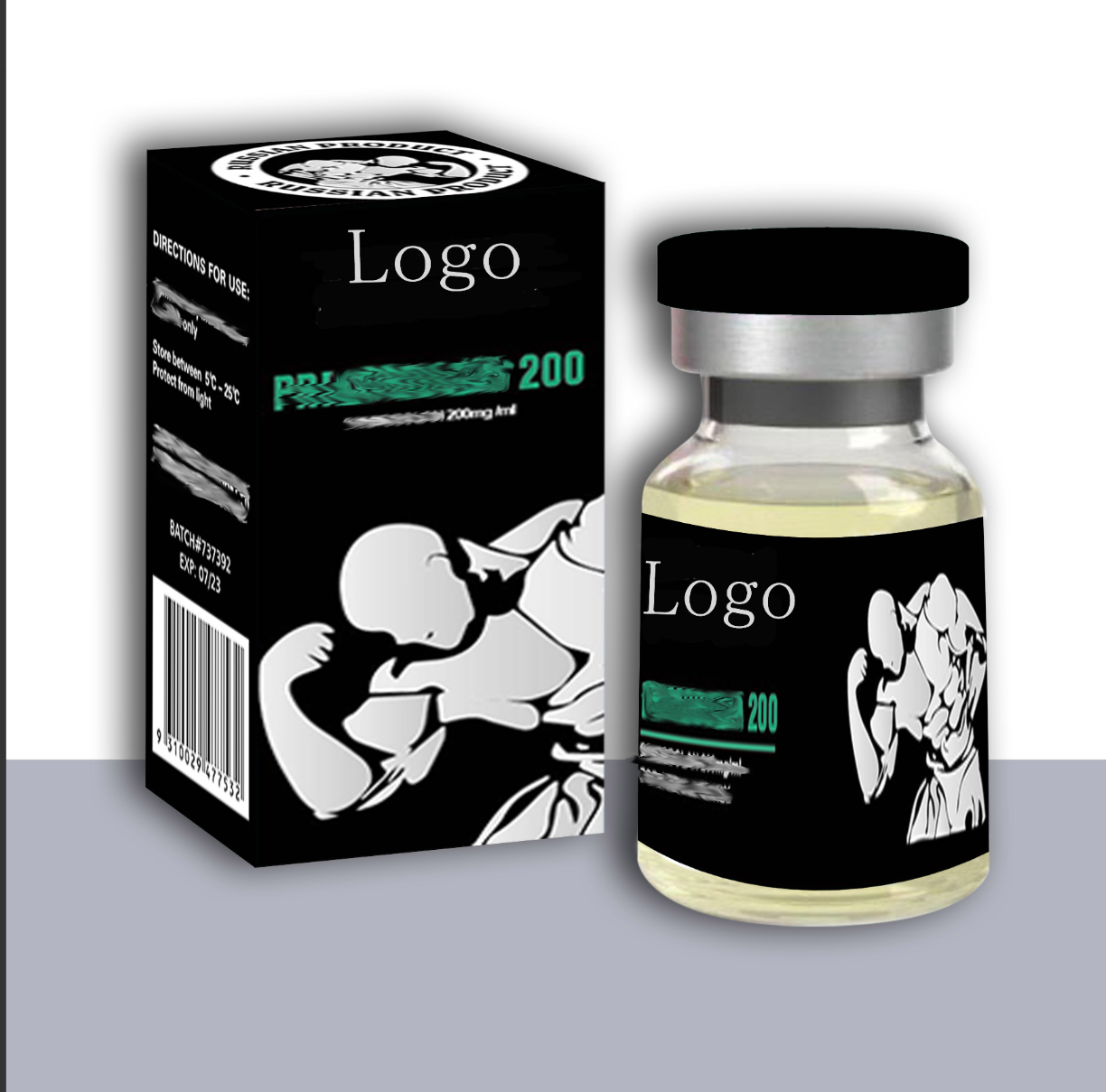
The label design is the foundation of the printing process. This stage involves choosing the layout, font, colors, and overall aesthetic that will be applied to the drug packaging. In pharmaceutical packaging, it is essential that the design is clear, functional, and able to convey critical information such as dosage instructions, active ingredients, warnings, and expiration dates.
The design must also consider the regulatory requirements for the region in which the product will be sold. For example, certain colors and font sizes may be mandated to ensure clarity and readability, especially for important safety information. Label designs for international markets must also consider multilingual requirements and region-specific symbols or icons.
Proofing and Approval
Before the actual printing begins, proofing is a necessary step to confirm that the label meets both design and regulatory standards. Proofing involves reviewing a printed or digital sample to check for any design or text errors. This is particularly important in the pharmaceutical industry, as even a small mistake can have serious implications for patient safety.
Once the design has been proofed and any necessary changes have been made, the label will be approved for printing. This stage is critical to avoid delays in production and ensure that the product can be launched on time.
Printing and Finishing
The printing stage involves transferring the label design onto the label material using various printing technologies, such as offset, flexographic, or digital printing. The choice of printing technology depends on factors such as the volume of labels required and the type of material used for the labels.
After printing, the labels may go through finishing processes such as die-cutting, laminating, and UV coating. Die-cutting ensures the label fits precisely onto the packaging, while lamination adds durability and resistance to wear and tear. UV coating can be applied to enhance the visual appeal and protect the printed information from fading.
Label Application
Once the labels are printed and finished, they are applied to the pharmaceutical packaging. This can be done manually or through automated systems, depending on the production scale. The application must be precise to ensure that the label is correctly placed on the packaging without any misalignment or wrinkles.
For pharmaceutical products, especially those that are distributed globally, the labeling process must ensure that all regulatory requirements are met, including those specific to different countries and regions.
Export Pharmaceutical Packaging Regulations
When exporting pharmaceutical products, manufacturers must comply with various regulations and standards specific to the target market. These regulations ensure that the packaging is suitable for the region and that the information provided is clear and compliant with local laws.
FDA Requirements for Pharmaceutical Packaging
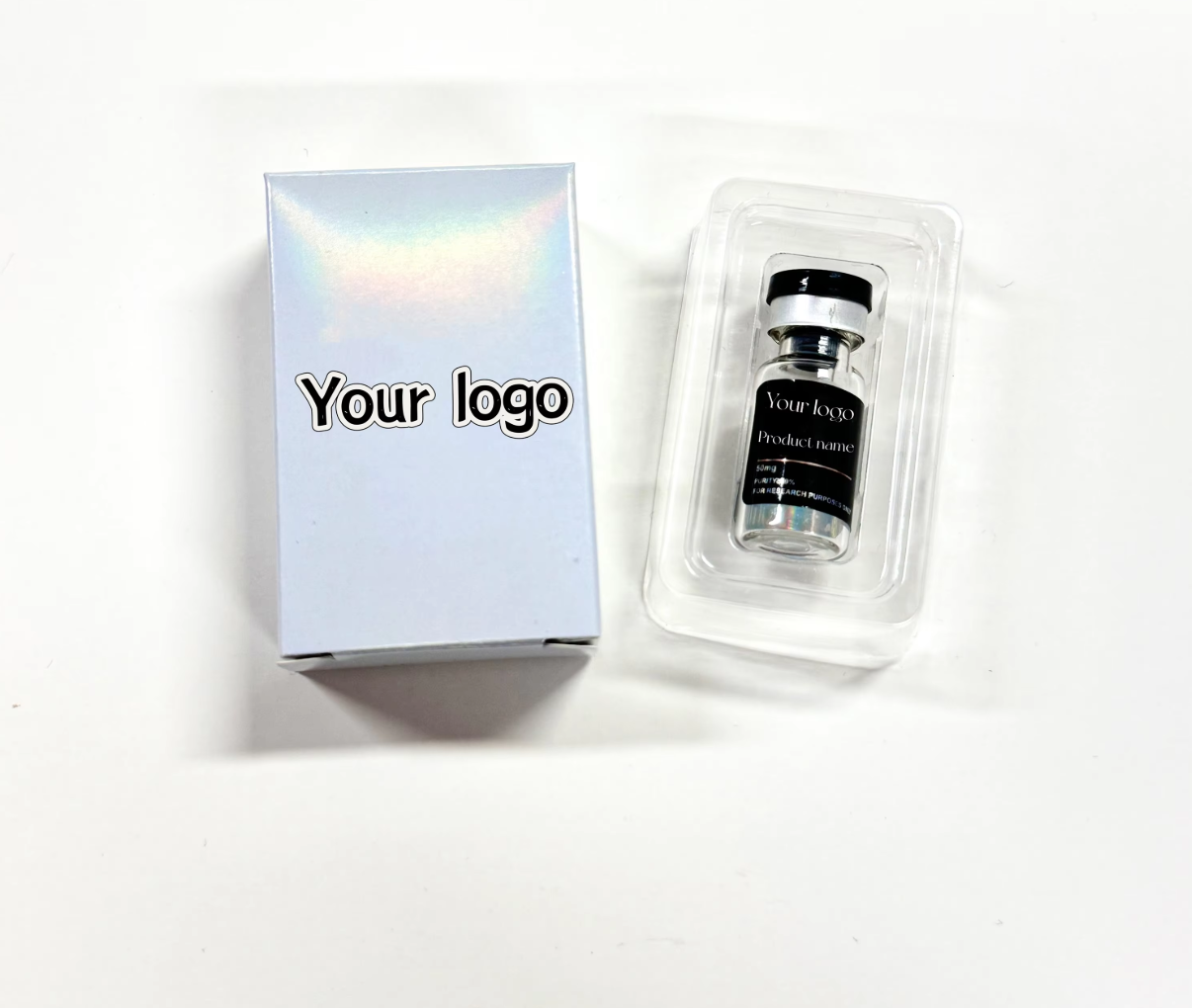
In the United States, the Food and Drug Administration (FDA) governs pharmaceutical packaging and labeling requirements. The FDA ensures that drug labels are accurate, complete, and easy to understand. Key regulations for vial labels in the US include:
Labeling content: The FDA requires that the label includes essential information such as drug identity, active ingredients, dosage instructions, side effects, and warnings.
Font size and clarity: The FDA mandates specific font sizes for certain information to ensure readability.
Tamper-evident packaging: The FDA requires tamper-evident features for over-the-counter drugs, such as seals or shrink wraps.
In addition to the basic requirements, the FDA also enforces strict rules for the packaging of controlled substances, ensuring that they are clearly labeled and stored safely.
EMA EU Standards for Pharmaceutical Packaging
In Europe, the European Medicines Agency (EMA) establishes the regulatory framework for pharmaceutical packaging. Like the FDA, the EMA focuses on the clarity, accuracy, and safety of drug labeling, but with some additional region-specific requirements:
Multilingual labeling: In the EU, drug labels must include multiple languages to accommodate the various member states. The number of languages required depends on the countries where the product will be sold.
Safety features: The EMA also requires specific safety features such as unique identifiers (UIDs) for tracking and preventing counterfeit drugs.
Serialization: Serialization is a key requirement in the EU to combat counterfeit medications. The packaging must include a unique serial number for each product unit, which can be tracked across the supply chain.
Middle East Packaging Regulations
In the Middle East, packaging regulations can vary widely depending on the country. However, common themes include:
Arabic labeling: In many Middle Eastern countries, Arabic is a mandatory language on drug labels. This requires the design and printing of labels to include Arabic text in addition to other languages.
Compliance with local health authorities: Each country has its own health authority, such as the Saudi Food and Drug Authority (SFDA) or the UAE Ministry of Health, which enforces packaging and labeling regulations.
Tamper-evident packaging: Like other regions, the Middle East often requires tamper-evident packaging to ensure that drugs have not been altered or counterfeited.
Multilingual and International Medicine Box Design
When exporting pharmaceutical products, designing multilingual labels is an essential part of the process. Multilingual labeling ensures that the product information is accessible to consumers and healthcare professionals in different regions.
Arabic Typography Considerations
One of the most significant considerations when designing for the Middle Eastern market is the use of Arabic typography. Arabic is a complex script that is read from right to left, which means that the layout of the label needs to be adapted to accommodate this.
In addition to text direction, Arabic fonts must be carefully chosen for legibility. Arabic typography can vary significantly between regions, so it’s crucial to choose fonts that are widely accepted and easily readable in the target market.
Other Multilingual Design Considerations
For markets in Europe and the US, multilingual labeling involves accommodating multiple languages. In Europe, this often means including languages such as French, German, Italian, or Spanish, depending on the target countries. In the US, bilingual labeling may be required, especially for regions with large Spanish-speaking populations.
Multilingual design requires careful planning to ensure that all text is legible and fits within the design. Designers must account for the space required for additional languages, ensuring that no critical information is omitted or difficult to read.
FAQ
What are the key FDA requirements for pharmaceutical packaging?
The FDA requires that pharmaceutical packaging includes clear labeling with essential information such as drug identity, active ingredients, dosage instructions, and side effects. It also mandates tamper-evident packaging for over-the-counter drugs and specific font size guidelines for readability.
How does the European Medicines Agency (EMA) regulate drug labeling?
The EMA mandates multilingual labeling for pharmaceuticals sold within the EU, with the number of languages depending on the market. The agency also requires serialization for tracking and preventing counterfeit drugs and other safety features such as unique identifiers.
Why is Arabic typography important in pharmaceutical packaging for the Middle East?
Arabic typography is crucial because the script is read from right to left, which affects the layout of the label. Additionally, legible fonts must be selected to ensure the information is clear and readable, as typography can vary significantly across regions in the Middle East.
What challenges arise when designing multilingual pharmaceutical labels?
Designing multilingual labels requires careful planning to ensure that all text fits within the design and remains legible. It also requires knowledge of language-specific regulatory requirements, including font sizes and the inclusion of multiple languages, which can vary depending on the region.