
 EN
EN
The pharmaceutical and cosmetic packaging industries are currently undergoing a massive structural shift. As global regulatory bodies tighten environmental standards and consumers demand greater accountability, the transition toward "Green Packaging" has moved from a niche preference to a core industrial requirement. In sectors that rely heavily on precision—such as the production of vial labels, medical paper boxes, and sterile packaging trays—sustainability must be achieved without compromising the sterile integrity or chemical stability of the product.
For manufacturers specializing in custom printing solutions, the challenge lies in balancing the rigid protective needs of glass vials and sensitive powders with the ecological necessity of recyclability. This article explores the innovative strategies used to achieve high-performance, eco-friendly packaging through sustainable materials, waste-reduction technologies, and international green certifications.
1. Recyclable and Biodegradable Materials: The New Standard
The foundation of sustainable packaging is the raw material. Traditionally, pharmaceutical packaging relied on heavy plastics and non-recyclable multi-layer laminates. Today, the focus has shifted toward high-performance paper-based solutions and biodegradable substrates that offer the same level of protection with a fraction of the environmental cost.
High-Performance Recyclable Paperboards
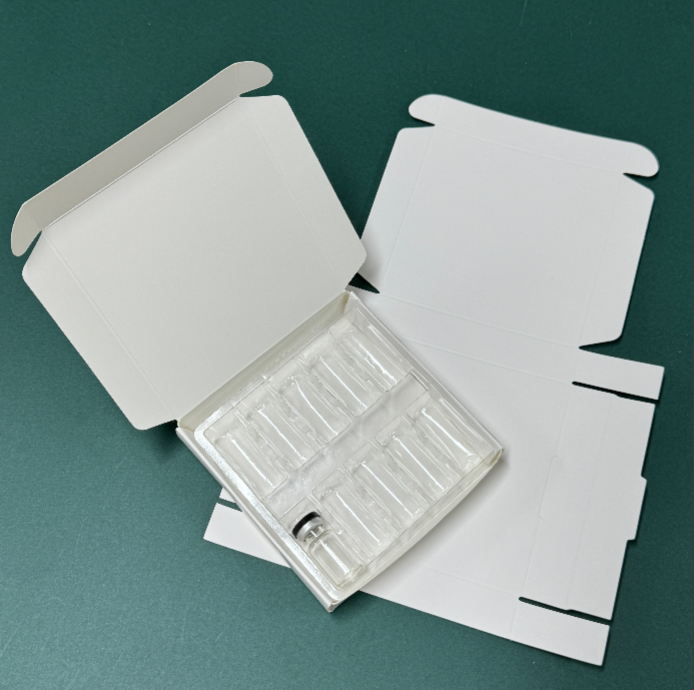
For items like 10ml vial boxes and secondary medical cartons, the industry is moving toward FSC-certified (Forest Stewardship Council) paperboard. These materials are sourced from responsibly managed forests that provide environmental, social, and economic benefits.
Strength-to-Weight Optimization: Modern sustainable paperboards are engineered to provide high structural rigidity. This allows for the use of thinner cardstock without risking the safety of the glass vials inside, effectively reducing the total volume of fiber consumed.
Coating Innovation: Traditional glossy coatings often involve plastic lamination (PP/PET), which makes the paper unrecyclable. Sustainable alternatives include water-based aqueous coatings and "dispersion" barriers that provide moisture resistance while allowing the box to be fully repulped in standard recycling streams.
Biodegradable and Compostable Label Substrates
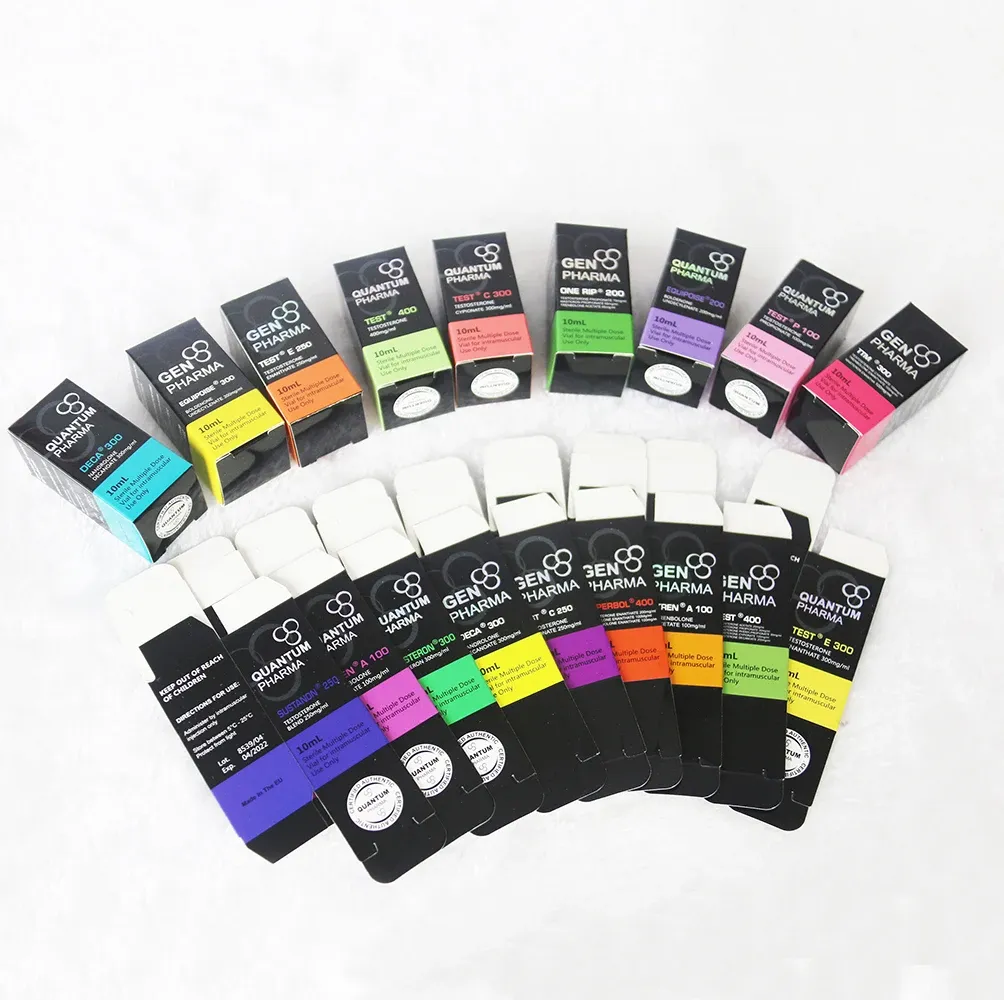
Labeling for vials and bottles presents a unique challenge because adhesives and synthetic face-stocks (like BOPP or Vinyl) can contaminate recycling batches.
PLA and Cellulosic Films: Next-generation labels utilize Polylactic Acid (PLA) or wood-pulp-based films. These materials are industrially compostable and possess the same clarity and printability as traditional plastics.
Wash-off Adhesives: To support a "circular economy," sustainable labels are now paired with high-performance wash-off adhesives. During the recycling process of glass vials, these adhesives release the label completely at specific temperatures, allowing the glass to be recycled without contamination.
Sustainable Inks and Finishes
Printing isn't just about the substrate; it’s about the chemistry applied to it. Soy-based and vegetable-based inks have largely replaced petroleum-based alternatives. These inks not only reduce Volatile Organic Compound (VOC) emissions during production but also make the de-inking process much easier during recycling, resulting in higher-quality recycled fiber.
2. Reducing Production Waste: Precision Engineering in Manufacturing
Sustainability is not merely about what you use, but how you use it. Efficiency on the factory floor translates directly into a smaller environmental footprint. For high-volume orders of vial labels and custom boxes, even a 2% reduction in waste can save tons of material annually.
Advanced Nesting and Die-Cut Optimization
The most significant source of waste in packaging production is "scrap" or "skeleton" material—the leftover bits of paper or film after a shape is cut.
Digital Layout Optimization: Utilizing sophisticated nesting software, designers can arrange the layouts of custom vial boxes on a single large sheet to minimize the space between them. By "interlocking" flap designs, manufacturers can significantly increase the number of units per sheet.
Precision Die-Cutting: High-speed, automated die-cutting machines ensure that every cut is exact. This reduces the "rejection rate" caused by misaligned cuts, ensuring that raw materials are converted into finished products with near-zero error.
Digital Proofing and Minimalist Prototyping
Physical prototyping consumes significant amounts of paper, ink, and energy for shipping.
High-Fidelity 3D Rendering: Before a single sheet of paper is fed into the press, digital proofing systems allow clients to visualize the hologram effects, embossing, and structural integrity of their packaging in a virtual environment.
Short-Run Digital Sampling: For cases where a physical sample is required, digital printing allows for the production of a single "live" sample without the need for expensive and wasteful traditional plates. This "print-on-demand" approach prevents the overproduction of samples that eventually end up in landfills.
Closed-Loop Water and Energy Systems
The manufacturing of medical packaging often requires temperature-controlled environments and cleaning cycles.
VOC Recovery: Sustainable printing facilities utilize carbon-adsorption systems to capture and recycle solvents used in the cleaning of printing plates, preventing them from entering the atmosphere.
Energy-Efficient UV Curing: Transitioning from traditional heat-drying to LED-UV curing systems drastically reduces energy consumption. LED-UV lamps trigger an instant chemical reaction to dry the ink, eliminating the need for massive, energy-hungry drying tunnels.
3. Green Certifications Overview: Building Global Trust
In the global pharmaceutical market, "green claims" must be backed by verifiable data. Certifications act as a universal language of trust, ensuring that the packaging meets the rigorous environmental standards of regions like the European Union and North America.
FSC and PEFC: Responsible Sourcing
The Forest Stewardship Council (FSC) and the Programme for the Endorsement of Forest Certification (PEFC) are the gold standards for paper products. When a vial box carries an FSC logo, it guarantees that the wood fiber was harvested in a way that protects biodiversity and supports local communities. For pharmaceutical brands, this is the most recognizable way to communicate sustainability to the end patient.
ISO 14001: Environmental Management Systems
Unlike product-specific labels, ISO 14001 is a certification for the manufacturing facility itself. It proves that the supplier has a systematic framework to manage their environmental impact, including:
Waste management protocols.
Reduction in greenhouse gas emissions.
Efficient resource consumption. Working with an ISO 14001 certified supplier ensures that the "sustainable" box wasn't produced in an "unsustainable" factory.
GRS and RoHS Compliance
For labeling and specialized packaging components (like the plastic caps on vials):
GRS (Global Recycled Standard): This tracks and verifies the content of recycled materials in the final product. It is increasingly relevant for plastic-aluminum flip-off caps and synthetic labels.
RoHS (Restriction of Hazardous Substances): While primarily an electronics standard, RoHS compliance in printing ensures that inks and coatings are free from heavy metals (like lead, mercury, and cadmium). This is critical for medical-grade packaging to ensure no hazardous leaching occurs, especially in sterile environments.
Conclusion: The Synergy of Quality and Ecology
The era where "eco-friendly" meant "lower quality" is over. Modern advancements in material science and digital manufacturing mean that a custom pharmaceutical box can be both incredibly durable and completely biodegradable.
By focusing on high-performance recyclable paperboards, optimizing manufacturing to eliminate waste, and adhering to strict international certifications, packaging suppliers are providing pharmaceutical brands with a powerful competitive advantage. Sustainable packaging is no longer just a shield for the medicine inside; it is a testament to a brand's commitment to the health of the planet and the patients it serves.
Want to learn about the future of smart, sustainable, and user-friendly packaging? Check out our latest article for the full scoop!