
 EN
EN
Understanding the Definition and Function of Medicine Boxes and Labels
Medicine packaging plays a crucial role in the pharmaceutical industry, ensuring that medications are delivered safely to consumers while also complying with regulatory requirements. The packaging not only protects the medicine but also provides essential information for both consumers and healthcare professionals. This is where medicine boxes and medicine labels come into play, each serving specific functions that are vital to the safe and effective use of the product.
The Key Functions of Medicine Boxes
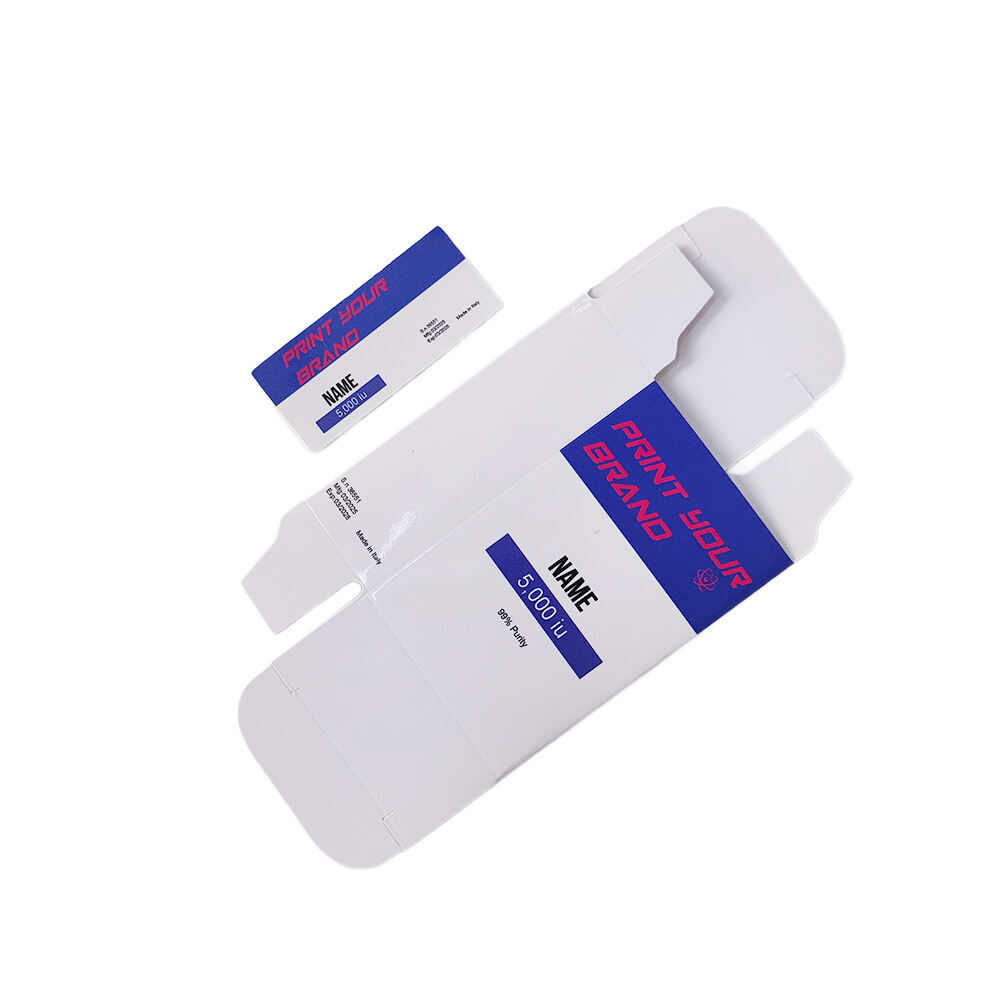
Medicine boxes are designed with multiple objectives in mind. Primarily, they serve as protective containers for medications, shielding them from physical damage and environmental factors like moisture and light, which could degrade the quality of the contents. Moreover, medicine boxes are integral to the branding of a pharmaceutical product, conveying key information about the drug, such as its dosage, expiration date, and storage instructions.
Another important function of medicine boxes is their role in legal and regulatory compliance. Pharmaceutical packaging must adhere to stringent laws that ensure the consumer's safety. For instance, the box often includes warnings, dosage instructions, and a list of possible side effects. The packaging also ensures that the medicine is tamper-proof, providing confidence to consumers regarding the safety of the product.
The Role of Medicine Labels
Medicine labels are equally essential, offering specific details about the product that are required for safe and informed usage. Labels on medicine packaging typically include the name of the medication, active ingredients, dosage form, strength, and usage instructions. For patients with allergies or special health considerations, medicine labels also provide crucial information regarding contraindications and potential drug interactions.
Beyond patient safety, the medicine label serves as a tool for healthcare professionals, assisting them in making informed decisions about prescribing medications. The information on labels helps avoid dosage errors and ensures that the medicine is used as intended. In many cases, the label also provides a barcode for inventory tracking and recalls, further enhancing the safety of pharmaceutical products.
Differences Between Medicine Boxes and Ordinary Packaging Boxes
When it comes to packaging, there are clear distinctions between medicine boxes and ordinary packaging boxes. These differences are driven by the need for safety, regulatory compliance, and functional design in pharmaceutical packaging.
Definitions and Key Distinctions
Ordinary packaging boxes are generally used for a wide range of consumer goods. These boxes are typically designed for protection and marketing purposes. They may feature decorative elements, company logos, and branding but are not always subject to strict regulatory guidelines. On the other hand, medicine boxes must meet a set of regulatory standards that guarantee the safety of the product. These standards dictate the materials used, the inclusion of specific information, and even the shape and design of the box to minimize tampering risks.
Regulatory Requirements for Medicine Boxes
One of the key differences between medicine boxes and ordinary packaging is the level of regulation involved. Medicine boxes must comply with pharmaceutical regulations set by drug regulatory authorities, such as the FDA in the United States or EMA in Europe. These regulations ensure that packaging protects the integrity of the drug and provides essential information that aids in patient safety. Ordinary packaging, while adhering to general product safety standards, does not face the same level of scrutiny or detailed guidelines.
Pharmaceutical regulations stipulate that medicine boxes include specific labeling information, such as the drug’s expiration date, dosage instructions, and warning labels. Failure to comply with these regulations could result in penalties, recalls, or even product withdrawal.
Materials Used in Medicine Boxes and Ordinary Packaging
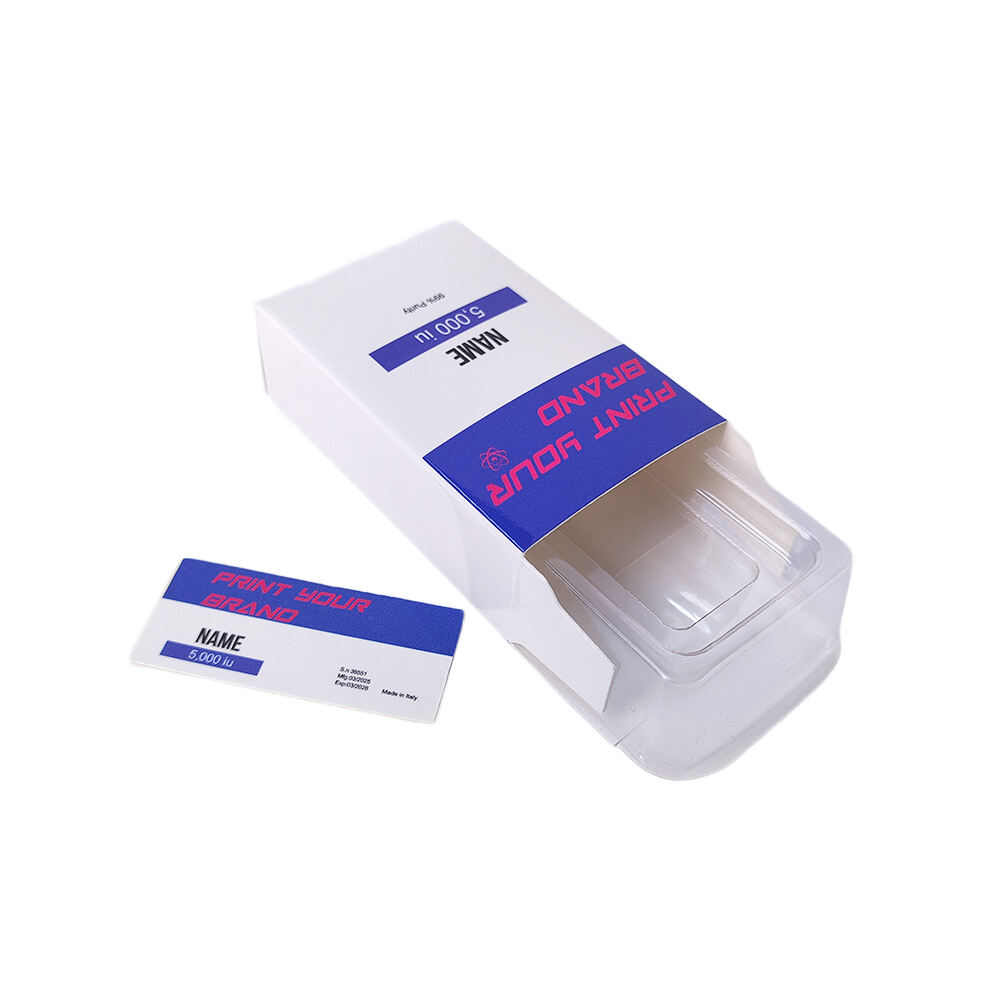
The materials used in medicine boxes also differ significantly from those used in regular packaging. Medicine boxes are typically made from materials that provide better protection against light, moisture, and air, such as specific grades of cardboard or plastic. These materials are chosen to preserve the efficacy of the drug, prevent contamination, and enhance the shelf life of the product.
Ordinary packaging, on the other hand, may use materials that are less protective, as the primary concern is usually aesthetics and ease of use rather than the protection of sensitive substances. While some high-end products may still use durable materials, most consumer goods packaging focuses on convenience, presentation, and cost-efficiency.
Key Points of Review by the Drug Regulatory Authority
The review of medicine packaging is an essential part of the regulatory process. Drug regulatory authorities are responsible for ensuring that the packaging complies with established standards to safeguard public health. The review process involves checking the packaging’s adherence to guidelines set forth by the government or other regulatory bodies.
Compliance with Labeling and Packaging Regulations
A major aspect of the review by regulatory authorities is the accuracy and clarity of the labeling. The label must include essential information, such as the drug’s active ingredients, dosage, storage instructions, and safety warnings. Regulatory bodies often assess whether this information is legible and easily understandable for consumers and healthcare providers alike. Any failure to comply with these requirements can result in delays in product approval or a forced recall after the product reaches the market.
Ensuring Packaging Safety and Security
Another key focus during the review process is the safety and security of the medicine box. Regulatory authorities examine whether the packaging design ensures the integrity of the drug, preventing tampering, leakage, or contamination. In many countries, tamper-evident seals are a legal requirement, signaling whether a product has been interfered with before reaching the consumer. Packaging that meets these standards helps to build trust in the pharmaceutical industry and ensures that patients receive only safe, unaltered medications.
Impact of Material Quality on Regulatory Approval
The choice of materials used for medicine boxes is also scrutinized during the approval process. Regulatory bodies ensure that the materials are safe for both the drug and the consumer. Certain materials, like those used in blister packs or sachets, must be evaluated for their compatibility with the drug. Any material that could cause degradation of the active ingredients, or that could leach harmful substances, must be avoided. This is a critical aspect of the approval process, as it directly impacts the safety and efficacy of the medication.
FAQ
What is the primary difference between medicine boxes and ordinary packaging boxes?
Medicine boxes are specifically designed to meet strict regulatory standards that ensure the safety and effectiveness of the drug. They often include tamper-evident features, clear labeling, and materials that preserve the integrity of the medicine. In contrast, ordinary packaging boxes focus more on general protection and aesthetics without adhering to the same level of regulation.
Why are medicine labels so important?
Medicine labels provide essential information about the drug, such as dosage, active ingredients, and potential side effects. They are crucial for ensuring the safe use of the medication and for assisting healthcare providers in prescribing the correct treatment. Labels also help prevent misuse, dosage errors, and adverse drug reactions.
How does regulatory review of medicine packaging work?
Regulatory authorities review medicine packaging to ensure it complies with safety and labeling standards. This includes verifying the accuracy of the information on the label, the security of the packaging, and the quality of the materials used. If any issues are found, regulatory bodies may delay approval or require changes to the packaging.
What materials are used in medicine boxes to ensure safety?
Medicine boxes are often made from materials that protect against light, moisture, and air, such as specific grades of cardboard or plastic. These materials are chosen to preserve the drug’s effectiveness and prevent contamination or degradation. The packaging must also be tamper-evident to ensure the safety of the consumer.