
 EN
EN

Medicine Box Prototyping: A Comprehensive Guide to the Process and Key Considerations
Creating a medicine box prototype involves careful planning, technical design, and understanding of various manufacturing processes. This essential stage in the development of pharmaceutical packaging ensures that the final product meets both regulatory and functional requirements. Whether you are designing packaging for a new medication or updating an existing product, the prototyping process is critical to ensure the end result is both practical and compliant.
AI/CDR Design Requirements
The design phase of a medicine box prototype involves using advanced tools like AI (Adobe Illustrator) or CDR (CorelDRAW) software to create a digital representation of the box. These tools allow designers to incorporate intricate details such as artwork, logos, and specific regulatory markings required on pharmaceutical packaging. Using these software programs ensures high accuracy and a flexible design process, which is essential for creating the perfect prototype.
AI and CDR design programs offer a range of functionalities, such as vector graphics, color separation, and detailed layering, making it easier to create a design that fits the specific needs of pharmaceutical packaging. By using these tools, designers can easily modify designs and incorporate feedback from clients or regulatory bodies.
In addition, it's important to adhere to specific design guidelines during this stage. For instance, the text must be legible, and the layout should allow for easy navigation of essential information like dosage instructions and warnings. These elements will be critical when the medicine box prototype progresses to the production phase.
Die-Cutting Drawing Creation
Die-cutting is a key process in creating the physical prototype. The die-cutting drawing ensures that the design is precisely transferred onto the packaging material, such as cardboard or plastic. The die-cutting drawing represents the box's shape and the locations of creases, folds, and cuts that will define the structure of the final product.
At this stage, the design needs to be translated into a die that can be used to cut the packaging material accurately. The design must be optimized to minimize waste and maximize efficiency. This stage may involve prototyping the die itself, especially for complex or intricate packaging designs. The creation of the die-cutting drawing can sometimes reveal potential structural issues that were not apparent during the digital design process, so it's essential to carefully review it before proceeding.
The key to successful die-cutting is precision. A poorly created die-cutting drawing can result in errors in the box structure, leading to the need for reworking, which can delay the prototyping process and increase costs.
Prototyping Costs and Timeline
Creating a medicine box prototype involves significant costs and time investment, especially when high-quality materials and intricate designs are involved. The prototyping cost will depend on factors such as the type of material chosen, the complexity of the design, and the number of revisions required during the process.
The timeline for medicine box prototyping can vary, but it generally takes several weeks from initial design to the final prototype. Factors that may influence the timeline include the availability of materials, the complexity of the design, and the testing phase. Delays in any part of the process can extend the overall timeline, especially if multiple iterations of the prototype are needed.
It's important to allocate enough time to make adjustments, as the first prototype is rarely perfect. Many designers will create several iterations to fine-tune the box's appearance and functionality. During the prototyping phase, clients often request changes to improve visual appeal or packaging durability, adding more time to the process.
Common Mistakes and How to Avoid Them
The prototyping process can be fraught with challenges. By understanding the common mistakes that occur, you can better prepare for the process and minimize errors.
Lack of Clear Design Requirements
One of the most common mistakes in the medicine box prototyping process is the failure to establish clear design requirements. A lack of clarity about the intended use, regulatory compliance, and branding requirements can result in a design that doesn't meet expectations. To avoid this mistake, make sure all stakeholders are aligned on the design objectives before moving forward. Involve marketing, compliance teams, and designers in the planning stage to ensure the final product meets everyone’s expectations.
Miscommunication with the Manufacturer
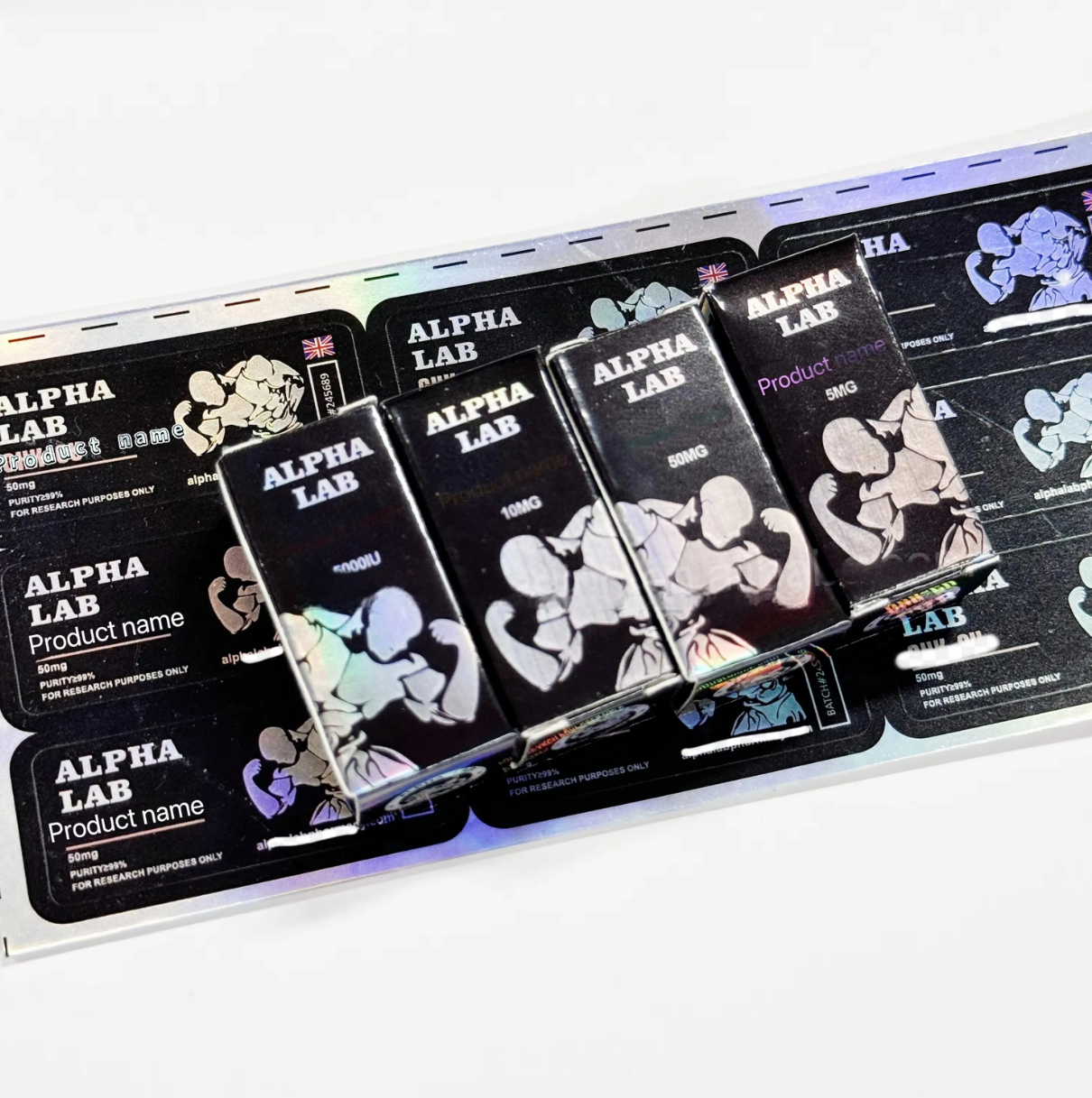
Another issue arises from miscommunication between the designer and the manufacturer. Prototypes are often created with certain assumptions about the material, printing processes, and finishing techniques. Without proper communication, these assumptions may not align with the manufacturer’s capabilities. It's important to have a detailed conversation about material options, printing methods, and other technical aspects before starting the prototype process to avoid surprises later on.
Overlooking Regulatory Compliance
For pharmaceutical packaging, regulatory compliance is critical. Medicine boxes must adhere to specific guidelines regarding labeling, material usage, and even the box's physical dimensions. Overlooking these requirements can result in prototypes that do not meet regulatory standards. This mistake can be costly, both in terms of time and money, as the prototype would need to be reworked to meet the necessary guidelines. Be sure to consult regulatory guidelines throughout the design and prototyping phases to ensure that all requirements are met.
Budgeting Errors
Prototyping costs can add up quickly, and many companies underestimate the financial investment required for high-quality prototypes. A well-done prototype ensures that there are no issues when the product is mass-produced, but the cost of multiple revisions and high-end materials can escalate quickly. Accurate budgeting should account for the costs of materials, labor, and testing, as well as any potential unforeseen expenses.
FAQ
What materials are best for medicine box prototypes?
When selecting materials for your medicine box prototype, cardboard, and paperboard are commonly used due to their flexibility and ease of use. They are both cost-effective and durable enough to support regulatory labeling requirements. Higher-end materials, such as gold or silver cardboard, can be considered for premium product packaging.
How long does it take to create a medicine box prototype?
Typically, the process can take several weeks. However, the timeline can vary depending on the complexity of the design, availability of materials, and the need for revisions. Ensure that your timeline allows for sufficient time for adjustments.
How can I ensure my medicine box prototype meets regulatory standards?
To ensure compliance with regulations, work closely with industry experts and adhere to regulatory guidelines throughout the design and prototyping phases. Consult with legal or compliance teams to ensure all packaging elements, such as labeling and dimensions, meet the requirements set by governing bodies.