
 EN
EN

The Evolution of Modern Pharmaceutical Labeling Solutions
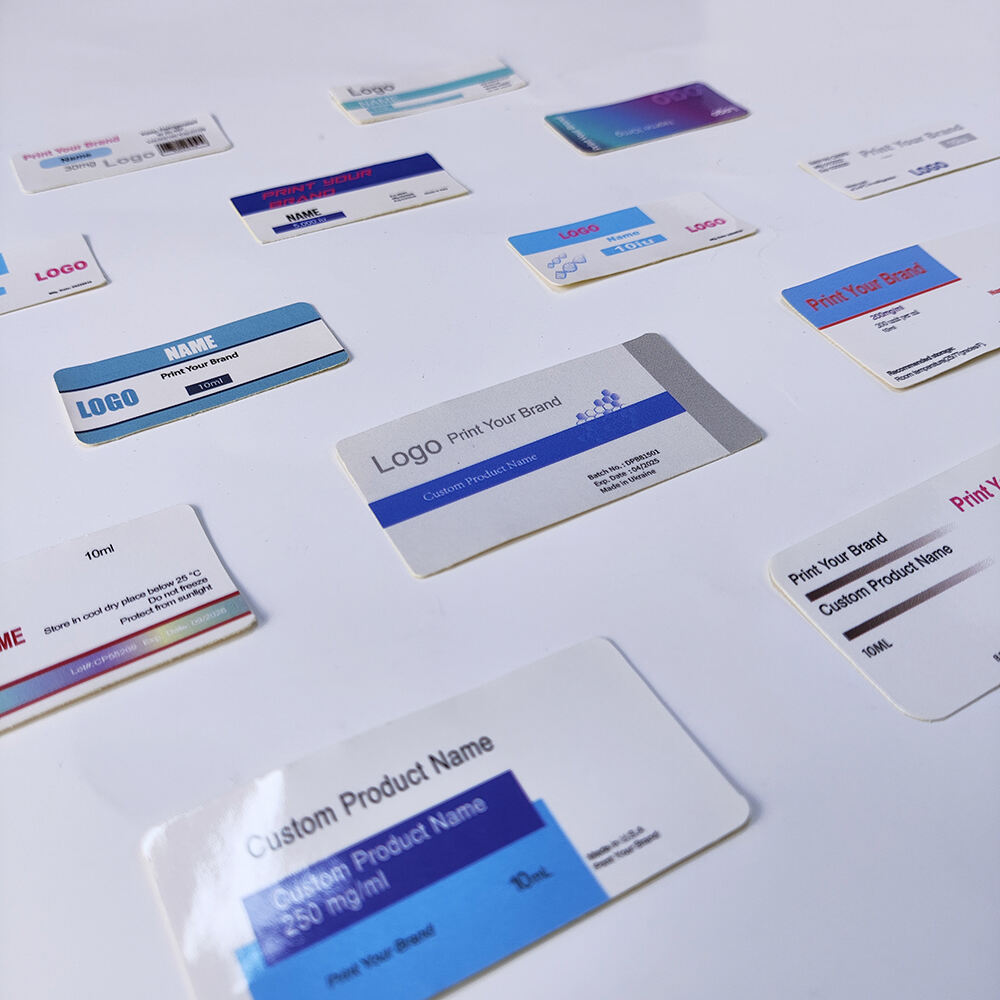
In today's complex pharmaceutical landscape, the critical role of pharmaceutical label quality cannot be overstated. Advanced printing technologies have revolutionized how medications are labeled, ensuring patient safety, regulatory compliance, and brand integrity. These sophisticated systems represent a quantum leap from traditional labeling methods, offering unprecedented precision, durability, and information clarity that the pharmaceutical industry demands.
Modern pharmaceutical labeling has transformed from simple text-based identifiers to comprehensive information systems that incorporate multiple security features, tracking capabilities, and vital patient information. This evolution reflects both technological advancement and increasing regulatory requirements in the pharmaceutical sector, where even minor labeling errors can have serious consequences.
Core Components of Advanced Pharmaceutical Label Production
Digital Printing Technologies
Digital printing has emerged as a cornerstone of pharmaceutical label quality, offering superior resolution and consistency compared to traditional methods. These systems utilize advanced color management and precise droplet placement to ensure every label meets exact specifications. The technology enables rapid adjustments for different batch sizes and immediate changes to accommodate updated regulatory requirements.
Variable data printing, a key feature of digital systems, allows for unique identifiers and serialization codes to be printed seamlessly within the same production run. This capability is essential for track-and-trace requirements and anti-counterfeiting measures, contributing significantly to overall pharmaceutical label quality and security.
Substrate Innovation and Material Science
Advanced material science has produced specialized label substrates that enhance pharmaceutical label quality through improved durability and environmental resistance. These materials are engineered to withstand various storage conditions, maintaining legibility and adhesion throughout the product's lifecycle. Innovations in coating technologies provide superior protection against moisture, UV exposure, and temperature fluctuations.
Smart labels incorporating RFID technology and temperature-sensitive inks represent the cutting edge of substrate development. These advanced materials enable real-time monitoring of storage conditions and product authenticity, adding new dimensions to pharmaceutical label quality control.
Quality Control Systems in Modern Label Production
Automated Inspection Systems
State-of-the-art vision systems perform real-time inspection of pharmaceutical labels during production, ensuring consistent pharmaceutical label quality across entire batches. These systems can detect microscopic defects, verify text accuracy, and confirm barcode readability at production speeds. Advanced algorithms analyze multiple quality parameters simultaneously, reducing the risk of defective labels reaching the market.
Machine learning capabilities enhance these inspection systems over time, improving their ability to identify potential issues before they become problems. This predictive approach to quality control has significantly reduced error rates and improved overall production efficiency.
Color Management and Verification
Sophisticated color management systems ensure consistent pharmaceutical label quality through precise color matching and verification. Spectrophotometric technology monitors color accuracy in real-time, maintaining brand consistency and regulatory compliance. These systems can detect subtle color variations that might affect barcode scanning or important safety information visibility.
Advanced color verification tools integrate with production workflows to automatically adjust printing parameters, maintaining optimal color consistency throughout extended production runs. This level of control is especially crucial for pharmaceutical labels where color-coding often serves as a critical safety feature.
Regulatory Compliance and Security Features
Serialization and Track-and-Trace Implementation
Modern printing systems incorporate sophisticated serialization capabilities to enhance pharmaceutical label quality and security. These systems generate and verify unique identifiers for each package, enabling complete supply chain visibility. The integration of multiple security layers, including microscopic printing and encrypted codes, provides robust protection against counterfeiting.
Advanced track-and-trace features allow pharmaceutical companies to monitor their products throughout the distribution network, ensuring authenticity and enabling rapid response to any quality issues. This comprehensive approach to product security has become an integral aspect of pharmaceutical label quality management.
Compliance Verification Systems
Automated compliance checking systems ensure that pharmaceutical label quality meets all regulatory requirements across different markets. These systems verify that all mandatory information is present, legible, and correctly positioned on each label. Real-time updates to regulatory requirements can be quickly implemented across production systems, maintaining continuous compliance.
Advanced validation protocols confirm that all security features and tracking elements are properly implemented and functioning as intended. This systematic approach to compliance verification has significantly reduced the risk of regulatory issues and recalls related to labeling.
Future Trends in Pharmaceutical Label Production
Smart Label Integration
The future of pharmaceutical label quality lies in smart label technologies that combine traditional printing with electronic components. These advanced labels can monitor storage conditions, track handling, and provide real-time authentication. The integration of near-field communication (NFC) and electronic paper display technologies promises to revolutionize how patients interact with medication information.
Emerging developments in printed electronics and battery-free smart labels are opening new possibilities for enhanced pharmaceutical label quality and functionality. These innovations will enable more sophisticated tracking and authentication systems while maintaining cost-effectiveness.
Sustainable Production Methods
Environmental considerations are driving innovations in sustainable pharmaceutical label quality solutions. New eco-friendly materials and printing processes reduce environmental impact while maintaining high-quality standards. Water-based inks and biodegradable substrates are becoming increasingly prevalent, meeting both regulatory requirements and environmental responsibilities.
Advanced recycling-compatible adhesives and materials are being developed to improve the environmental profile of pharmaceutical packaging while ensuring label integrity throughout the product lifecycle. These sustainable innovations represent the next frontier in pharmaceutical label quality enhancement.
Frequently Asked Questions
What makes pharmaceutical label quality different from regular label quality?
Pharmaceutical label quality encompasses additional regulatory requirements, security features, and durability standards not typically needed in general labeling. These labels must maintain perfect legibility throughout the product's shelf life, incorporate multiple security features, and comply with strict regulatory guidelines for information presentation and verification.
How do advanced printing technologies prevent counterfeiting?
Advanced printing technologies incorporate multiple security features such as microprinting, holographic elements, and unique serialization codes. These features, combined with track-and-trace capabilities, create a robust system that makes counterfeiting extremely difficult and enables quick authentication of genuine products.
What role does automation play in maintaining pharmaceutical label quality?
Automation ensures consistent pharmaceutical label quality through real-time inspection systems, automated color management, and integrated compliance verification. These systems reduce human error, maintain consistent production standards, and provide comprehensive documentation of quality control measures throughout the production process.