
 EN
EN
What to Look for in a Peptide Box Manufacturer
The rapid growth of the peptide therapeutics market has placed a spotlight on specialized packaging. Peptides are notoriously sensitive molecules, often requiring strict temperature control and protection from light and physical vibration. Consequently, finding a high-quality Peptide Box Manufacturer is a critical step for biotech and pharmaceutical companies looking to maintain product efficacy from the lab to the patient.
While many generic packaging companies exist, a dedicated Peptide Box Manufacturer understands the unique interplay between structural design and biochemical stability. This guide explores the essential qualities of a top-tier supplier and how they differ from standard Vial Box Suppliers.
Technical Expertise in Cold Chain Compatibility
Unlike standard retail packaging, peptide boxes must survive the rigors of the cold chain. Most peptides are stored at 2°C to 8°C, while some require deep-freeze conditions at -20°C or even -80°C.
A professional Peptide Box Manufacturer utilizes moisture-resistant coatings and specialized adhesives that do not lose their integrity in high-humidity or sub-zero environments. If the glue fails or the paperboard delaminates due to condensation, the vials inside are at risk of breakage or losing their orientation, which can interfere with automated scanning and inventory management.
Precision Engineering for Vial Protection
The primary role of a peptide box is to serve as a protective housing for fragile glass vials. When evaluating Vial Box Suppliers, you must assess their ability to create precision-cut internal dividers.
For peptides, these dividers serve two purposes:
Impact Absorption: Preventing vial-to-vial contact during transit.
Light Shielding: Peptides are often light-sensitive; the box must offer a "dark-box" environment that prevents UV degradation.
The fit must be exact. If the cell is too large, the vial will rattle; if it is too small, the glass may stress or the label may be scratched during insertion. A reputable Peptide Box Manufacturer will often request a sample vial or a technical drawing of your container to ensure a micron-perfect fit.
Comparing Manufacturers: Key Features Table
To assist in your procurement process, the following table compares the offerings of a standard packaging firm versus a specialized pharmaceutical packaging partner.
| Feature | General Packaging Supplier | Specialized Peptide Box Manufacturer |
| Material Choice | Standard Folding Boxboard | SBS, Polypropylene, or Cryo-grade Board |
| Coating Options | Aqueous or UV Gloss | Anti-condensation and Alcohol-resistant coatings |
| Internal Dividers | Generic corrugated inserts | Custom die-cut "snug-fit" partitions |
| Compliance | ISO 9001 | ISO 15378 (Primary Packaging Standards) |
| Prototyping | Digital mockups | Physical structural samples with vial testing |
Regulatory Compliance and Quality Control
In the pharmaceutical world, the package is considered part of the product. Therefore, your Peptide Box Manufacturer must adhere to stringent quality management systems. This includes "Line Clearance" procedures to ensure that packaging for different products or batches never gets mixed up.
Furthermore, top-tier Vial Box Suppliers provide full traceability. Every shipment should come with a Certificate of Conformance (CoC) or Certificate of Analysis (CoA), documenting that the materials used meet the agreed-upon specifications and are free from contaminants that could leach into the primary packaging.
Customization for Branding and Patient Safety
While safety is paramount, the box is also a tool for communication. A high-quality manufacturer will offer advanced printing techniques to include:
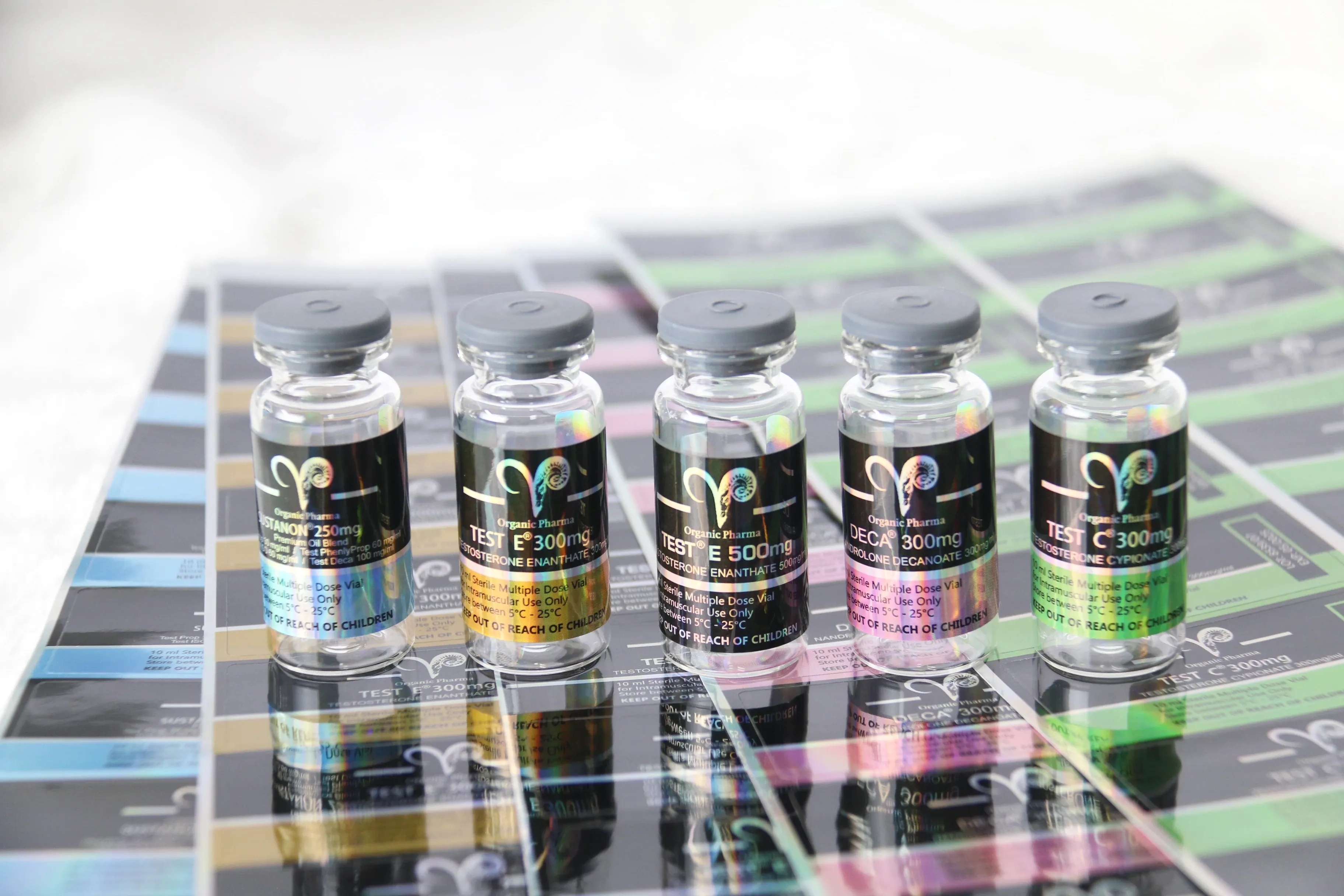
Tamper-Evident Features: Fiber-tear seals or holographic labels to prevent counterfeiting.
Variable Data Printing: QR codes or serialization numbers for track-and-trace compliance.
Patient Instructions: Clear, high-contrast printing for dosage instructions and storage warnings.
Strategic branding on a peptide box conveys professionalism and builds trust with clinicians and patients alike, making the choice of manufacturer a marketing decision as much as a logistical one.
FAQ: Sourcing Peptide and Vial Boxes
How do I know if a box is suitable for -80°C storage?
You should ask your manufacturer for "Cryogenic Grade" materials. These are typically made from plastic (like polycarbonate) or specially treated paperboard that has been tested for brittleness at extreme temperatures.
Can I get custom-sized boxes for non-standard vial dimensions?
Yes. A specialized manufacturer will create a custom die-line based on your vial’s diameter and height. This ensures that the headspace in the box is minimized, which is more efficient for shipping and storage.
What is the difference between primary and secondary packaging?
The vial itself is the primary packaging because it touches the peptide. The box is secondary packaging. Even though it doesn't touch the drug, the secondary packaging must be manufactured in a clean, controlled environment to prevent external contamination.
How do Vial Box Suppliers handle bulk shipping?
Most boxes are shipped "flat-packed" to save space and reduce shipping costs. They are designed to be easily "popped" into shape either manually or by an automated cartoning machine at the fill-finish facility.
What is the typical lead time for custom peptide boxes?
Depending on the complexity of the design and the material availability, lead times generally range from 3 to 6 weeks. Always factor in time for structural prototyping and artwork approval.
Get a complete overview of peptide and vial packaging—from labels and boxes to custom solutions—in our comprehensive buyer’s guide.
Table of Contents
- What to Look for in a Peptide Box Manufacturer
- Technical Expertise in Cold Chain Compatibility
- Precision Engineering for Vial Protection
- Comparing Manufacturers: Key Features Table
- Regulatory Compliance and Quality Control
- Customization for Branding and Patient Safety
- FAQ: Sourcing Peptide and Vial Boxes